
Last updated November 25, 2026
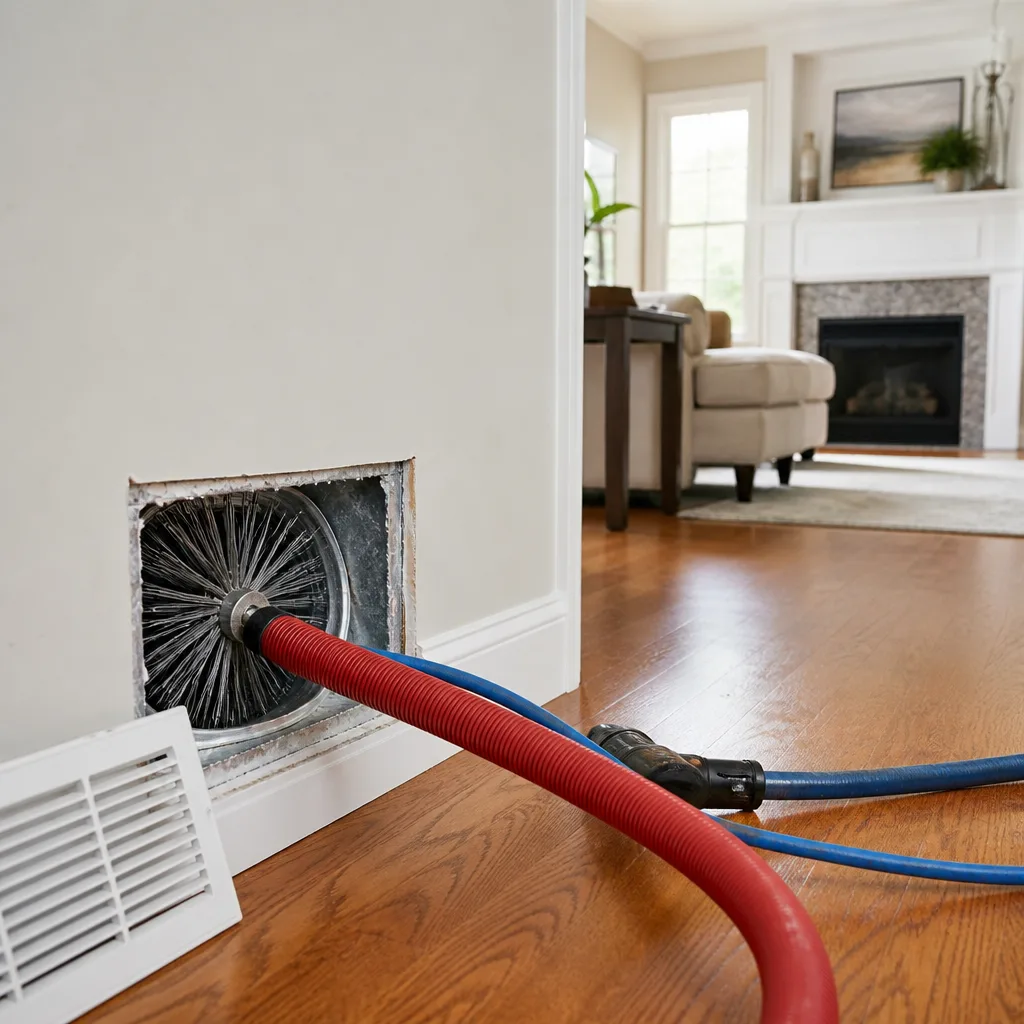 Whole-home duct cleaning
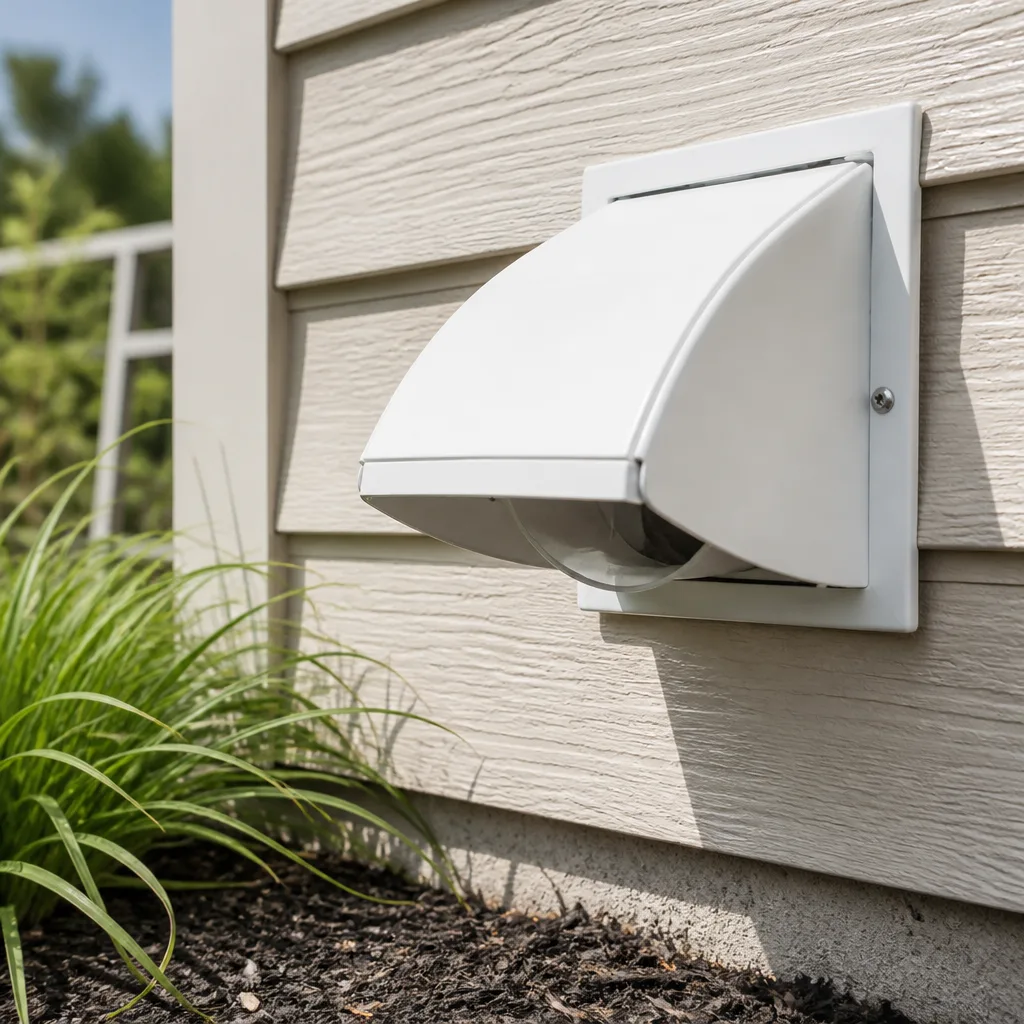 Dryer vent cleaning
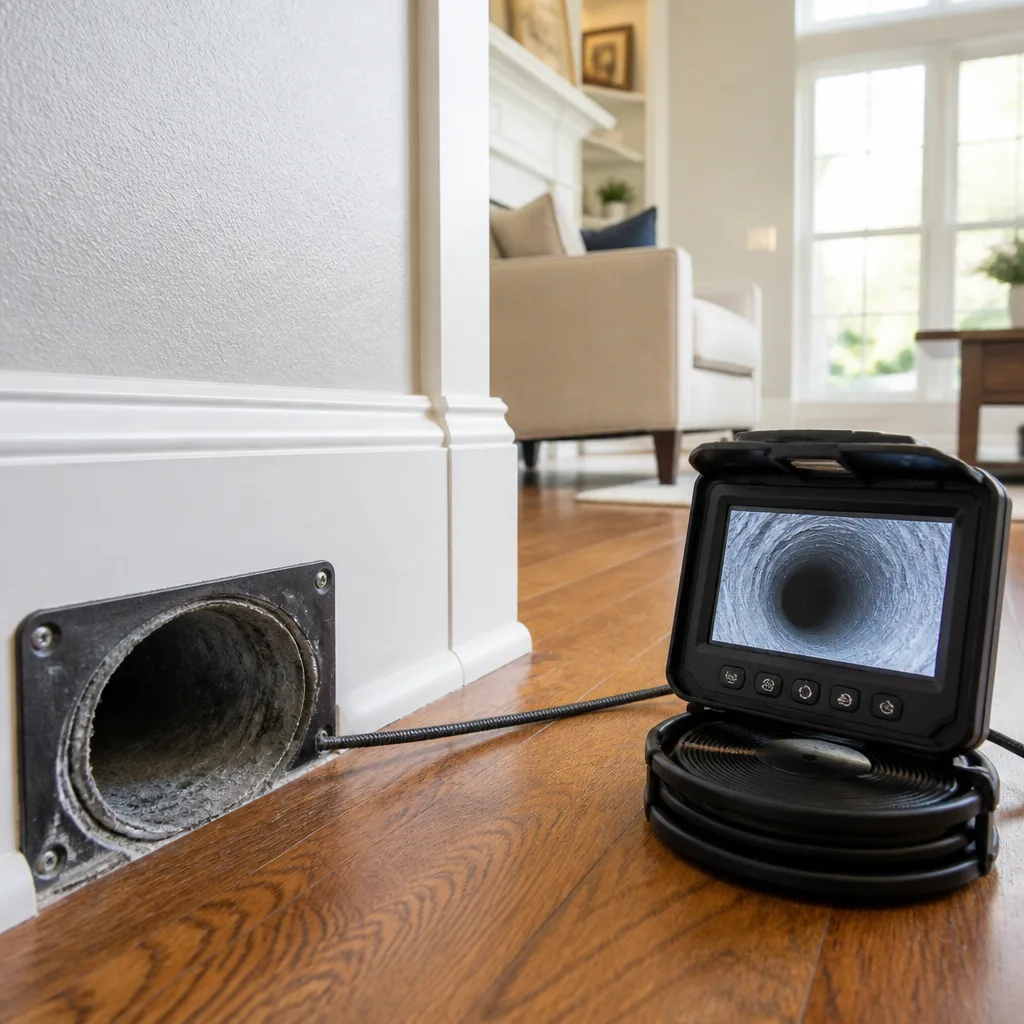 Camera inspection
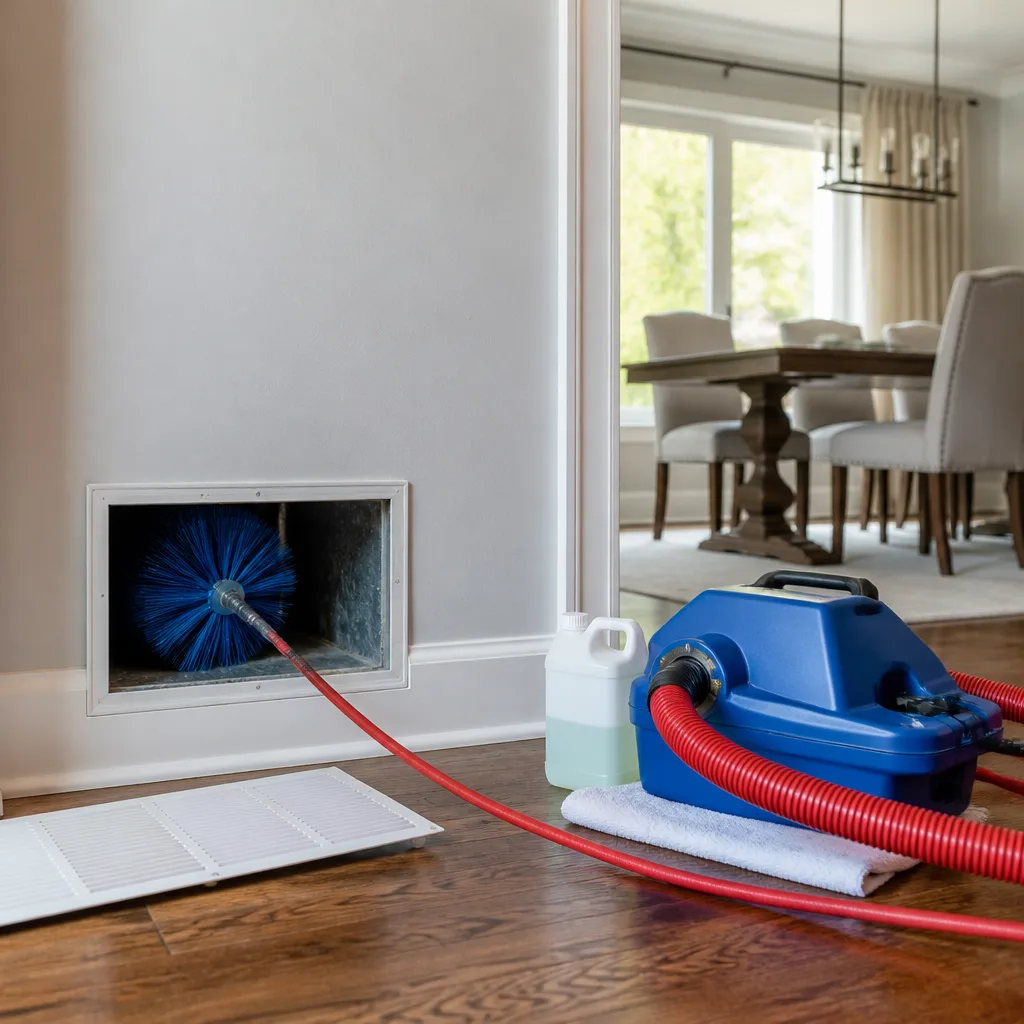 Sanitizing & deodorizing
Whole-system duct and dryer vent check with before-and-after photos - you see exactly what came out of your vents
That "$99 whole-house special" is a bait ad - the real number appears once they are in your hallway, or the "clean" is a shop-vac at the register. We photograph the inside of your ducts before and after instead.
Choosing the Right Air Duct Cleaning Brand: A Buyer’s Guide for Throggs Neck
When a contractor says they use “professional equipment,” that phrase covers everything from a $200 shop vac to a $40,000 truck-mounted negative-air machine. The gap in cleaning effectiveness between those two is not small. Most homeowners in Throggs Neck shop for duct cleaning on price and reviews, then discover after the fact that the tools brought into their home determined whether the job did anything at all. This guide decodes the equipment side of the industry, explains which brand names signal contractor-tier capability, and gives you the exact questions to ask before you book. By the end, you’ll be able to vet a duct cleaning company on substance instead of a coupon.
Quick Answer
The right air duct cleaning brand in Throggs Neck is the one that brings contractor-grade equipment: a negative-air machine capable of pulling true vacuum on your duct runs, a rotary brush or agitation system to loosen what’s stuck to the walls, and containment gear for jobs that involve mold or heavy debris. Brand names like Rotobrush, Nikro, and Abatement Technologies are shorthand for that tier. Ask what machine they’ll use, what its airflow rating is, and how they’ll keep dust from blowing back into your rooms. A confident contractor answers in specifics; a weak one deflects.
Styles & brands we work with
- Whole-home duct cleaning
- Dryer vent cleaning
- Camera inspection
- Sanitizing & deodorizing
Table of Contents
- The Two Equipment Categories Every Homeowner Should Understand
- Decoding the Brand Names: What Contractor-Tier Equipment Actually Means
- Why Truck-Mount Power Matters in Throggs Neck’s Older Housing
- How to Verify Equipment Claims During the Quote Process
- Service Scope as a Differentiator: What a Real IAQ Specialist Offers
- What’s Actually in Your Ducts (and Why It Matters Here)
- Red Flags in a Duct Cleaning Quote
- Questions to Ask Before You Book
The Two Equipment Categories Every Homeowner Should Understand
Duct cleaning works through a simple mechanical principle: you loosen what’s clinging to the duct walls, then you pull it out under negative pressure so it never enters your living space. That requires two pieces of equipment working together, and understanding the pair is the fastest way to tell a serious contractor from a superficial one.
The first category is the negative-air machine. This is a high-volume vacuum, often truck-mounted, connected to your duct system through a hose. It creates suction through the whole run, so when debris is disturbed downstream, it gets captured and pulled out instead of drifting into rooms. The second category is the agitation system: rotary brushes on a flexible whip, air whips, or compressed-air tools that physically break the bond between debris and duct wall. Without agitation, the vacuum only pulls what’s already loose. Without negative pressure, the agitation just fills your home with dust.
Here’s what that means in practice:
- Vacuum only, no agitation – the surface layer comes off, but caked dust and lint stay put. Common with a shop vac and a hose.
- Agitation only, no negative pressure – debris gets airborne and settles back into the house. This is why some homeowners report more dust after a cheap cleaning.
- Both, properly sized – debris is loosened and immediately captured. This is what a professional-grade setup delivers.
In our experience across Throggs Neck homes, older galvanized ductwork with years of settled dust and finer flex runs off a converted heating system respond to different tools, so a contractor who only owns one agitation method is limited. A full-system approach uses rotary brushes for the rigid sections and softer tools for flex, all under continuous vacuum.
Decoding the Brand Names: What Contractor-Tier Equipment Actually Means
Equipment brands aren’t a marketing flourish; they tell you which tier of the industry a contractor operates in. A few names come up repeatedly in genuine duct cleaning operations, and knowing them lets you read a quote the way a mechanic reads a parts list.
Rotobrush is one of the most widely recognized names in residential duct cleaning. Their systems pair a rotary brush head with a powerful vacuum, designed for enclosed systems and tight access points. When a contractor says they run Rotobrush, you’re hearing they invested in a purpose-built duct cleaning machine rather than adapting general-purpose equipment.
Nikro covers a similar tier, with vacuum and filtration equipment built for restoration and cleaning work. Nikro units are common in real contractor operations because they’re built to keep running under sustained use, not for a single weekend job.
Abatement Technologies is worth recognizing for a different reason: their equipment is built for containment and remediation environments. When a contractor brings Abatement gear, it signals they can handle jobs where contamination control matters, including mold-adjacent work and heavy allergen situations. That’s a capability beyond routine cleaning.
Higher-end homes and light-commercial spaces often run Honeywell or Aprilaire indoor air quality systems. A contractor who’s familiar with these knows how to clean and work around them without disturbing the setup.
The takeaway isn’t to memorize a brand list. It’s that contractor-tier brands share a signature: they’re built for enclosed systems, sustained use, and controlled capture. A hardware-store shop vac shares none of those traits. If you want to understand how these tools apply to your specific system, our air duct cleaning service page covers the process step by step.
Why Truck-Mount Power Matters in Throggs Neck’s Older Housing
Airflow is the variable most homeowners never think about, and it’s the one that decides whether negative pressure actually works in your home. A vacuum has to move enough air (measured in cubic feet per minute, or CFM) to create a pressure differential across your entire duct run. Long runs, multiple bends, and older duct systems built for heating conversions all reduce the suction delivered to the far end.
Throggs Neck’s housing stock makes this a live issue. Many homes here are multi-story, with ductwork that runs up through several floors, turns through elbows, and steps down in size as it branches. A small portable unit may create decent suction near the connection point but lose most of it by the time it reaches a third-floor register. Truck-mounted negative-air systems, with much higher CFM ratings, maintain that pressure differential across the whole run.
Here’s how to think about it:
- Ask what CFM the machine delivers, and whether it’s truck-mounted or portable.
- Ask how many access points they’ll cut or use, and whether they’ll seal unused registers to concentrate suction.
- Ask how they’ll handle multi-story runs differently from single-floor ones.
- Ask whether they use HEPA filtration on the exhaust so the air pulled out is filtered before it re-enters your home.
A contractor who can’t answer these in specifics is either working with underpowered equipment or doesn’t understand the physics. Either way, you’ve learned something before they arrive.
How to Verify Equipment Claims During the Quote Process
Almost every duct cleaning company claims professional equipment. Verifying it takes about five minutes and separates the real operators from the rest. The key is to ask questions that require a specific answer, not a general assurance.
Start with the machine itself. Ask for the brand and model. Rotobrush, Nikro, or an Abatement Technologies negative-air unit are all credible answers. A vague “we use professional-grade equipment” is not. If they name a brand, you can look it up and confirm its specs.
Next, ask about containment. A real contractor will seal registers and use negative pressure to keep the workspace clean. Ask what they use for filtration on the exhaust side. HEPA filtration is the standard for anything beyond light dust, and it’s essential for mold-adjacent or allergen-heavy jobs.
Then ask about agitation. Which tools do they use for rigid metal duct versus flex? A serious contractor has an answer for both, because the tools differ.
Finally, ask what happens after the cleaning. Professional operations often include before-and-after photos of your own ducts, so you can see what changed. If a contractor hasn’t mentioned photos, ask if they’ll provide them. For a fuller picture of what a complete job includes, our hvac cleaning page walks through the system-side work that pairs with duct cleaning.
A confident contractor answers all of this without hesitation. A weak one changes the subject to price or availability.
Service Scope as a Differentiator: What a Real IAQ Specialist Offers
Duet cleaning alone addresses one part of an interconnected system. The contractor who offers the full range of related services is signaling that they understand how the parts affect each other, and that they’re a specialist rather than a one-service operator looking for volume.
Here’s what a full-system scope looks like:
- Air duct cleaning – the core service: clearing supply and return runs of dust, dander, and debris.
- Dryer vent cleaning – a fire-risk service that duct-only specialists often skip. Lint buildup in a dryer vent is a leading cause of residential fires, and it’s a quick, high-value add.
- HVAC cleaning – cleaning the coils, blower, and cabinet so the air handler isn’t recontaminating ducts it just cleaned.
- Duct repair and sealing – fixing leaks and gaps that let debris and unconditioned air back in. Cleaning without sealing is surface work; sealing addresses the root cause.
- Air quality and sanitizing – post-cleaning treatment for allergen, mold, and odor situations.
A company that offers all five is positioned to see your system as a whole. A company that only cleans ducts will clean ducts and leave the leaks, the dirty coil, and the loaded dryer vent untouched. That’s not a knock on the work; it’s a limit on the result.
In Throggs Neck, where many homes run older forced-air systems and a mix of duct types, the full-system view matters. A leaky return in a converted attic pulls hot air and dust into the system year-round. Sealing it changes what the cleaning is worth.
What’s Actually in Your Ducts (and Why It Matters Here)
The case for cleaning rests on what accumulates in a forced-air system, and it’s more than dust. Common contents include:
- Household dust and settled particulate
- Pet dander and hair
- Lint, especially near the air handler and in flex runs
- Construction debris from renovations
- Mold spores in systems with moisture issues or high humidity
- Pollen tracked in seasonally
Throggs Neck’s mix of older homes means duct systems that have been through heating conversions, additions, and partial renovations. That history leaves gaps, disconnected runs, and sections that were never sealed properly. Debris enters through those gaps, and the duct becomes a reservoir rather than a delivery system.
The practical question isn’t whether ducts have dust in them, which they do. It’s whether the accumulation is heavy enough, or the contamination serious enough, to justify professional cleaning. A contractor using proper equipment can show you before-and-after photos of your own system, which answers that question with evidence rather than a sales pitch.
If you’re also wondering about the fire-risk side of your home’s ventilation, dryer vent cleaning addresses a separate but related accumulation that’s easy to overlook.
Red Flags in a Duct Cleaning Quote
A handful of signals reliably indicate a contractor who won’t deliver. Watch for these:
- A per-vent price with a low teaser number. Per-vent pricing encourages speed over thoroughness, and the final invoice often balloons once on site. Whole-system pricing stated up front is the honest structure.
- No equipment brand mentioned. If they can’t name the machine, there’s usually a reason.
- No containment or HEPA filtration. A contractor who doesn’t seal registers or filter exhaust will leave dust in your home.
- No before-and-after photos. Without documentation, you have no way to know what was actually done.
- A pitch that pushes sanitizing before cleaning. Treatment comes after the system is clean; sold the other way, it’s a markup on a fogger.
- No written estimate. A verbal range with no scope is not an estimate.
Questions to Ask Before You Book
Bring this list to the quote conversation. Write down the answers, because the pattern across the answers matters as much as any single one.
- What brand and model of negative-air machine will you use, and is it truck-mounted?
- What CFM does it deliver, and how do you handle long or multi-story runs?
- What agitation tools do you use for rigid metal and flex duct respectively?
- How do you contain dust and filter exhaust air during the job?
- Will you provide before-and-after photos of my own ductwork?
- Is your price whole-system or per-vent, and is it in writing before work starts?
- Can you also inspect and address leaks or disconnected runs?
- Do you clean the air handler, coil, and blower as part of the job, or separately?
A contractor who answers each of these specifically is the one to consider. One who answers with general assurances isn’t. Our team at Air Duct Cleaning Throggs Neck works with professional-grade equipment from Rotobrush, Nikro, and Abatement Technologies, and a full-service scope that includes dryer vent and HVCA-adjacent work. The details matter because the result depends on them.
Common Mistakes to Avoid
- Choosing on coupon price alone. The lowest number is usually the least thorough job. In Throggs Neck’s older homes, a rushed pass with a shop vac can leave the system worse by stirring up what was settled.
- Not asking about equipment. If you don’t ask what machine they’ll use, you’re accepting whatever they bring. Ask for brand and model, and look it up.
- Skipping the air handler. Cleaning ducts while leaving a dirty coil and blower means the system recontaminates the runs within weeks. The whole system has to be cleaned.
- Ignoring leaks and disconnected runs. Cleaning without sealing lets debris and unconditioned air back in. Pair the cleaning with duct repair and sealing for lasting results.
- Accepting no documentation. Without before-and-after photos, you can’t verify the work was done. A professional operation documents it without being asked.
- Forgetting the dryer vent. Duct cleaning is often the moment to handle the dryer vent, a fire-risk accumulation that’s easy to overlook until it’s a problem.
- Signing a vague estimate. A verbal range is not a price. Get the scope and figure in writing before work begins.
See the difference
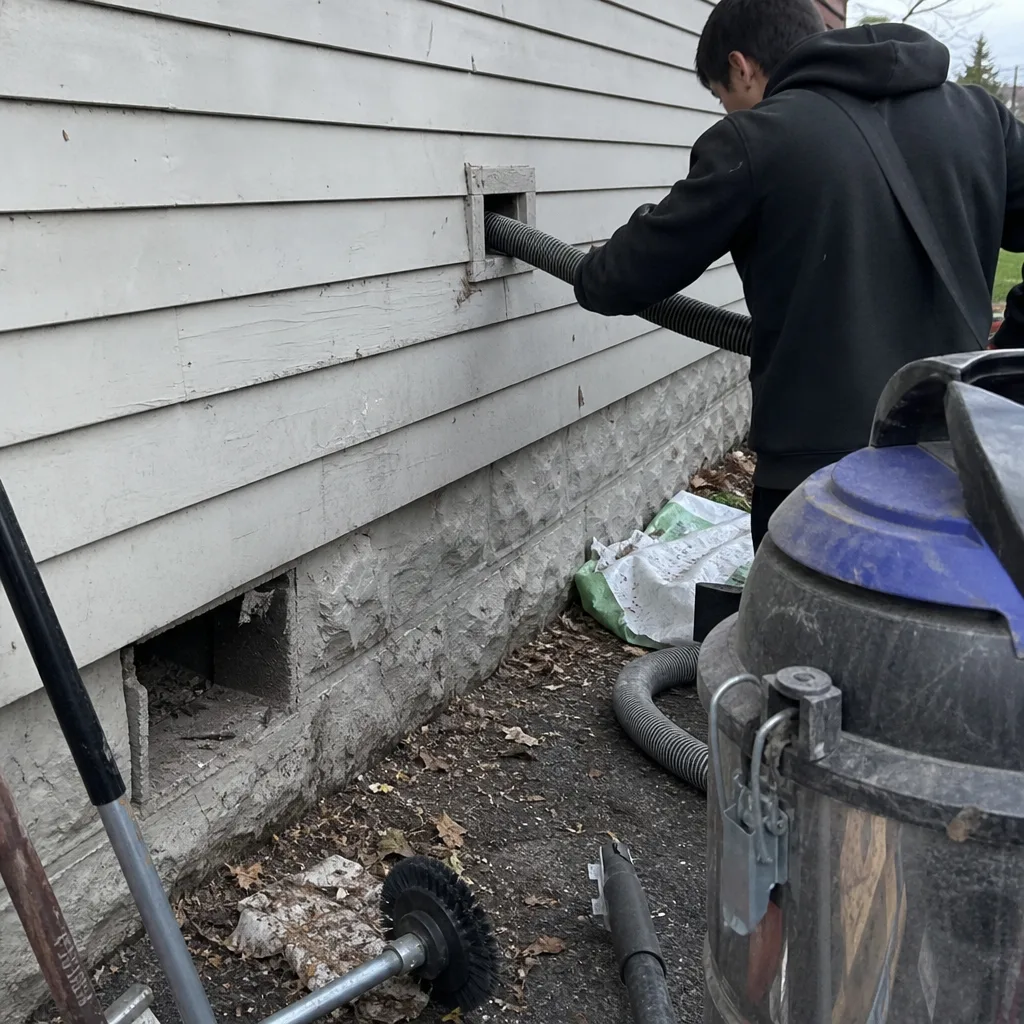 Before
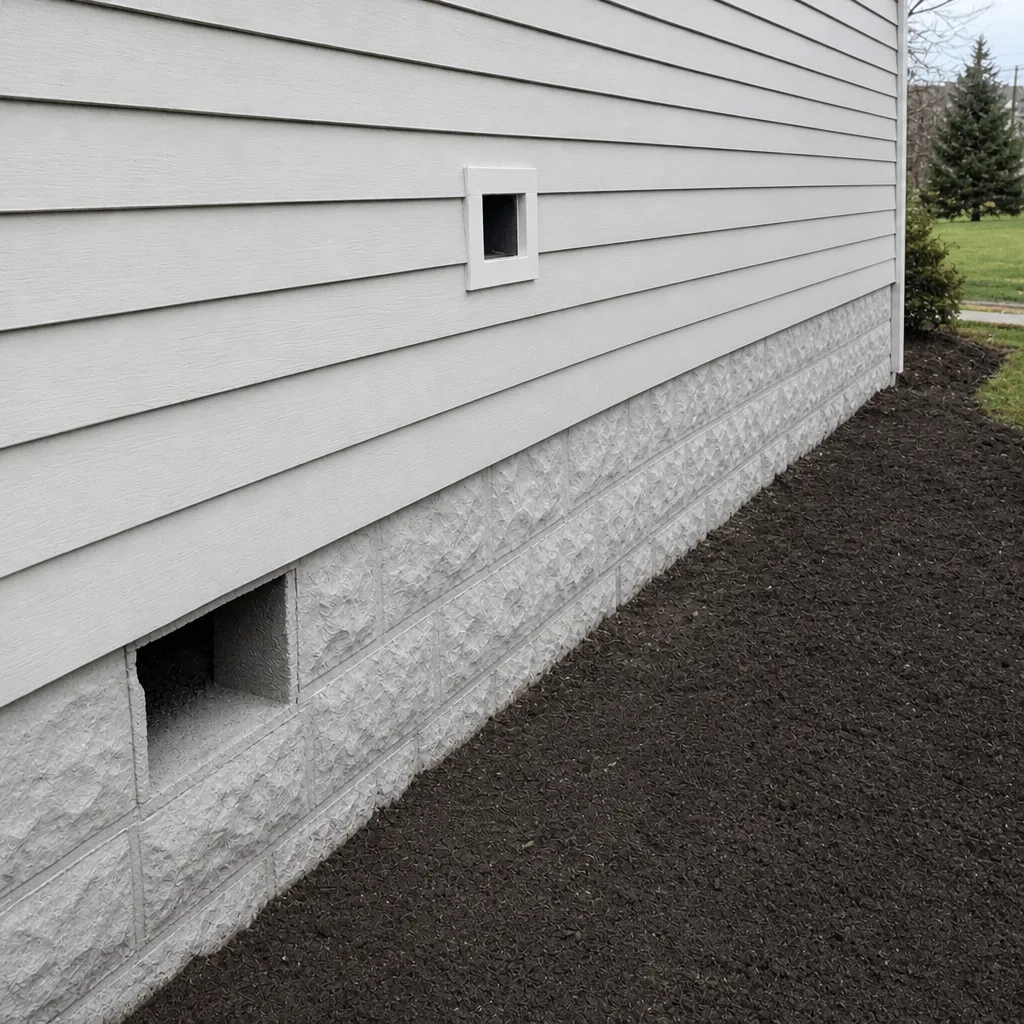 After
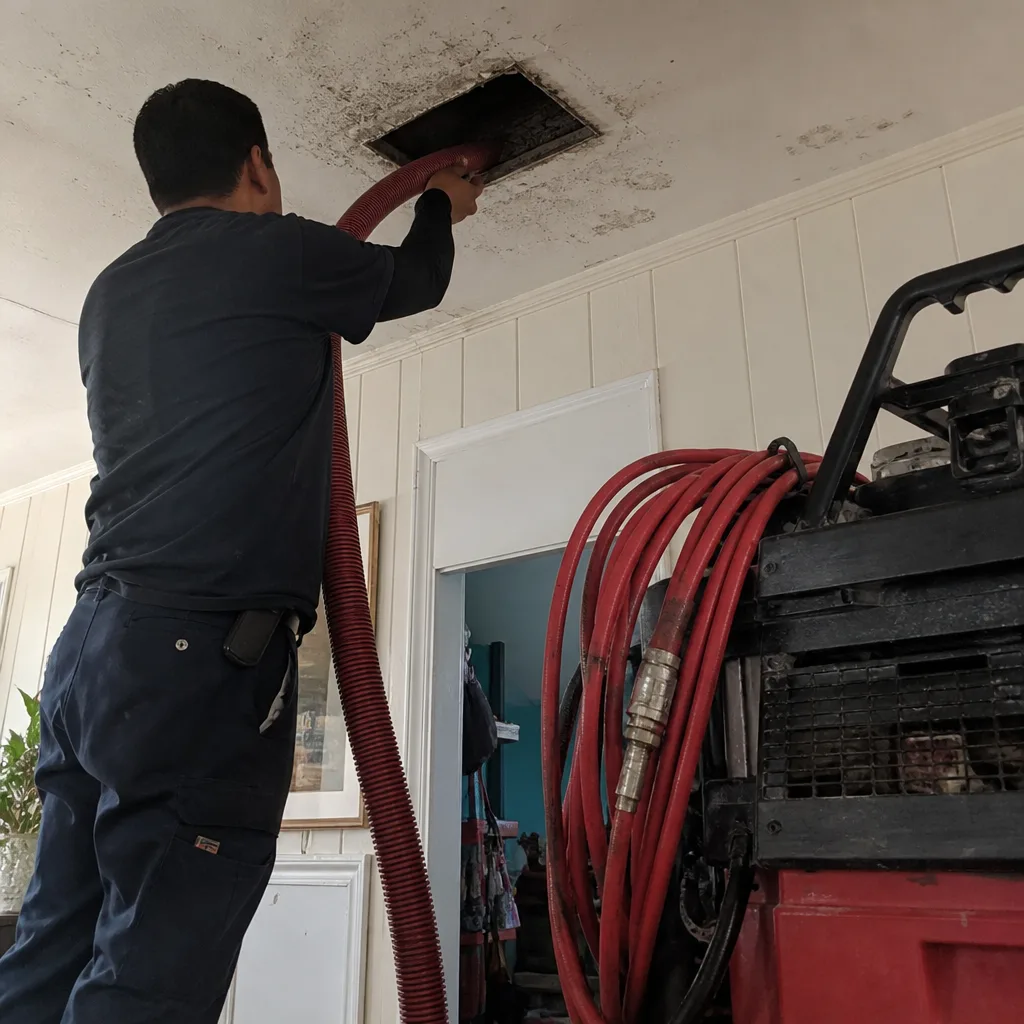 Before
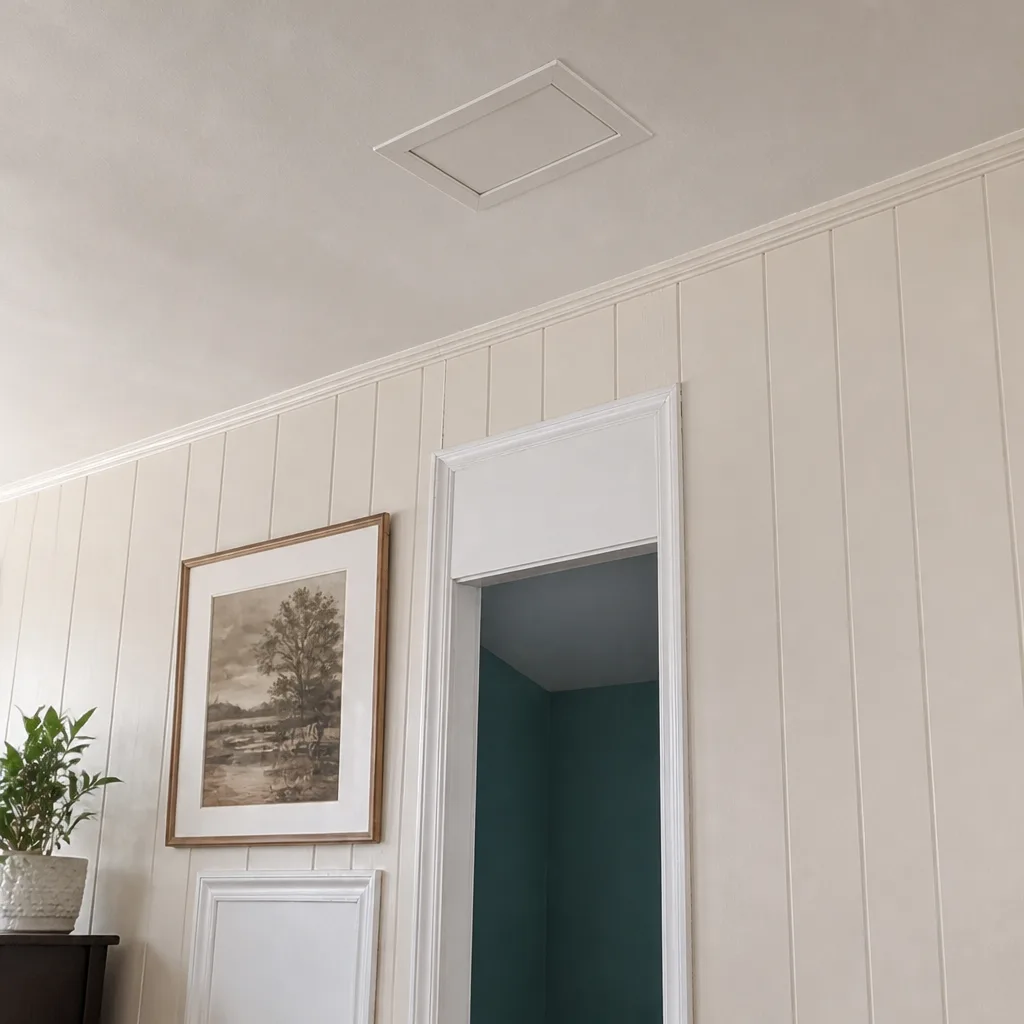 After
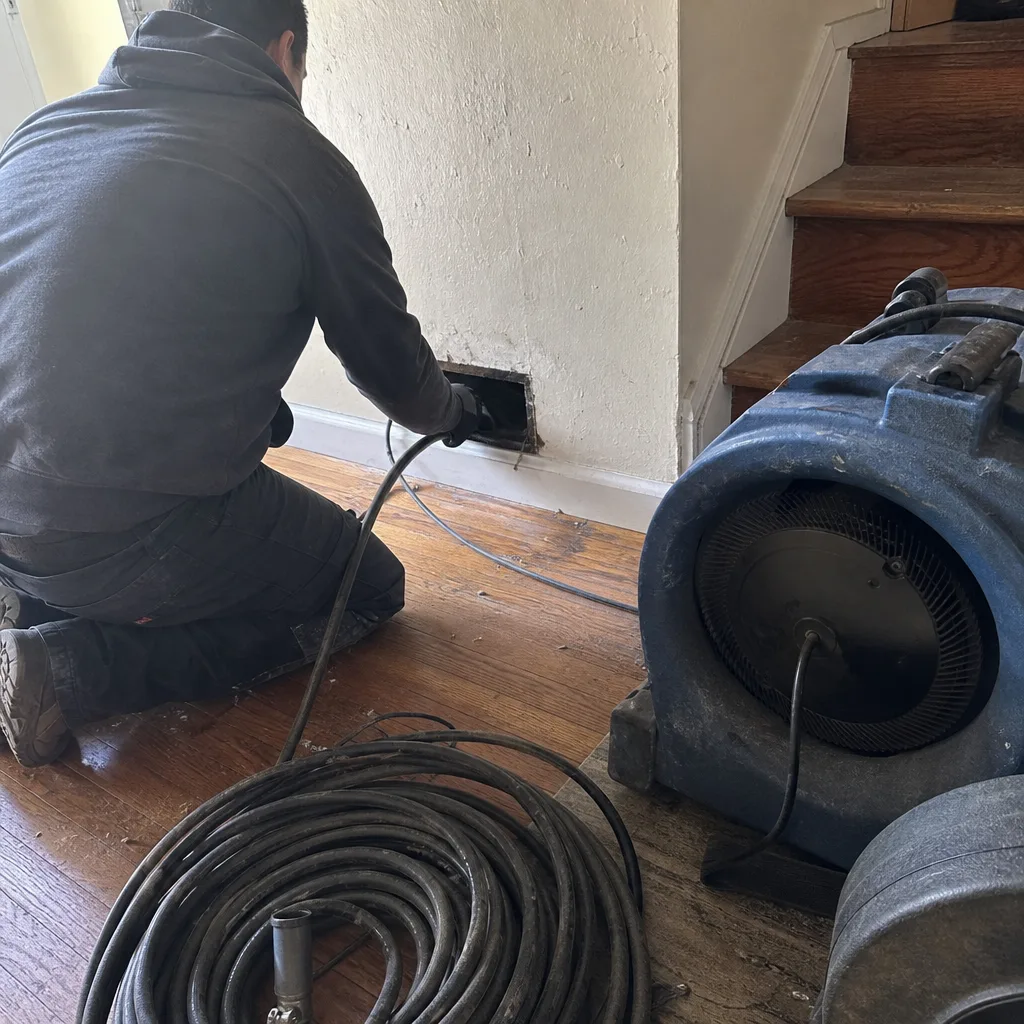 Before
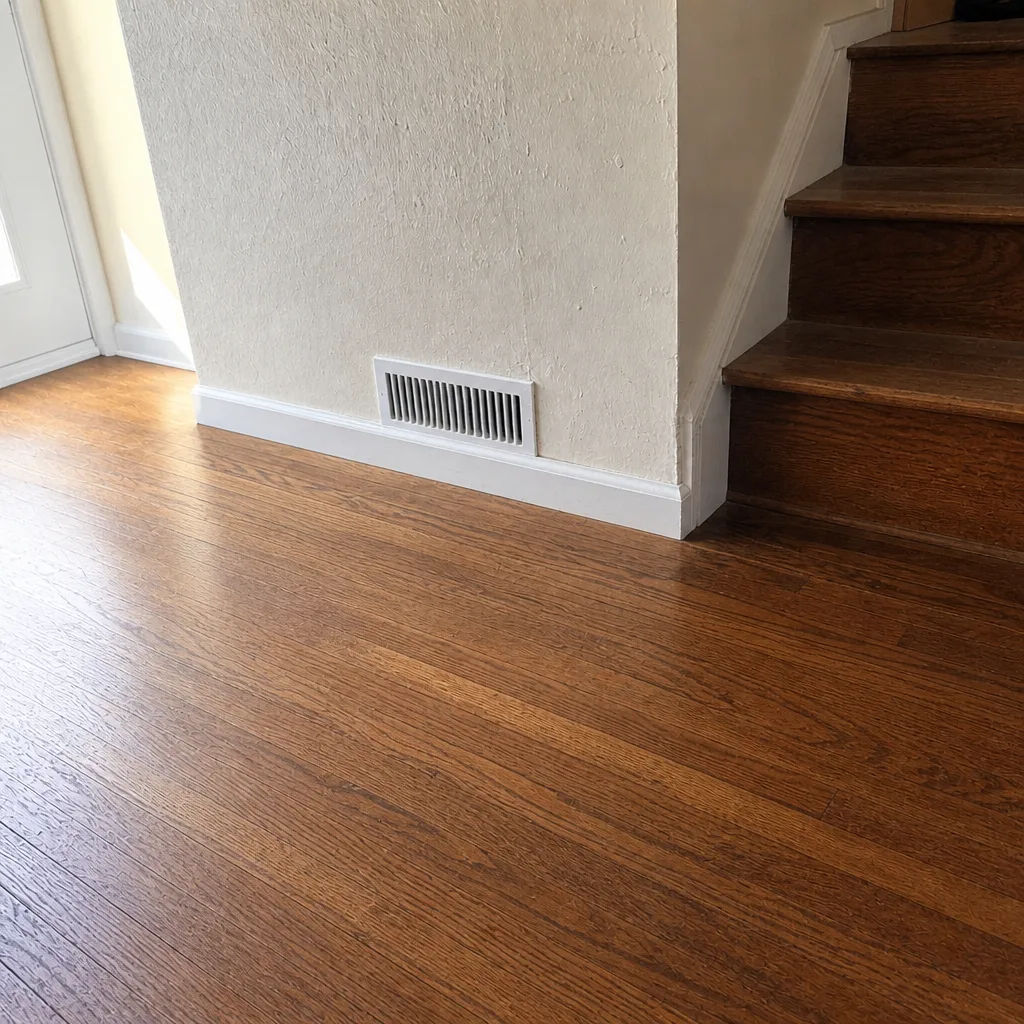 After
When to Call a Professional
Call a professional when you’re seeing more dust settling on surfaces shortly after cleaning the house, when anyone in the home has allergy or respiratory symptoms that seem worse indoors, when you’ve just finished a renovation that filled the system with debris, when you notice visible mold or musty odors coming from registers, when your ductwork makes noise or shows disconnected sections, or when it’s been several years since the last cleaning and you don’t know the system’s history. Those are all situations where the right equipment and a full-system approach make a measurable difference. If you’re in Throggs Neck, Air Duct Cleaning Throggs Neck offers free estimates in Throggs Neck. Call (866) 558-4773. We answer 24/7. Fast dispatch from 7am to 7pm, Sunday through Friday.
Frequently Asked Questions
Ask for the brand and model of their negative-air machine. Answers like Rotobrush, Nikro, or Abatement Technologies are credible contractor-tier brands; a vague “professional-grade” answer is not. A legitimate contractor will also explain their agitation tools and containment setup without hesitation.
Yes, especially in multi-story homes with long duct runs and multiple bends. A truck-mounted negative-air unit has the CFM to maintain suction all the way to the farthest register, while a small portable unit may lose most of its pull past the first floor. Ask about CFM and how they handle longer runs.
Cleaning removes accumulated debris from inside the ducts; repair and sealing fix the leaks, gaps, and disconnected sections that let debris and unconditioned air back in. Cleaning without sealing is surface work. The two together address the root cause.
A company offering both sees your home’s ventilation as a connected system. Dryer vent lint is a leading cause of residential fires, and it’s a service many duct-only specialists skip. A broader scope signals a genuine indoor-air-quality specialist rather than a single-service operator.
Pricing is per system, set by a written estimate after the contractor sees your ductwork, and it depends on the number of runs, accessibility, and whether the job involves contamination or remediation-adjacent work. A company quoting a per-vent teaser price is likely to bill more once on site. Call (866) 558-4773 for a free estimate. We answer 24/7. Fast dispatch from 7am to 7pm, Sunday through Friday.
Cheaper quotes usually reflect a different tier of equipment and effort: a portable shop vac instead of a truck-mounted negative-air machine, no containment, no HEPA filtration, and a quick pass rather than thorough agitation. The cleaning looks the same on the invoice but the result is different. Ask for brand names and before-and-after photos to verify what you’re getting.
The Bottom Line
Choosing an air duct cleaning brand comes down to equipment and scope. The right contractor brings a contractor-tier negative-air machine and agitation tools suited to your duct types, offers containment and HEPA filtration, documents the work with photos, and prices the job per system with a written estimate. The wrong one brings a shop vac, a per-vent coupon price, and no documentation. In Throggs Neck, with older housing and multi-story duct runs, that gap shows up in what gets left behind. Vet the equipment, ask the questions, and let the answers make the decision.
Call (866) 558-4773 for a free estimate. We answer 24/7. Fast dispatch from 7am to 7pm, Sunday through Friday.
Written by the team at Air Duct Cleaning Throggs Neck.