
Last updated November 25, 2026
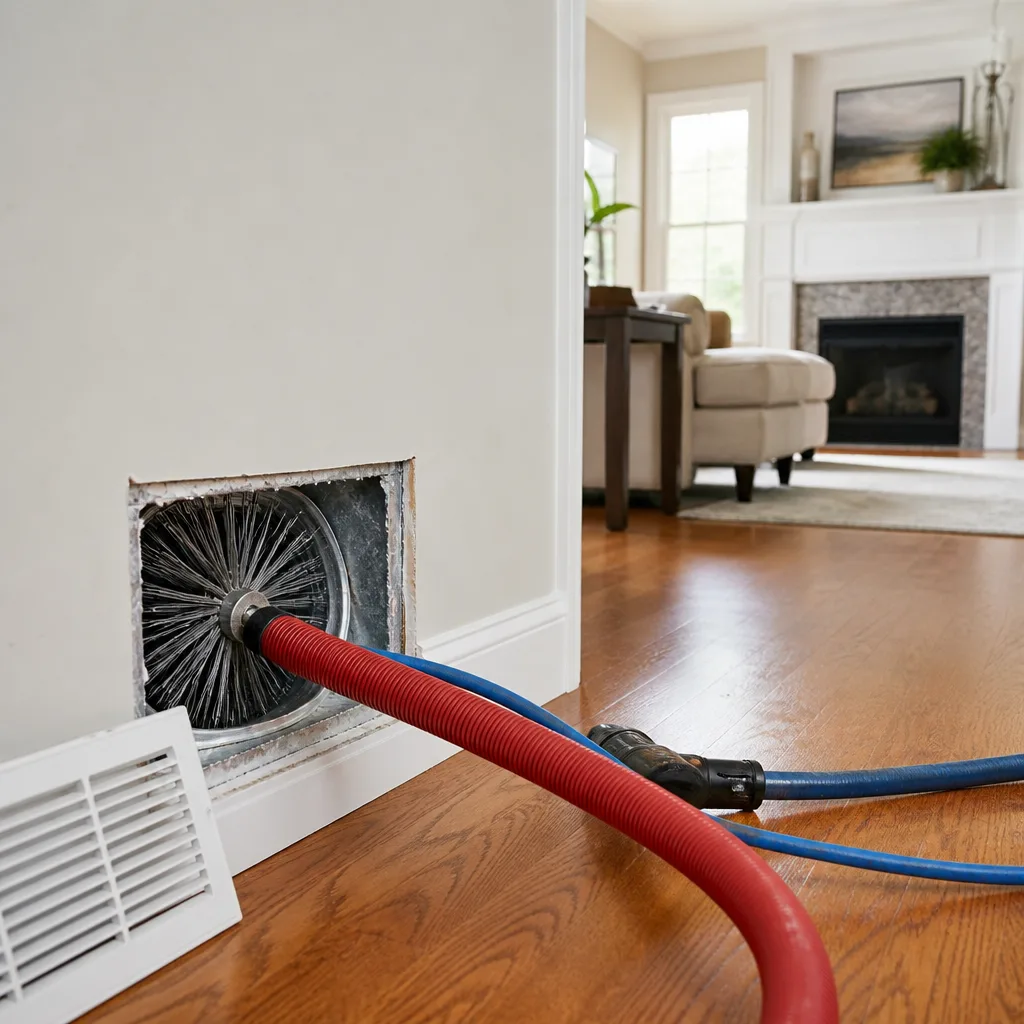 Whole-home duct cleaning
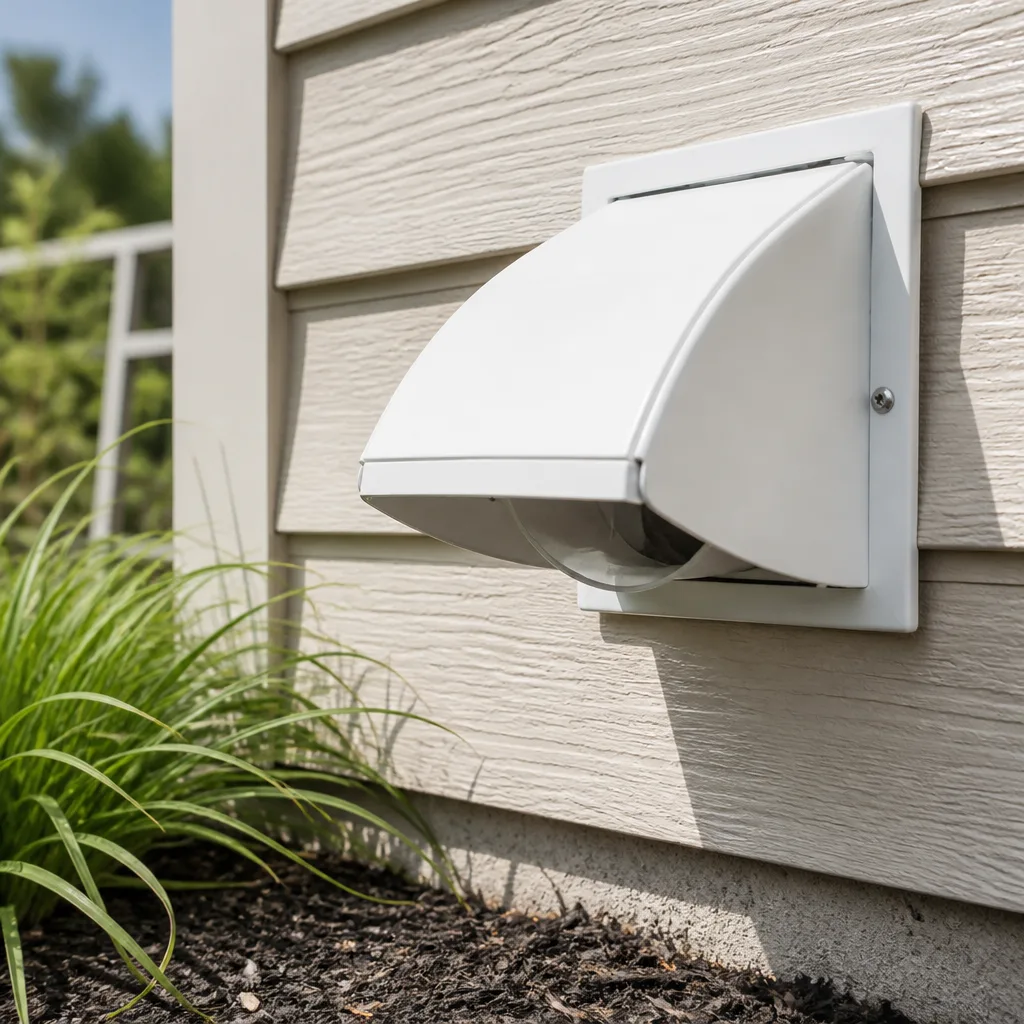 Dryer vent cleaning
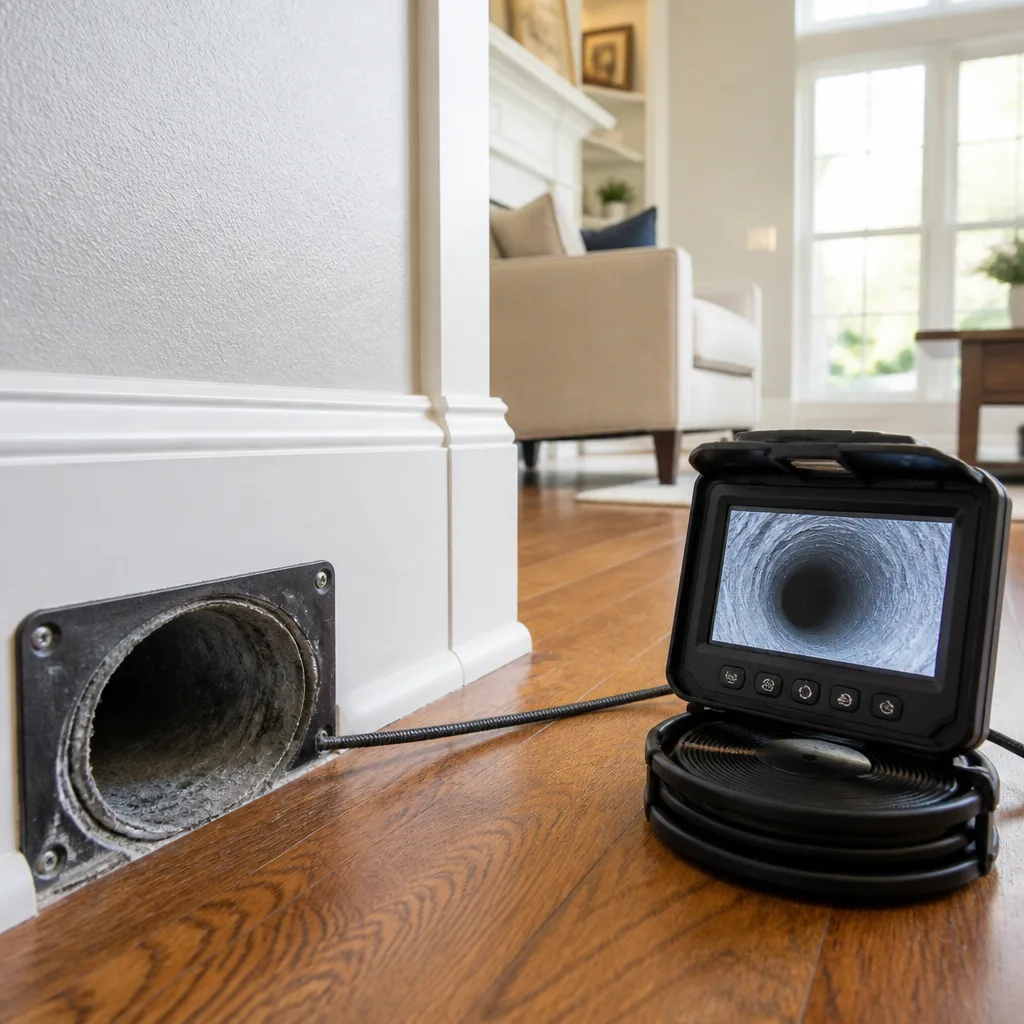 Camera inspection
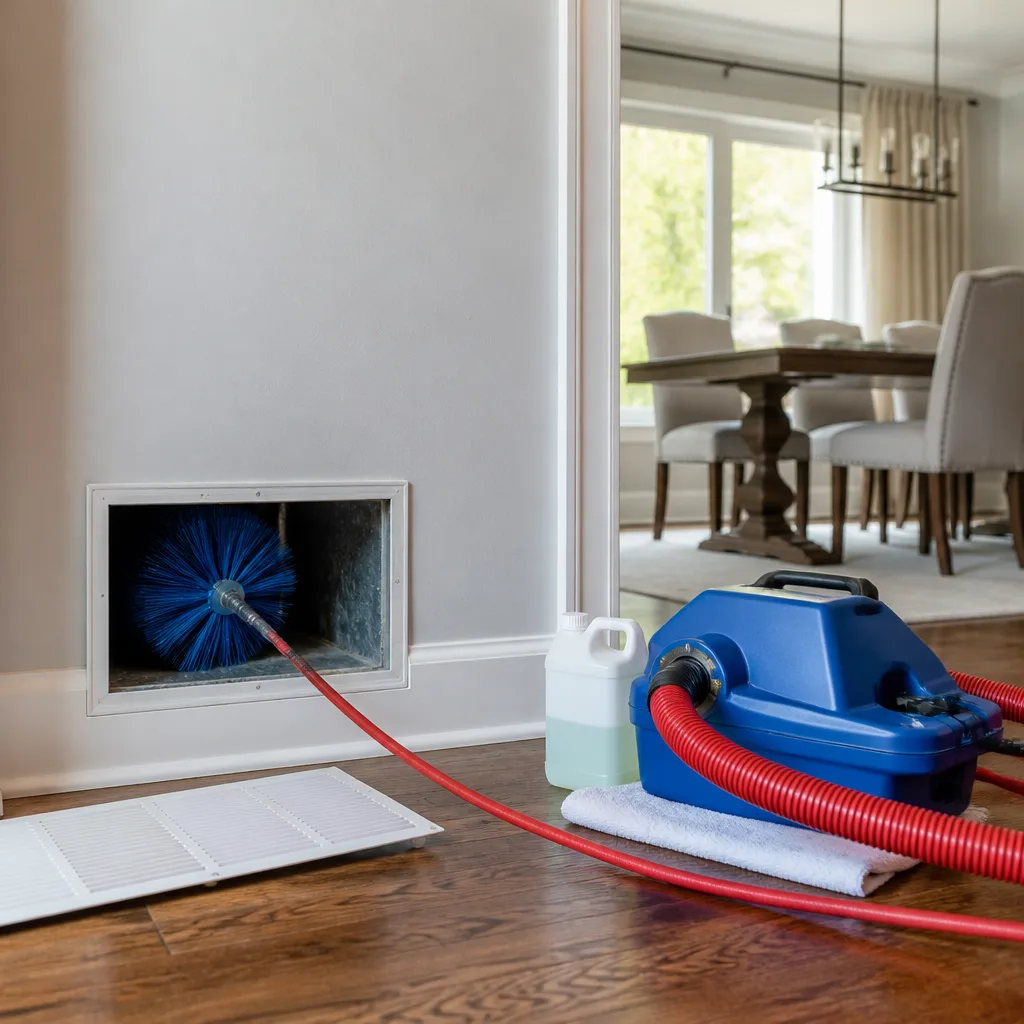 Sanitizing & deodorizing
Whole-system duct and dryer vent check with before-and-after photos - you see exactly what came out of your vents
That "$99 whole-house special" is a bait ad - the real number appears once they are in your hallway, or the "clean" is a shop-vac at the register. We photograph the inside of your ducts before and after instead.
The Complete Guide to Air Duct Cleaning in Throggs Neck
Most duct-cleaning guides were written for a 1,800 sq ft ranch in the suburbs. If your home was built before 1970 and shares a boiler room with two other units, those guides skip the three variables that matter most to you: how your ducts were built, how the Long Island Sound’s summer humidity loads them, and how much equipment it actually takes to reach a run of duct on a fourth floor. This guide covers all three, plus the full source-removal process from access-point identification to post-clean verification. It’s written from Throggs Neck, for Throggs Neck.
Quick Answer
Air duct cleaning in Throggs Neck is a full source-removal process: sealed negative air, mechanical brush agitation of every run, HEPA vacuuming of the plenum and trunk, and before-and-after photos you can inspect. In the neighborhood’s prewar brick and postwar frame housing, the job usually runs longer than a suburban quote suggests because duct runs are short, angled, and often buried behind soffits. A typical whole-system clean starts with a free on-site estimate, and the written estimate sets the final price.
Styles & brands we work with
- Whole-home duct cleaning
- Dryer vent cleaning
- Camera inspection
- Sanitizing & deodorizing
Table of Contents
- Why Throggs Neck Ducts Get Dirty Differently
- How Building Age Changes the Job
- What Long Island Sound Humidity Does Inside Your Ducts
- The Equipment a Multi-Story Layout Actually Requires
- What Source Removal Looks Like, Step by Step
- How to Verify the Job Before the Technician Leaves
- Dryer Vents: The Overlooked Fire Risk in Shared Buildings
- Common Mistakes to Avoid
Why Throggs Neck Ducts Get Dirty Differently
Throggs Neck isn’t a single housing type, and that’s the first thing a generic guide gets wrong. Drive one block and you’ll move from a 1920s brick two-family to a postwar frame cape to a mid-century garden apartment with shared mechanical space. Each one loads its ducts from a different source.
In prewar brick buildings, duct runs are short, boxed into wall cavities, and often fabricated from sheet metal lined with old fibrous material. Debris collects at the bends and elbows because the runs were never designed for modern airflow rates. In frame houses, the return side frequently runs through panned floor joists; that “duct” is really a cavity, and it’s harder to seal and harder to clean properly.
Then there’s the shared-mechanical reality of denser blocks near the water and along the commercial stretch of East Tremont Avenue. When several units share a boiler room and a common return, one unit’s dust is another’s. A cleaning that stops at your apartment’s registers without addressing the shared trunk is a partial job.
What accumulates is specific: skin cell and pet dander that sticks to the duct wall, then a layer of settled dust bound by moisture, plus lint carried through from poorly vented dryers. In older Throggs Neck homes we routinely find a fine grey film on the first several feet of trunk line that no consumer shop vac can lift.
How Building Age Changes the Job
Prewar and postwar construction in Throggs Neck call for different cleaning methods, different access points, and different expectations about what “clean” means. A 1940 brick building and a 1960 frame house don’t share a duct geometry.
Prewar brick buildings (roughly 1900 to 1945)
- Short, tightly boxed runs with multiple elbows; brushes and whips need flexible shaft tools, not rigid ones.
- Sheet-metal fabrications with riveted seams that can hide pockets of debris.
- Registers set close to the ceiling in high rooms; ladder access and drop cloths are a planning issue.
- Occasionally lined ductwork whose lining condition has to be inspected before aggressive agitation, because degraded lining breaks up under a stiff brush.
Postwar frame houses (roughly 1946 to 1975)
- Panned joist returns and flex duct in later renovations; flex is more prone to sagging and debris traps.
- Longer horizontal runs with fewer turns but more total length to clean.
- Attic or crawlspace distribution that may run hot and dry, which changes the debris character to fine and powdery.
The practical takeaway: an honest estimate in Throggs Neck has to look at your building type before it quotes a number. That’s why a phone quote for this neighborhood is only a placeholder.
What Long Island Sound Humidity Does Inside Your Ducts
Throggs Neck’s summers put a lot of moisture into the air, and your ducts are one of the places it ends up. Every time the system cycles off, the cool metal surfaces warm up and condensation forms. Warm, damp duct interiors are the ideal condition for dust-mite loading and for mold spores that were already present in the return air to settle and start to colonize.
What this means in practice:
- Debris doesn’t stay dry and loose. It cakes onto the duct wall, which is why brushing alone without proper agitation and HEPA capture leaves a film.
- Mold odor carried through the supply registers is a real complaint in this neighborhood, especially in units with basement or ground-floor returns.
- Coils and blower wheels accumulate a biofilm that cleaning the ducts alone won’t address, which is why HVAC cleaning and duct cleaning belong in the same visit.
- After cleaning, an air-sanitizing step matters more here than in a dry climate because the residual spore load is higher.
We’ve seen plenty of older Throggs Neck units where the source of a “musty house” smell isn’t the apartment at all. It’s a damp return behind a wall.
The Equipment a Multi-Story Layout Actually Requires
Not every Throggs Neck job needs the same machine. Here’s how we decide.
When a truck-mount negative-air machine is non-negotiable
- Multi-story buildings where the trunk runs vertically and you need real static pressure to pull debris up and out.
- Large ducts or commercial-grade air handlers with high-volume runs.
- Mold or heavy contamination jobs where containment-grade negative pressure has to be maintained for the whole cleaning, not just the brush-out.
- Property-manager and light-commercial work where the building can’t afford dust to escape into other units.
When portable professional units are the right tool
- Single-family frame houses with short runs and accessible plenums.
- Apartments where truck access to the mechanical space is limited by block layout or alley constraints.
- Follow-up visits for a specific section of duct after repair.
Professional-grade equipment is the difference. The portable units we carry are Rotobrush and Nikro systems, standard in certified contractor operations, not shop vacs with a hose attached. For containment work we use Abatement Technologies equipment. In homes with premium IAQ setups, familiarity with Honeywell and Aprilaire components matters because a technician who doesn’t know how those systems are installed can damage sensors and bypass assemblies during cleaning.
The full-system approach is the point: Air Duct Cleaning Throggs Neck pairs source removal with repair and sealing so the duct is clean and stays clean.
What Source Removal Looks Like, Step by Step
Source removal means taking the debris out, not blowing it around. Here’s the sequence we follow.
- Pre-clean inspection and photos.
- Pre-clean inspection and photos. Every register is opened and photographed, and the plenum interior is documented before a brush goes in.
- System setup and containment. Negative air pressure is established at the trunk, with collection equipment connected and HEPA filtration running.
- Register sealing in sequence. Working register by register, each opening is sealed and cleaned in turn so contamination can’t migrate to already-cleaned sections.
- Brush agitation of every run. Powered brushes and whips loosen debris from the duct wall; the negative air captures it as it releases.
- Plenum and trunk HEPA vacuuming. The heavy material that settles at the base of the plenum is vacuumed with HEPA equipment until the visible surface is clear.
- Coil and blower check. Compression and contamination on the coil and blower are assessed and cleaned if within scope.
- Repair and reseal. Any loose joints, torn flex, or gaps found during cleaning are sealed before reconnecting.
- Post-clean verification and photos. Register by register, the after-clean photos are captured for you to compare against the before set.
- Before-and-after photos inside the plenum. Ask to see the same spot, before and after. If the technician can’t show you the interior, the job isn’t verifiable.
- Register-by-register photos. Every register should have a matched pair. The photos should show the actual duct interior, not just the grille.
- Airflow check at the supply registers. Hold a tissue at each supply or feel the flow by hand. Flow should be steady and even, not noticeably weaker than before.
- No new dust at the returns. Run the system briefly and confirm no visible dust is blowing from the registers.
- Written confirmation of what was cleaned. The scope you agreed to should match what was actually done.
- Lint depth along the full run, especially at turns and at the wall transition.
- Obstructions from crushed or kinked flex duct behind the dryer.
- A vent flap that opens and closes freely.
- Signs the dryer has been running hot, like discoloration near the connection point.
- Hiring for the lowest coupon price. A very low headline price usually becomes a much larger invoice once the technician is inside. Ask for a written per-system price upfront.
- Letting the job stop at the registers. Cleaning the grilles and calling it done leaves the trunk and plenum untouched. The debris you care about lives behind the wall, not on the visible face of the register.
- Skipping the photos. If there’s no before-and-after photo of the plenum interior, you have no way to know the work was actually done. Ask, and inspect the images before you pay.
- Cleaning without sealing. In older Throggs Neck homes, gaps in the trunk and torn flex undo a proper cleaning within a season. Repair and sealing go in the same visit.
- Ignoring the shared mechanical space. In multi-unit buildings, cleaning only your apartment while the shared return stays contaminated is a short-term fix. Ask the property manager what’s been done on the common trunk.
- Assuming a musty smell is normal. It isn’t. Persistent odor after cleaning points to a moisture source that needs to be found, not masked.
- Waiting until the system is already struggling. By the time airflow drops, contamination has typically been building for years. A periodic inspection catches it early.
You get one flat price per system agreed before work starts, both photo sets, and a satisfaction guarantee. That’s the whole deal.
How to Verify the Job Before the Technician Leaves
A duct cleaning is done when you can see the evidence and feel the difference. Here’s what to check before anyone packs up.
If any of these doesn’t hold up, ask. A legitimate specialist won’t have a problem walking the system again. Our technicians have up to 9 years of experience, and the good ones show you everything.
Dryer Vents: The Overlooked Fire Risk in Shared Buildings
Dryer vent cleaning is a fire-risk service, and in Throggs Neck’s denser buildings, it’s often the most urgent item on the list. Lint accumulates in the vent line faster in shared-appliance situations where a dryer runs multiple loads a day. When lint packs against the exterior vent flap, airflow drops and the dryer runs hotter.
What we look for during a vent cleaning:
Dryer vent cleaning and duct cleaning are the two halves of the same indoor-air and safety conversation. Read about dryer vent cleaning if lint is your primary concern.
Common Mistakes to Avoid
See the difference
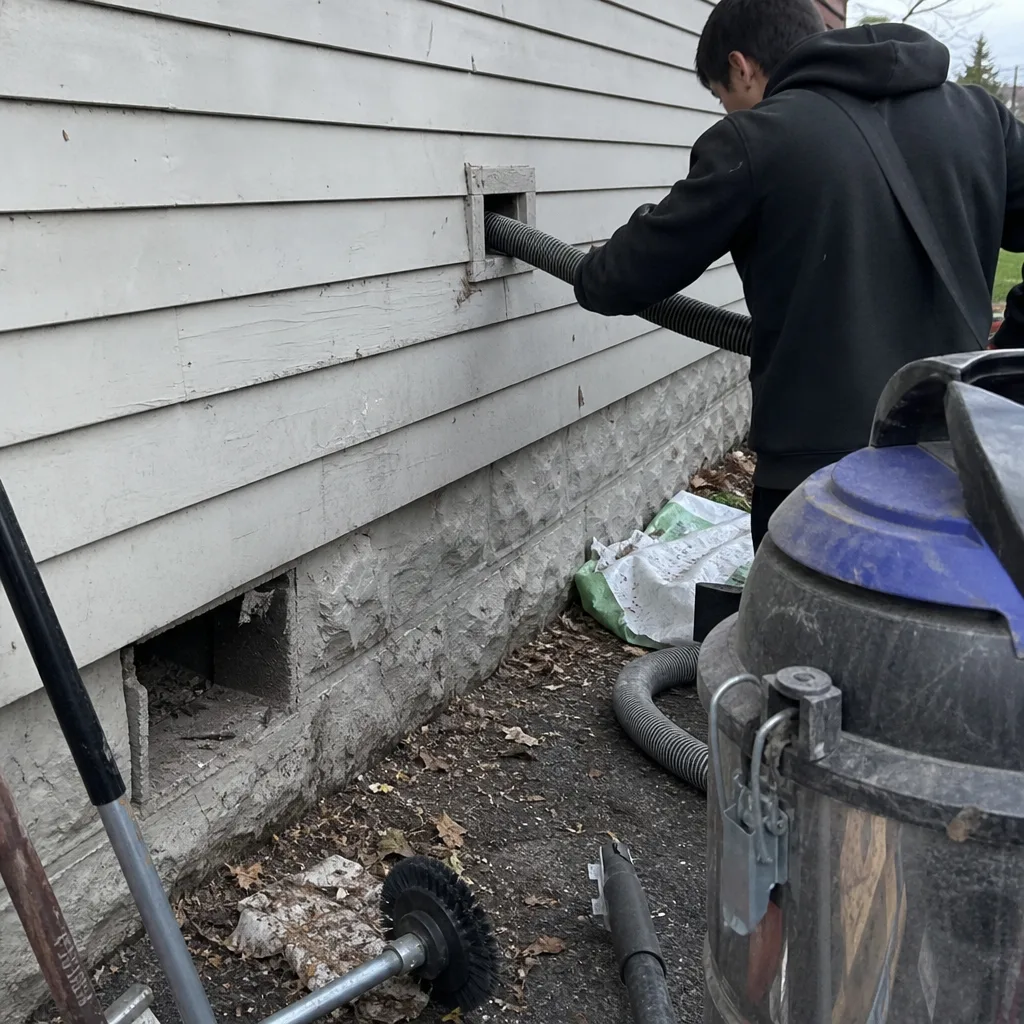 Before
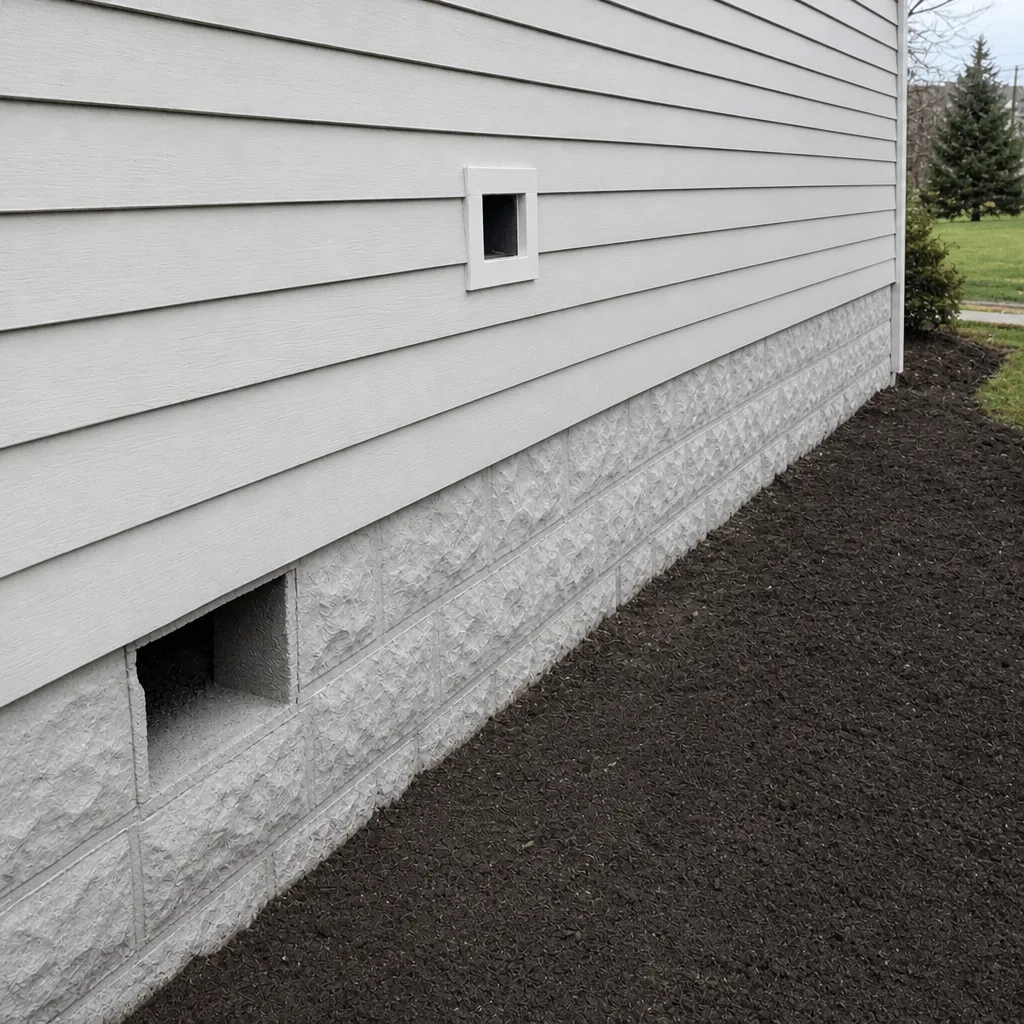 After
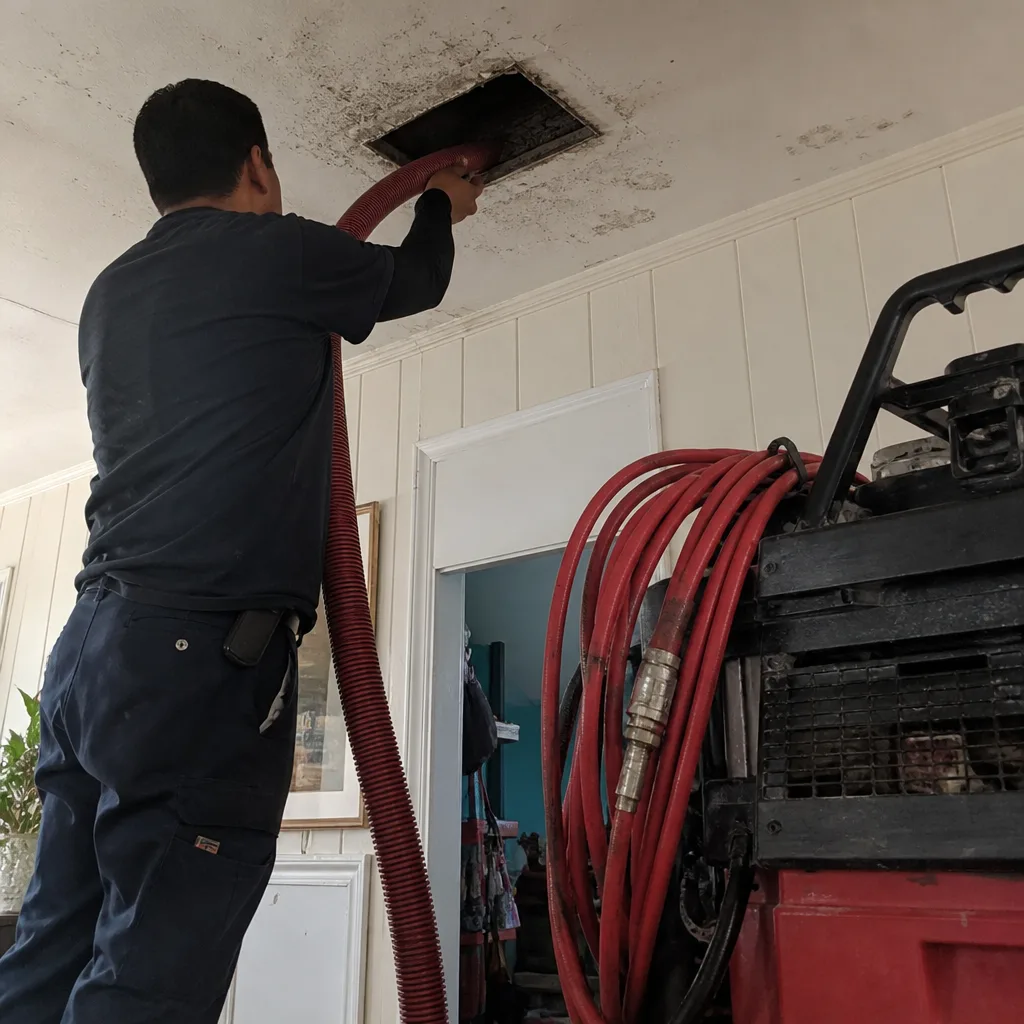 Before
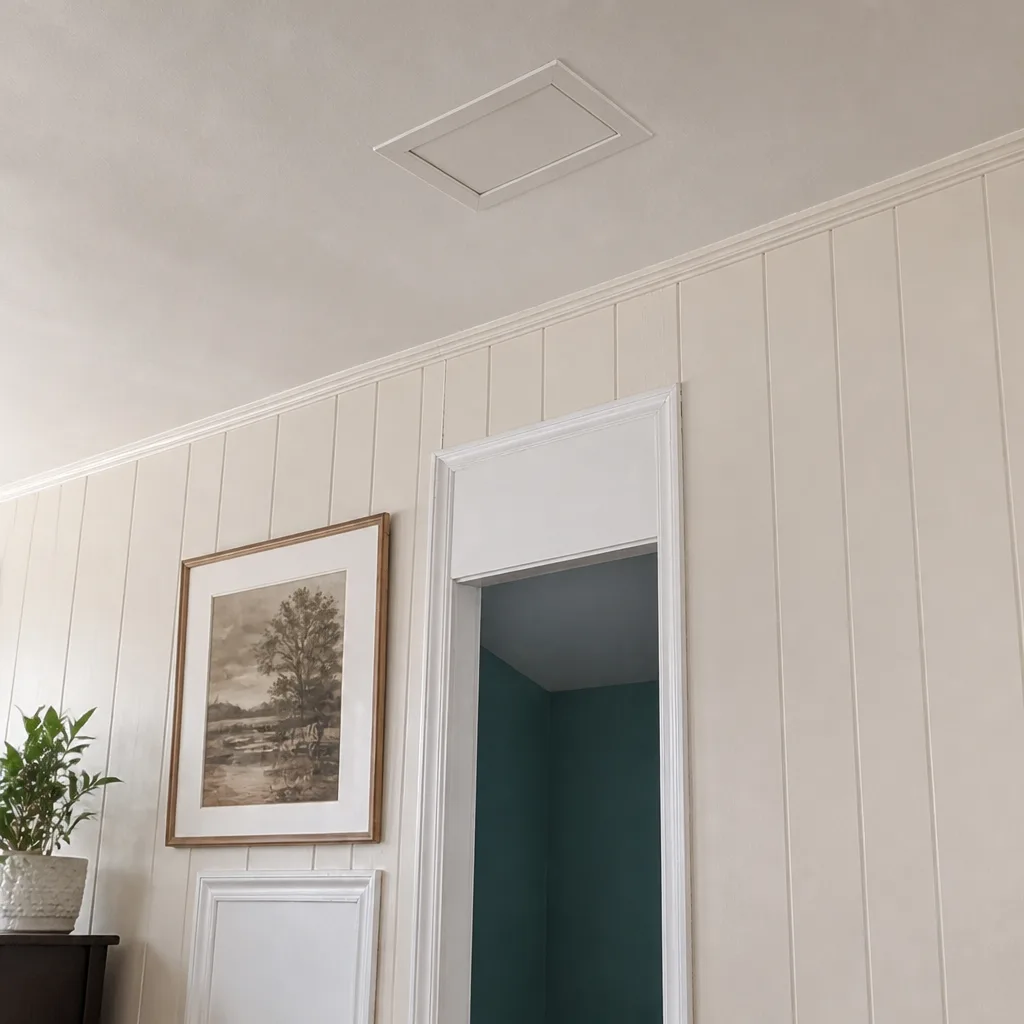 After
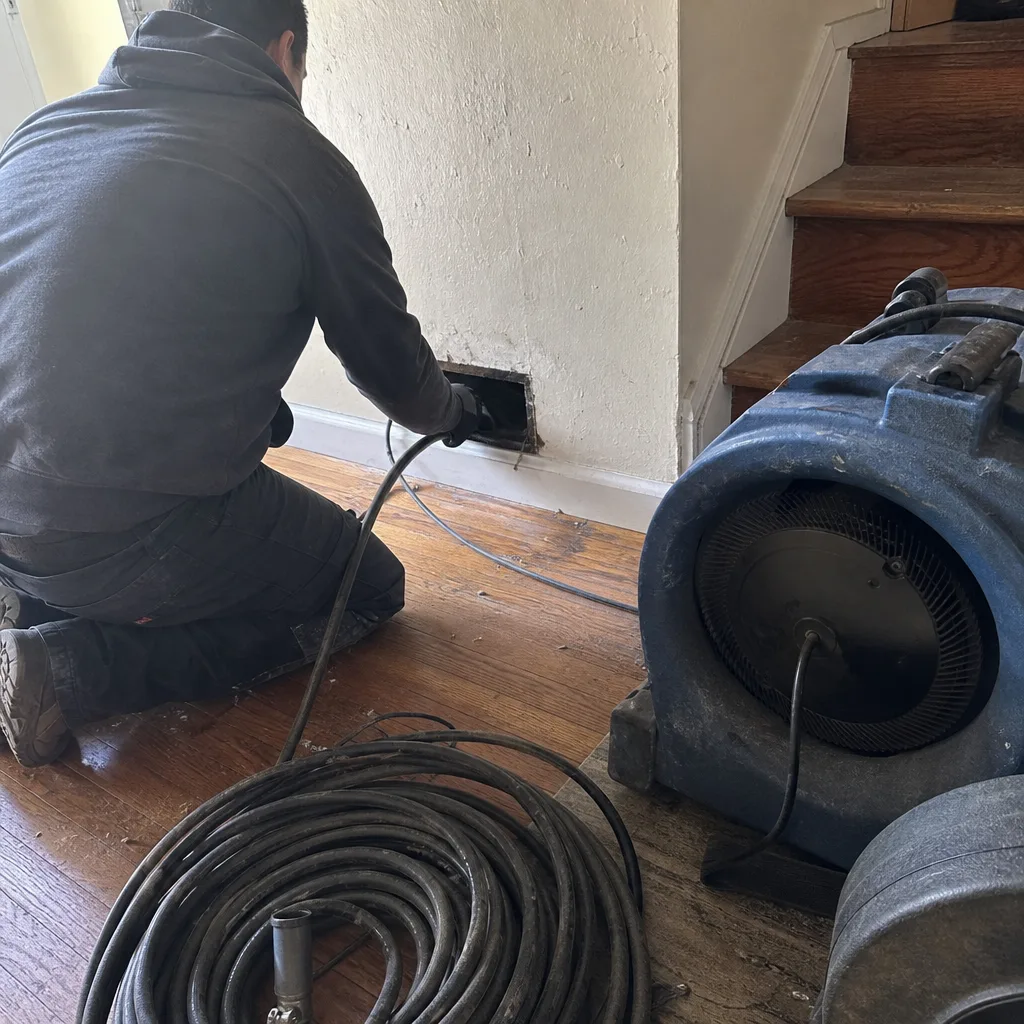 Before
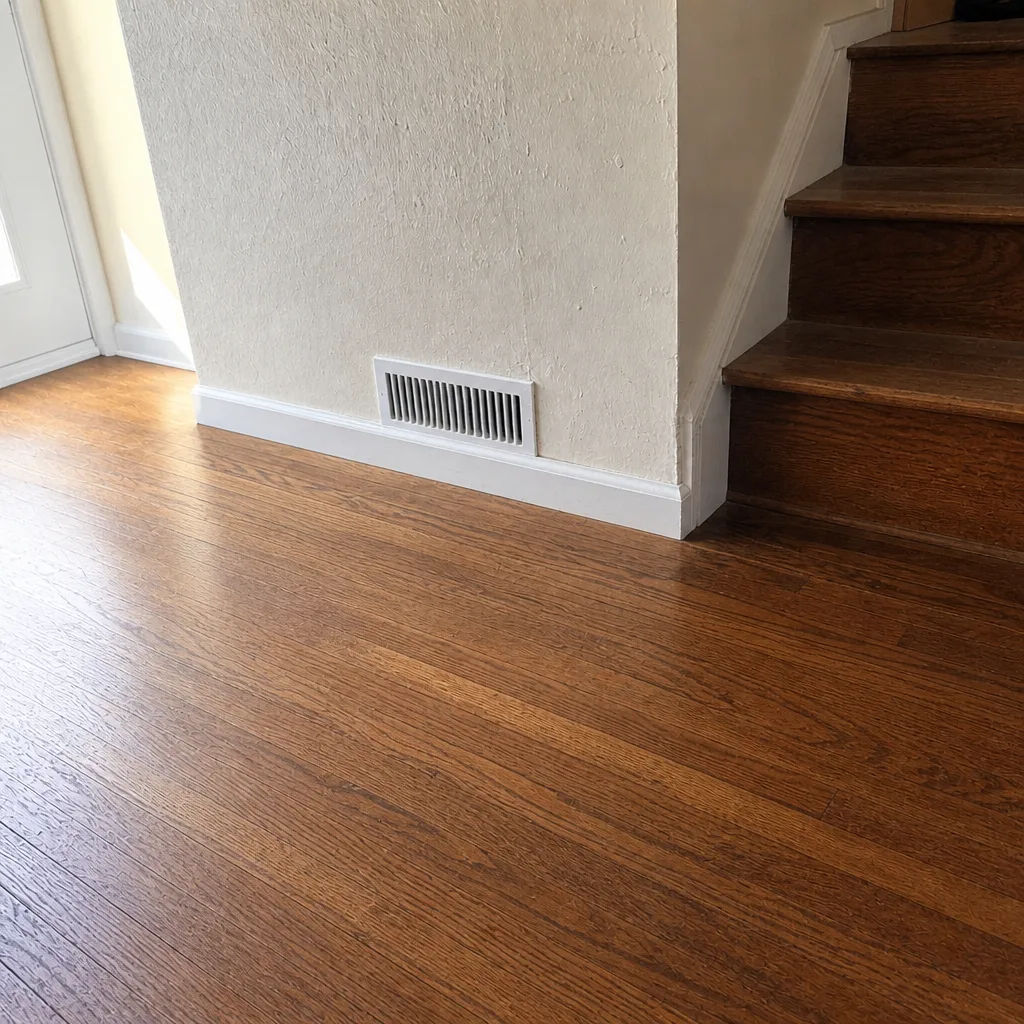 After
When to Call a Professional
Call a professional when the system has visible dust bloom at the registers after a filter change, when a musty smell persists in more than one room, when anyone in the home has new or worsening respiratory symptoms that improve away from home, when the dryer takes two cycles to dry a load, or when the ducts haven’t been addressed in over three years and the home is older construction. In Throggs Neck’s prewar and postwar housing, the access points and equipment requirements make DIY a genuine risk of damaging duct lining or spreading contamination. Air Duct Cleaning Throggs Neck offers free estimates in Throggs Neck. Call (866) 558-4773. We answer 24/7. Fast dispatch from 7am to 7pm, Sunday through Friday.
Frequently Asked Questions
Because duct geometry and access vary block to block in Throggs Neck, pricing is set per system by a written estimate after a free on-site look, not quoted over the phone. Larger or multi-story systems and jobs that include air duct cleaning plus repair and sealing fall at the higher end. One flat price per system is agreed before any work starts. Call (866) 558-4773 for an exact quote – estimates are free.
Cheaper quotes usually skip the parts of the job you can’t see: they clean the register faces and the visible first foot of duct without brushing the full run, without HEPA vacuuming the plenum, and without before-and-after photos. That’s a surface job, not source removal, and the debris returns within a season. Ask what equipment will be used and whether plenum photos are included before you compare prices. Call (866) 558-4773 to talk through the scope – estimates are free.
You should see before-and-after photos of the plenum interior and of each register, and you should feel steady airflow at every supply when the system runs. Ask the technician to show you the images side by side, spot matched, before you settle up. If the photos don’t line up on the same spot, the verification isn’t there. Call (866) 558-4773 to schedule an estimate – it’s free.
In an average Throggs Neck home with pets or a smoker, roughly every three years is a reasonable interval; in a home near the water with humidity issues or in a building with shared returns, more often. Between cleanings, a filter swap on schedule and checking the return for visible dust are your best signals. Call (866) 558-4773 to book an inspection if it’s been a while – estimates are free.
Yes, when it’s done by a trained specialist who recognizes that prewar duct lining and riveted sheet-metal runs need gentler tooling than modern flex. The risk in a poorly handled job isn’t the cleaning itself, it’s aggressive agitation that breaks down lining or damage caused by technicians unfamiliar with the building type. Ask what equipment will be used for your specific ductwork. Call (866) 558-4773 to discuss your home – estimates are free.
Yes. dryer vent cleaning is part of our service scope because a blocked vent is a real fire risk, and it’s a separate system from your supply and return ducts. In multi-unit Throggs Neck buildings, both should be on the same maintenance calendar. Call (866) 558-4773 for a free estimate on either or both.
The Bottom Line
Duct cleaning in Throggs Neck isn’t a one-size job. Building age, building type, and the moisture that Long Island Sound summers push into every duct wall all change what the work actually requires. The right job includes full source removal with professional-grade equipment, verified by photos you can compare, and finishes with repair and sealing so the results hold. If you’re weighing a coupon price against a real scope, ask the question that separates them: what equipment, and what evidence? That’s the whole conversation. A free estimate gives you the clear answer. Written by the team at Air Duct Cleaning Throggs Neck.
Call (866) 558-4773 for a free estimate. We answer 24/7. Fast dispatch from 7am to 7pm, Sunday through Friday.