
Last updated November 25, 2026
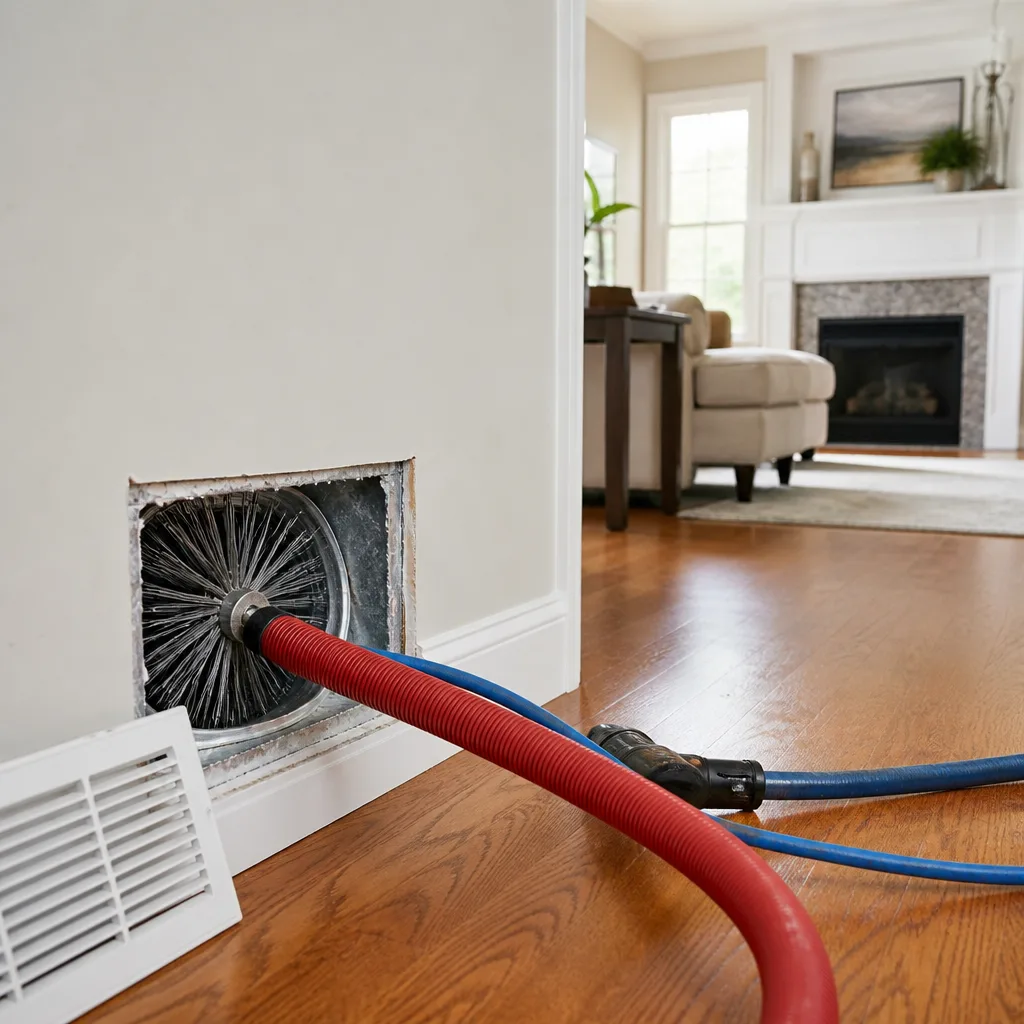 Whole-home duct cleaning
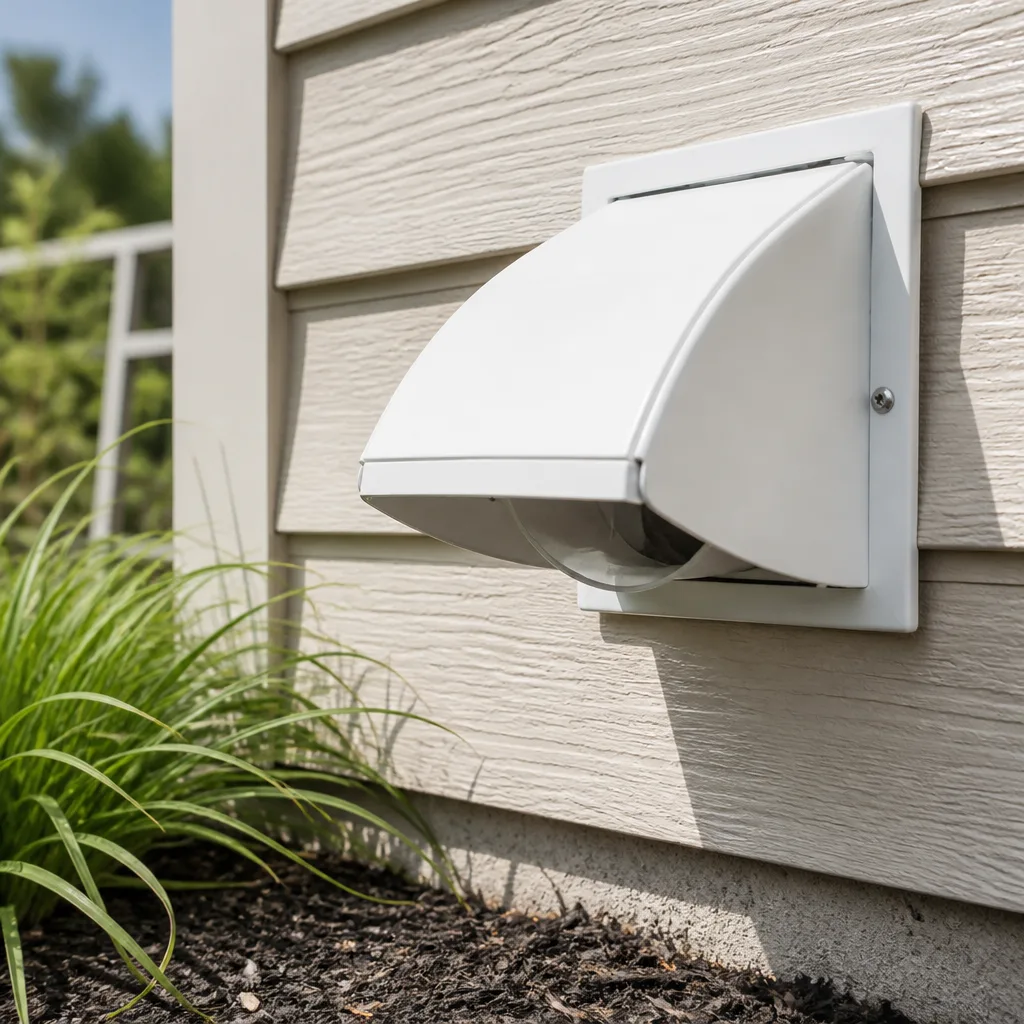 Dryer vent cleaning
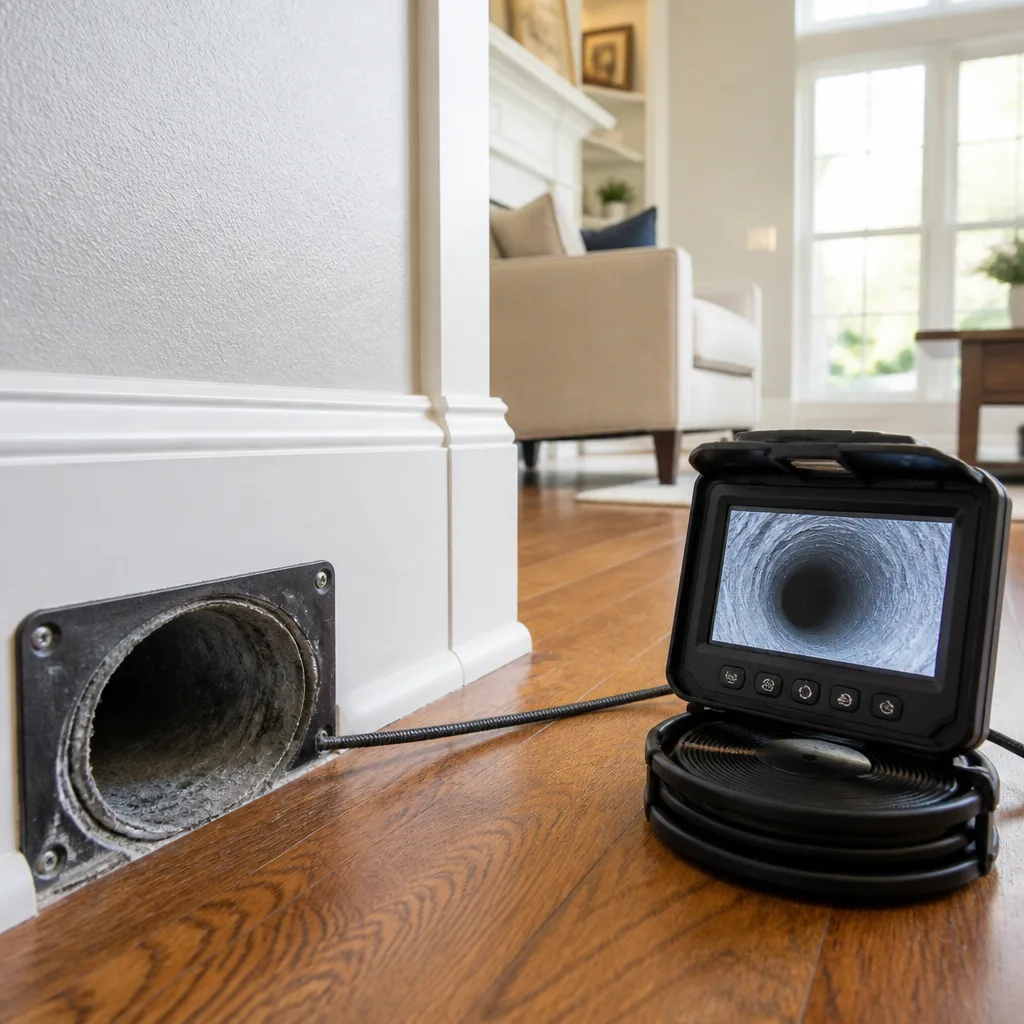 Camera inspection
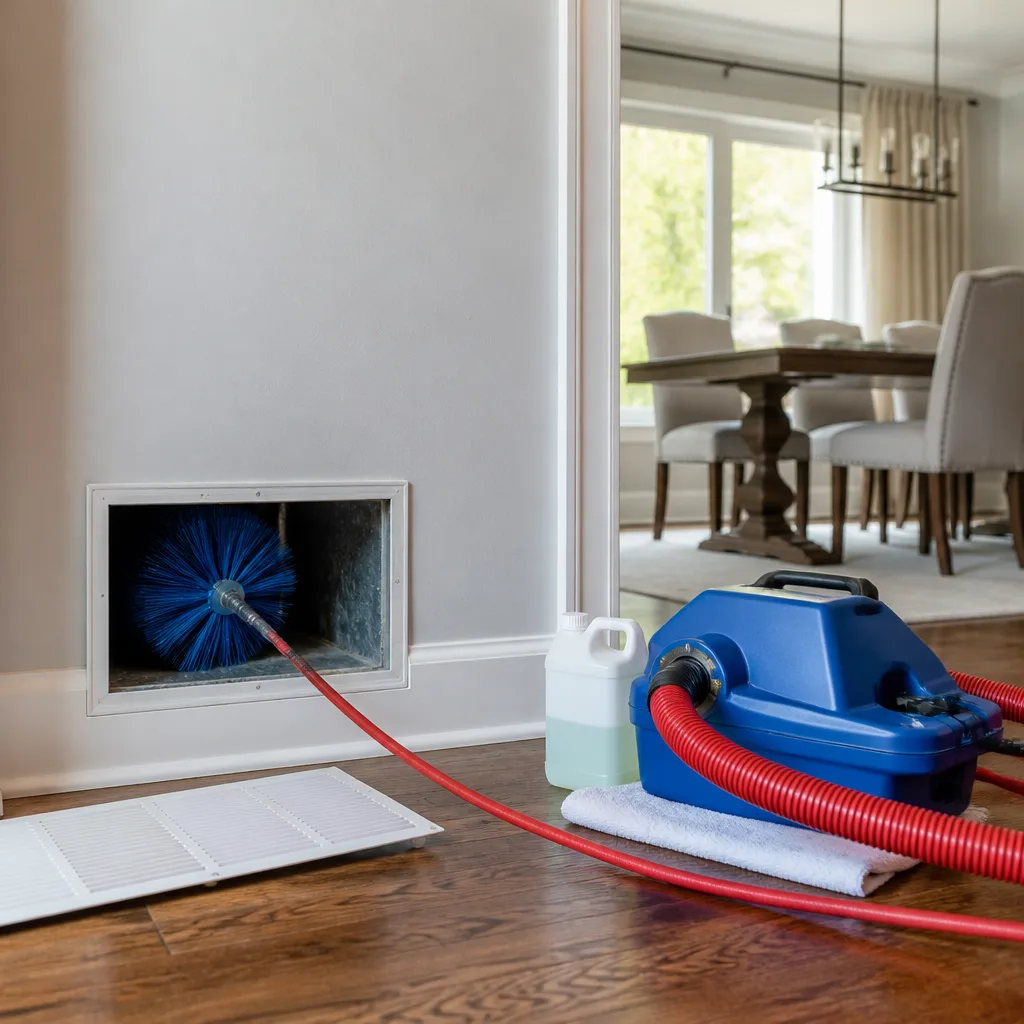 Sanitizing & deodorizing
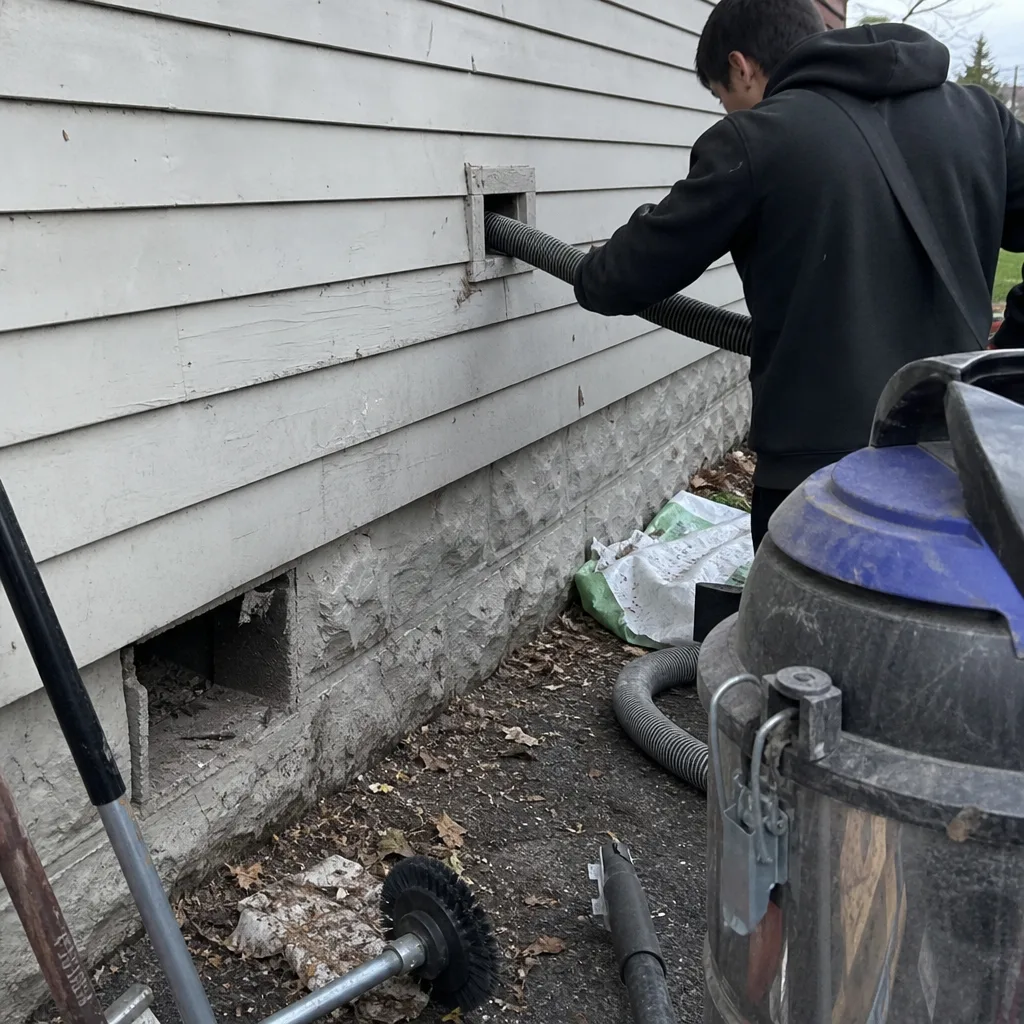
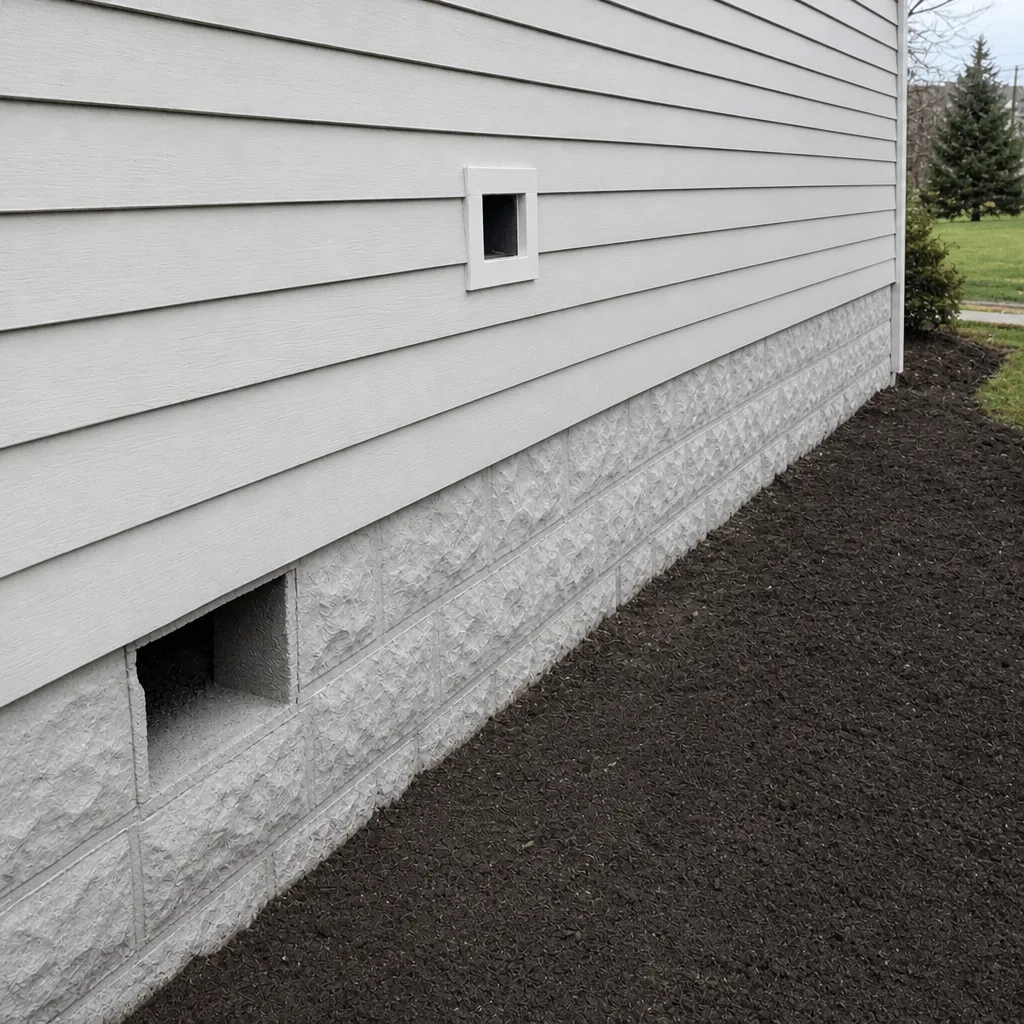
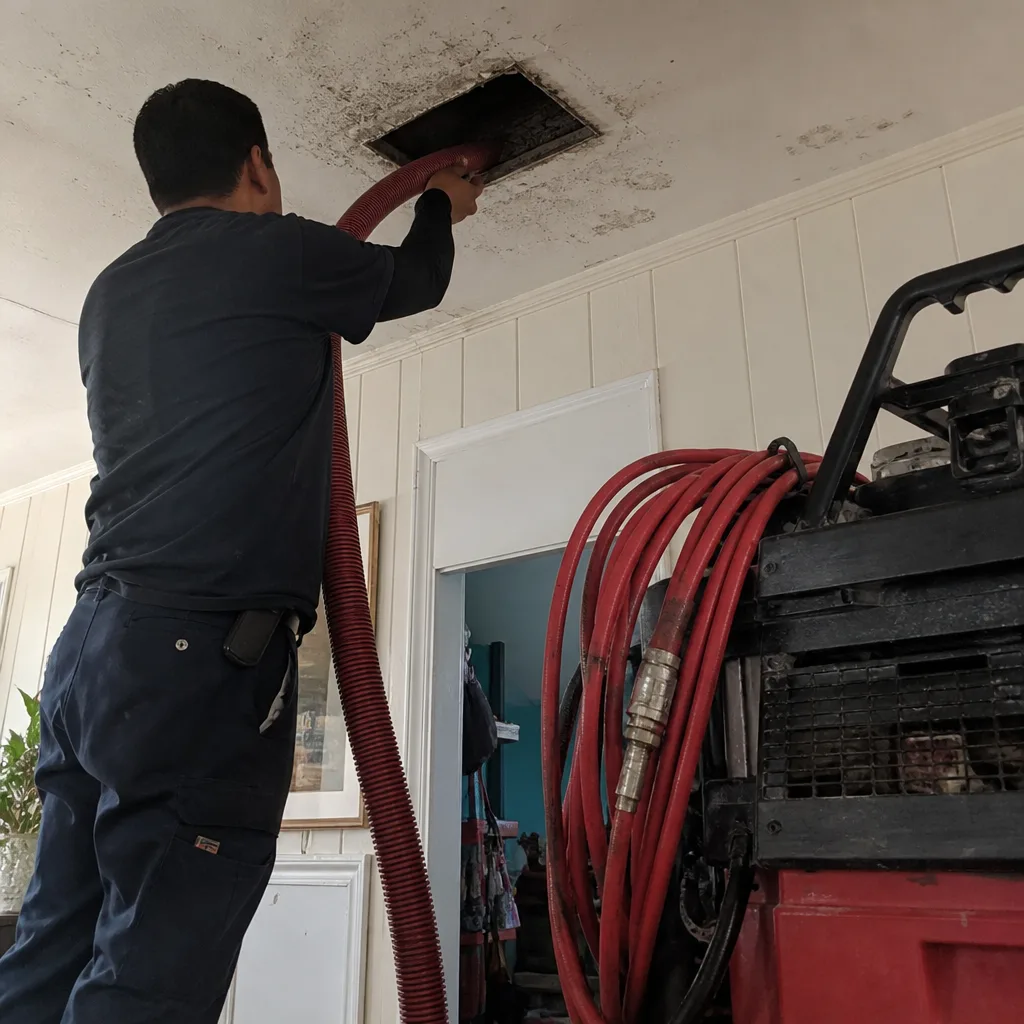
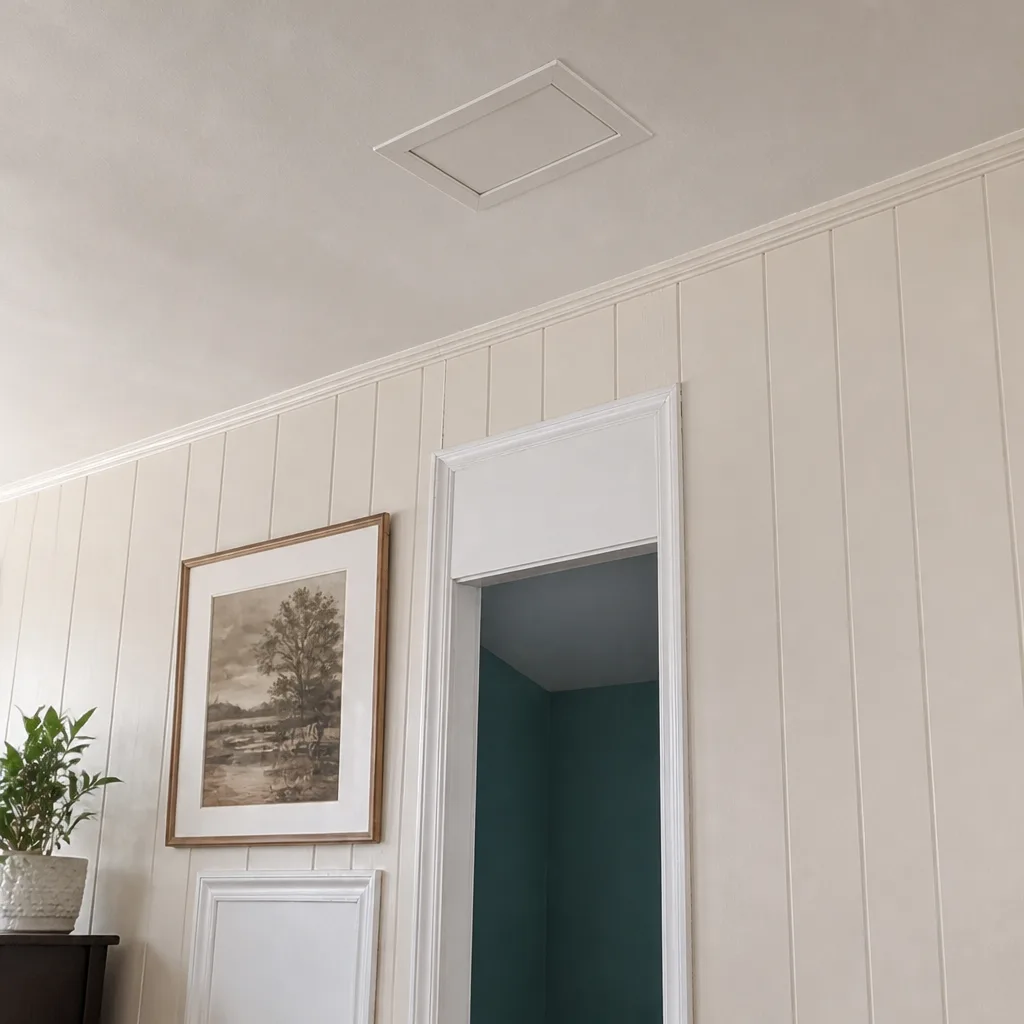
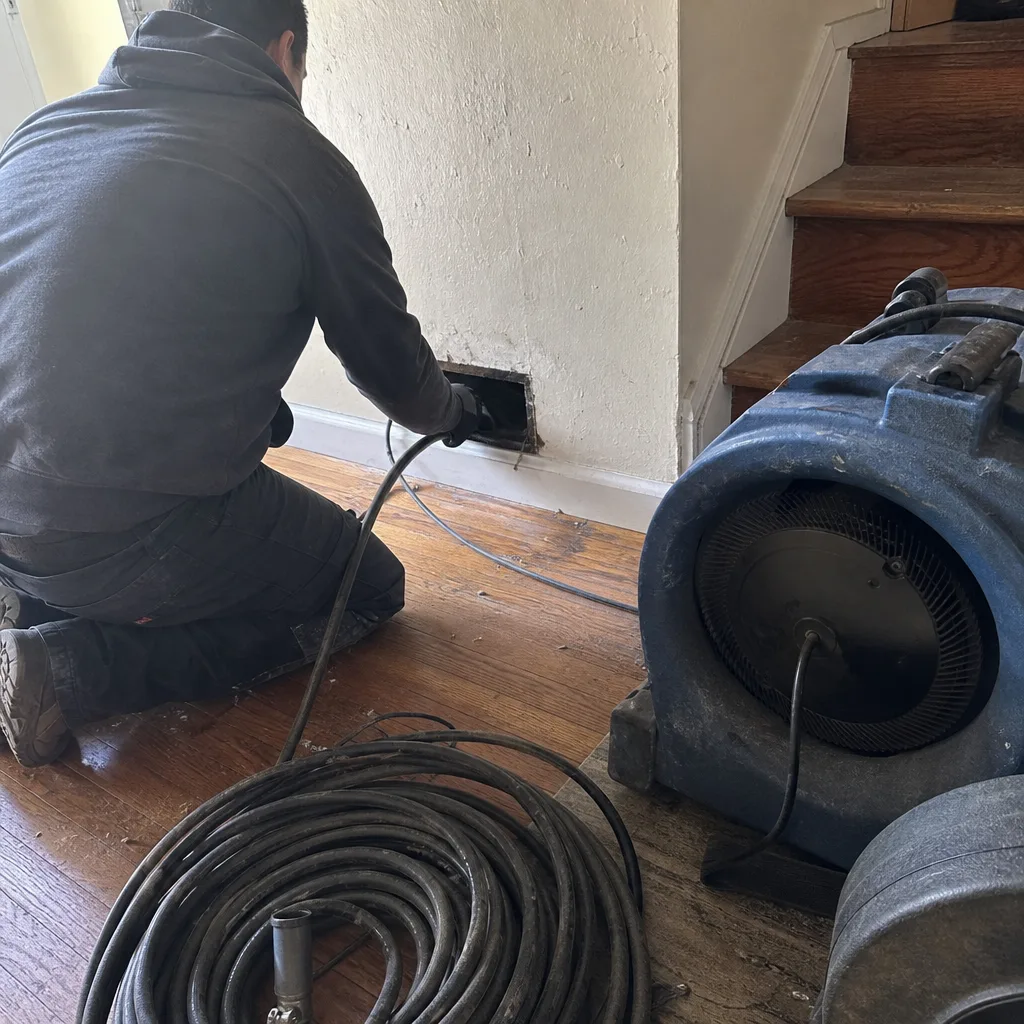
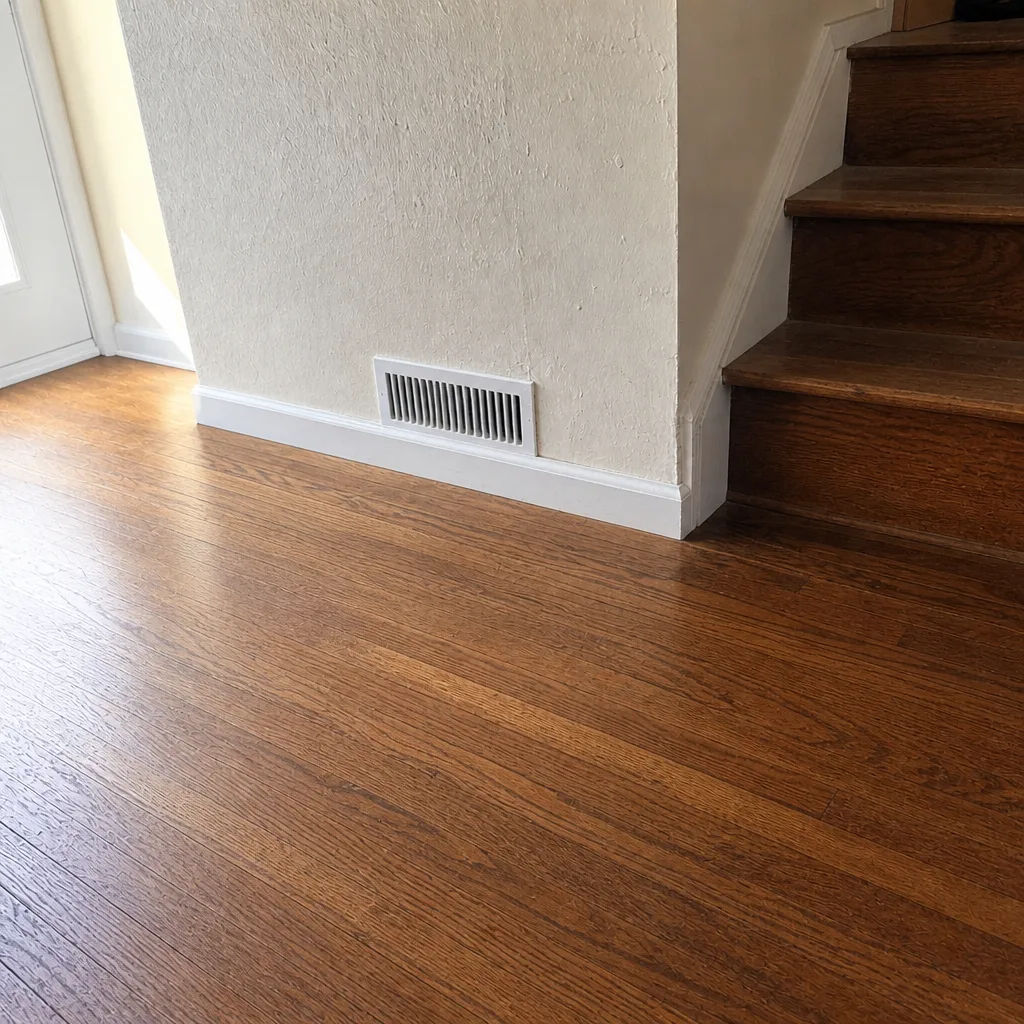
Whole-system duct and dryer vent check with before-and-after photos - you see exactly what came out of your vents
That "$99 whole-house special" is a bait ad - the real number appears once they are in your hallway, or the "clean" is a shop-vac at the register. We photograph the inside of your ducts before and after instead.
Seasonal Air Duct Cleaning Care for Throggs Neck: Year-Round Homeowner’s Guide
Most homeowners treat duct cleaning as a once-and-done chore, something you schedule when the registers look dusty or the house smells stale. Here’s the counterintuitive part: the worst time to think about your ducts is when you notice a problem. By then whatever collected inside them over six months has already cycled through every room. Throggs Neck runs on four distinct seasonal cycles, and each one deposits something different into the ductwork. This guide breaks the year into specific months and specific tasks, so you can get ahead of the buildup instead of reacting to it.
Quick Answer
Seasonal air duct cleaning care in Throggs Neck means matching the work to what each season actually brings: pollen and construction dust in spring, humidity and mold risk in summer, rodent intrusion and first-run furnace combustion risk in fall, and pressure-driven particulate in winter. The most useful approach is one thorough professional cleaning timed to late summer or early fall, supported by simple homeowner checks at each seasonal transition.
Styles & brands we work with
- Whole-home duct cleaning
- Dryer vent cleaning
- Camera inspection
- Sanitizing & deodorizing
Table of Contents
- Why Seasonal Duct Care Matters More in Throggs Neck Than Most Places
- Spring: Pollen, Construction Dust, and the Pelham Bay Corridor
- Summer: Humidity, Condensation, and Mold Risk
- Fall: The Pre-Heating-Season Inspection
- Winter: Pressure Differentials and What to Watch at the Registers
- How to Time a Professional Cleaning Against the Seasonal Cycle
- Your Month-by-Month Duct Care Checklist
- Common Mistakes to Avoid
- When to Call a Professional
- Frequently Asked Questions
Why Seasonal Duct Care Matters More in Throggs Neck Than Most Places
Throggs Neck sits at a crossroads of conditions that keep a duct system busy all year. You have dense street trees pumping out pollen every spring. You have an ongoing stream of renovation and construction dust from older housing stock being updated. You have humidity that rises through the summer. And you have a long heating season that pushes air through the same channels for months at a stretch.
Each of those conditions leaves its own signature inside the ductwork. Pollen grains are small enough to ride through a standard filter and settle on duct walls. Construction dust carries heavier particles, drywall fines and silica, that drop out of the airstream at bends and junctions. Humidity lets mold spores find a foothold on any organic dust that has already collected. And heating season turns all of it into airborne material distributed into every room.
This is why a single annual cleaning placed at the right point in the year does more for your indoor air quality than two cleanings placed at random. The goal isn’t to clean constantly. It’s to clean at the moment the system is about to change modes, so the ducts carry a fresh start into the next season.
We’ve seen this pattern play out across the neighborhood, from the tight blocks near Bruckner Boulevard to the detached homes toward the water. The houses vary, but the seasonal rhythm doesn’t.
Spring: Pollen, Construction Dust, and the Pelham Bay Corridor
Spring in Throggs Neck brings two kinds of contamination at once. The first is tree and grass pollen, which peaks as the neighborhood greens up and the Pelham Bay corridor fills with airborne seed and dust. The second is construction dust, which arrives as residents update older homes and contractors cut, sand, and demo.
Both of these get pulled into your return system while the air conditioner starts running again. If the ducts went into winter carrying fall debris, spring adds a fresh layer on top of it. That’s why spring is the season to check your filtration before it becomes a season-long problem.
Spring tasks for a Throggs Neck homeowner
- Change the air filter at the start of the season and note the date. A filter that loaded up over winter is already bypassing air around its edges.
- Check the filter’s MERV rating against what your system actually needs. Higher isn’t automatically better if it chokes airflow.
- Look at the return grille. If it’s visibly coated with fine dust or pollen film, that material is reaching the filter at minimum and possibly the ducts.
- If any renovation is happening in or near the house, seal return grilles with plastic and tape until the work is done. Drywall dust travels.
- Walk the exterior and confirm the outdoor air intake (if you have one) isn’t pulling in pollen-heavy air next to a flowering tree.
For homes near the Pelham Bay corridor, the pollen load is genuinely higher than in more built-up blocks. When spring pollen hits during a stretch of dry, windy weather, ductwork that hasn’t been cleaned in a couple of years can show a visible film on the inside of registers within a few weeks. That film is your signal, not your alarm. It tells you a cleaning is due, not that something has gone wrong.
If you’re working with an IAQ system, spring is also a good time to confirm the Aprilaire or Honeywell controls are set for the season. Technicians who work with those systems regularly know how filtration and humidity control settings interact with duct cleanliness.
Summer: Humidity, Condensation, and Mold Risk
Summer is when duct cleaning stops being about dust and starts being about moisture. Cooling season creates condensation at the air handler and along the supply runs, and any dust that has settled in those areas becomes a food source for mold spores the moment humidity gets high enough.
Throggs Neck homes near the water and any partially below-grade spaces in the neighborhood carry a higher risk here. Cooler surfaces, higher ambient humidity, and less air movement in basement-adjacent ductwork all add up. The air handler itself is often where the problem starts, since the evaporator coil sits wet for months and pulls air across it constantly.
What to check in summer
- Look for condensation at the air handler, on the plenum, or along any visible duct run. Standing moisture anywhere near ductwork is a problem.
- Pay attention to a musty or earthy smell that shows up when the AC runs and fades when it cycles off. That pattern points to the cooling side of the system.
- Check the drip pan and drain line. A pan that holds water between cycles is feeding the humidity that feeds mold.
- Look at the inside of supply registers in basement-adjacent rooms. Dark speckling on the duct surface is worth investigating.
- If you run a dehumidifier, see whether it’s actually keeping the basement-adjacent space below the rest of the house. If it can’t, the ductwork is exposed to that humidity.
This is where professional-grade equipment matters. A shop vac and a brush can’t deal with mold spores in a duct system, because the moment you disturb them you send them into the living space. Our Abatement Technologies equipment is built for containment-grade work, and we pair it with a sanitizing treatment after cleaning so the surface condition is addressed, not just the visible dust. Air Quality & Sanitizing is its own service for exactly this reason.
If the smell and speckling are already there by July, don’t wait for fall. Call early. Call (866) 558-4773. We answer 24/7. Fast dispatch from 7am to 7pm, Sunday through Friday.
Fall: The Pre-Heating-Season Inspection
Late September is the pivot point. The heating system wakes up after months of dormancy, and whatever settled in the ducts over spring and summer gets distributed through every room on the first cold night you run the heat. That single first-run event is why fall is the most important transition on the calendar.
Fall also brings two specific problems that are easy to miss.
1. Rodent intrusion in unsealed duct sections
As temperatures drop, mice and other small animals look for a warm place, and unsealed or damaged duct sections in crawl spaces, garage ceilings, and exterior walls give them access. Once inside, they leave droppings, nesting material, and hair that then get pushed into living spaces when the heat comes on. Inspecting for gaps, torn insulation, and chewed flex duct before the first run is a real safety step, not a theoretical one.
2. Combustion byproduct from first-run furnace cycles
A furnace that sat idle for months can release a small amount of combustion byproduct and burning dust on the first few cycles. If the heat exchanger or venting has an issue, that gets worse. A pre-season HVAC cleaning and inspection addresses this, and our air duct cleaning service paired with HVAC cleaning is the two-part combination most Throggs Neck homes benefit from in fall.
Fall inspection checklist
- Change the filter before the first heat run, not after it.
- Walk the duct system and look for gaps, torn insulation, sagging flex runs, and animal activity.
- Confirm the return grilles are clean and unobstructed before the system starts pulling from every room.
- Run the heat for a few minutes with the windows closed and notice any odd smells. If they persist past the first couple of cycles, get it checked.
- Book a professional cleaning if the ducts haven’t been cleaned in the last 12 to 24 months, or if you found any sign of rodent activity.
Fall is the single best time to schedule duct cleaning in Throggs Neck, because the cleaning happens before the first-run distribution event, not after it. The air duct cleaning service in fall is timed to the season, not to a random appointment.
Winter: Pressure Differentials and What to Watch at the Registers
Once the heating system runs steadily through winter, your house sits under a constant pressure difference between the inside and the cold outside. Every exhaust fan, every draft, every gap in the building envelope changes that balance. When the pressure differential is unfavorable, more air gets pulled through filter bypass points, meaning it flows around the filter edges rather than through the filter media.
That bypass is the quiet problem. Your filter looks fine. Your ducts keep loading up with particulate anyway. Winter is when filter bypass matters most, because the system is running more hours per day than at any other time of year.
What to watch at the registers in winter
- Just inside the supply register. A film of dust on the duct wall right past the grille means the run is loading up.
- Dust trails on the register vanes. Linear streaks pointing into the room show which direction the particulate is being pushed.
- Static cling on nearby surfaces. Excessively dry winter air can make dust stick to furniture, walls, and TV screens. That’s a sign the particulate is arriving, not necessarily that the ducts are the source, but it’s worth investigating.
- Return grille loading. A return grille that clogs quickly in winter is either pulling a lot of particulate or running against a bypass problem.
- Filter seat. Check that the filter sits flush in its frame. Gaps at the corners and edges are the bypass paths.
For any home with a premium IAQ setup, winter is when Honeywell and Aprilaire controls earn their cost. If those systems are set up correctly, they help manage the particulate load. If they were installed but never properly configured, they can actually create a false sense of filtration that isn’t happening.
If the registers show heavy dust in early winter, that’s your cue to consider sealing as well as cleaning. Our Air Duct Cleaning Throggs Neck service page covers the full range, and duct repair and sealing is what turns a cleaning into a lasting result.
How to Time a Professional Cleaning Against the Seasonal Cycle
If you schedule one professional cleaning per year, the question is when. For most Throggs Neck homes, late August to mid-October is the best window. Here’s why.
- Spring and summer loading is complete. Pollen and humidity-driven buildup have already happened, so the cleaning removes a full season of accumulation.
- Heating season hasn’t started. You clean before the first-run distribution event, so the first cold night pushes clean air, not stored debris, through the house.
- Rodent activity gets caught early. Fall is when animals start moving. A cleaning now surfaces evidence and lets you deal with any gaps before winter.
- Duct repair and sealing can be done with the right weather. Sealing work is easier to verify and finish when the system isn’t running constantly.
- You get maximum service life from the cleaning. A fall cleaning covers the highest-load part of the calendar, so the system runs clean through the highest-traffic months.
Homes with a mold concern or persistent musty smell should be scheduled earlier, in July or August, before the fall window. Homes with visible dust at the registers in spring may need a cleaning that coincides with the end of construction work, then another at the fall pivot. There is no fixed rule for every house. The right timing depends on what’s actually in the ducts, and a professional assessment answers that in a single visit.
If you’re managing multiple units as a property manager, the same logic scales. Stagger cleanings so the highest-use units are cleaned in the fall window, and keep the lighter-use units in the spring window.
Your Month-by-Month Duct Care Checklist
Here’s the whole year on one page. Print it, or save it to your phone. Each entry is a small task, and the value is in doing it at the right time rather than all at once.
March
- Change the air filter and note the date.
- Inspect the return grilles for pollen film.
- Confirm the outdoor intake isn’t sitting under a flowering tree.
April
- If construction or renovation is planned, seal return grilles before work starts.
- Check register dust in high-traffic rooms.
- Schedule a professional assessment if the ducts haven’t been cleaned in a couple of years.
May
- Confirm filter rating matches the system’s airflow.
- Look for a film of dust just inside supply registers.
- If you run an IAQ system, have the filtration and humidity settings verified.
June
- Look for condensation at the air handler and along visible duct runs.
- Check the drip pan and drain line.
- Note any musty smell that shows up when the AC runs.
July
- Inspect supply registers in basement-adjacent rooms for dark speckling.
- Assess your dehumidifier’s actual effectiveness.
- If musty odor or visible speckling is present, book a sanitizing service rather than waiting for fall.
August
- Best month to schedule the annual professional cleaning and end-of-summer system inspection.
- Walk the duct system for rodent activity and gaps.
September
- Change the filter before the first heat run.
- Run the heat briefly with windows closed and notice any smells.
- Confirm the fall cleaning is booked if it isn’t already.
October
- Inspect visible duct sections for chewed insulation or animal activity.
- Verify return grilles are unobstructed.
- Have any duct gaps sealed before cold weather settles in.
November
- Watch the registers for early-winter dust.
- Check the filter seat and corners for gaps.
December through February
- Look for dust trails and static cling indicating particulate loading.
- Change the filter mid-season if it’s visibly loaded.
- If any sign of mold or persistent odors appears, call. Don’t wait for spring.
A dryer vent is its own seasonal concern, and it’s easy to forget because it’s separate from the HVAC system. Lint buildup in a dryer vent is a fire risk, and regular cleaning handles it. Our dryer vent cleaning service is part of the same household air-care routine, and many Throggs Neck homeowners add it to the fall appointment for that reason.
Common Mistakes to Avoid
- Cleaning only when air quality problems appear. By the time a musty smell or visible register dust shows up, the buildup has been building for months. Cleaning on the seasonal calendar prevents that.
- Assuming a higher-MERV filter is always better. A filter that exceeds your system’s airflow spec causes bypass and starves the unit. Match the filter to the equipment, not to marketing claims.
- Ignoring gaps in the duct system. Cleaning removes what’s inside, but the same gaps that let particulate back in still exist. Duct repair and sealing is what makes a cleaning last through the next heating season.
- Skipping the pre-heating-season inspection. The first-run distribution event sends whatever sat in the ducts all summer through the house. A fall check catches it before that happens.
- Treating a dryer vent as a separate, lower-priority task. Clogged dryer vents are a real fire risk, and the vent should be cleaned on its own schedule, not only when you notice the dryer taking longer.
- Calling a general handyman for a mold or allergen concern. Mold in a duct system requires containment-grade equipment and a treatment plan. A shop vac can spread spores through the house rather than remove them.
- Cleaning without confirming what actually got cleaned. Ask for before-and-after documentation of your own ducts. A professional service should be able to show you the starting and ending condition, not just describe it.
When to Call a Professional
Some things a homeowner can manage: filter changes, register inspections, grille sealing during renovation. Some things need professional equipment and the training to use it. Call us when any of these are true:
- You smell a musty, earthy odor that appears when the AC runs.
- You see dark speckling inside supply registers, particularly in basement-adjacent rooms.
- You find evidence of rodents in visible duct sections or insulation.
- The ducts haven’t been cleaned in a couple of years and registers are visibly dusty.
- You’ve just finished a renovation that produced substantial dust.
- A family member has allergies or asthma that seem tied to being indoors.
- Your heating system emits an unusual smell beyond the first couple of cycles.
Air Duct Cleaning Throggs Neck offers free estimates in Throggs Neck. Call (866) 558-4773. We answer 24/7. Fast dispatch from 7am to 7pm, Sunday through Friday. A written estimate sets the price per job before any work starts, so there’s no surprise once the technician is on site.
Frequently Asked Questions
Every 12 to 24 months for most homes, with a single cleaning timed to the late summer or early fall window. Homes with pets, recent renovation, a mold concern, or anyone with respiratory sensitivities often do better with annual cleaning. Homes with no pets and no renovation history can sometimes stretch to two years. Schedule the cleaning at the seasonal pivot, not at a random time, so the cleaning benefits the highest-demand part of the year.
Yes, for most homes. Fall cleaning happens before the first-run heating distribution event, so whatever sits in the ducts during the summer doesn’t get blown through every room. Fall also aligns with the rodent-intrusion window, which means problems get caught early. Homes with a mold concern should schedule earlier, in July or August. Call (866) 558-4773 for an exact recommendation based on your home.
Yes, especially in Throggs Neck homes near the water or with partially below-grade spaces. Cooling-season condensation wets the air handler and duct surfaces, and any dust that’s already accumulated becomes a food source for mold spores once humidity stays high enough. Musty smell that appears when the AC runs is the classic signal. Air Quality & Sanitizing exists for exactly that scenario.
The price depends on the size of the system, the number of runs, and whether repair, sealing, or sanitizing is part of the job. We set one flat price per system, agreed in the written estimate before work begins. There’s no per-vent pricing and no teaser figure that turns into a different invoice on site. Call (866) 558-4773 for a free estimate.
Cheap quotes usually come from a truck-mounted vacuum with a single pass and no real containment, or from a per-vent price that adds up quickly once the technician is in your home. Professional-grade equipment from Rotobrush or Abatement Technologies, along with documentation of before-and-after condition, costs more to run. A low quote that becomes a much larger bill is the industry’s biggest bait-and-switch problem. Call (866) 558-4773 for an honest estimate you can compare.
Ask for before-and-after photos of your own ducts. Any professional cleaning should include that documentation. Air Duct Cleaning Throggs Neck works from that standard, and the written estimate plus the photos give you an objective record. If a provider can’t show you the starting and ending condition, treat that as a warning sign. Call (866) 558-4773 to schedule an estimate.
The Bottom Line
Seasonal duct care is mostly about timing. Spring brings pollen and construction dust. Summer brings humidity and mold risk around the air handler. Fall brings rodent intrusion and first-run combustion byproduct. Winter brings pressure-driven particulate that slips past filter edges. The single best move for most Throggs Neck homes is one professional cleaning placed in the late summer or fall window, backed by simple homeowner checks at each seasonal transition. If you want to time your cleaning correctly or you’re seeing signs that need professional attention, call (866) 558-4773. We answer 24/7. Fast dispatch from 7am to 7pm, Sunday through Friday.
Written by the team at Air Duct Cleaning Throggs Neck.
See the difference
 Before
 After
 Before
 After
 Before
 After