
Last updated November 25, 2026
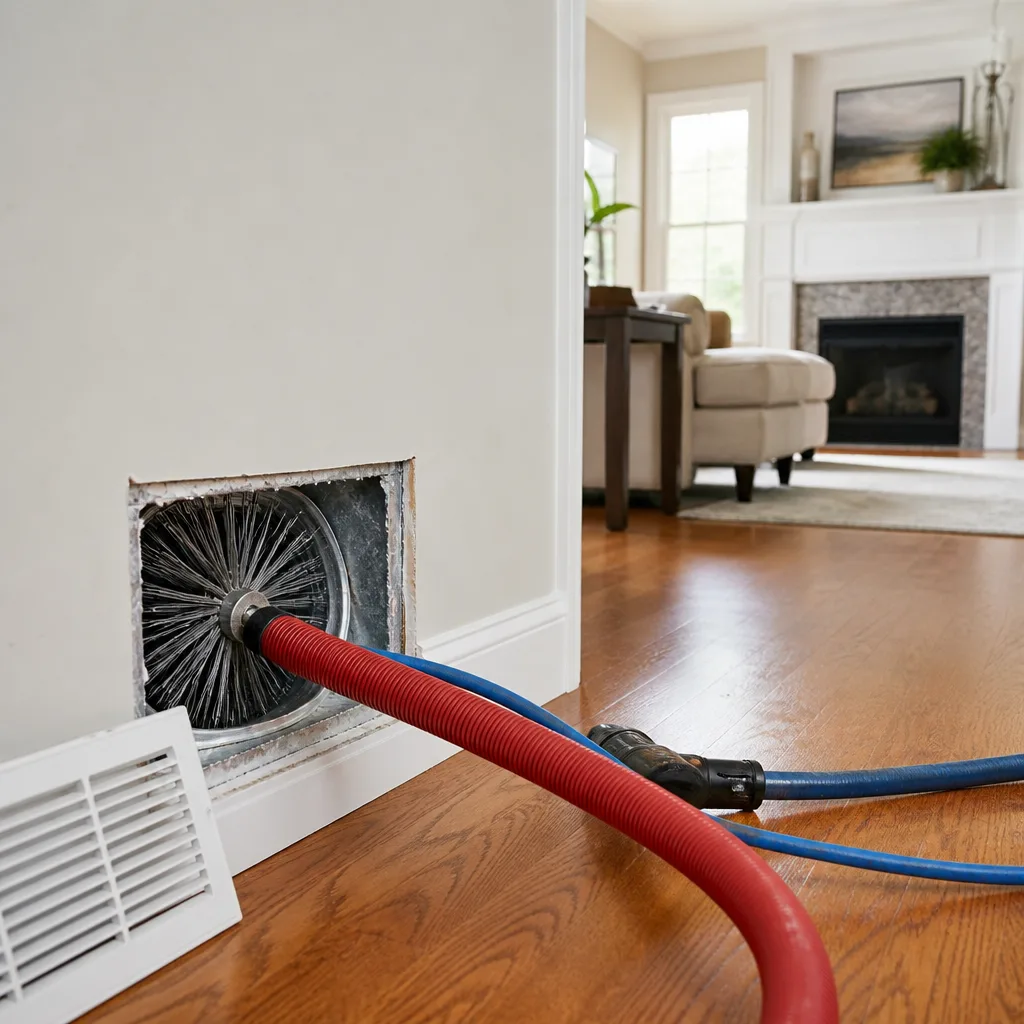 Whole-home duct cleaning
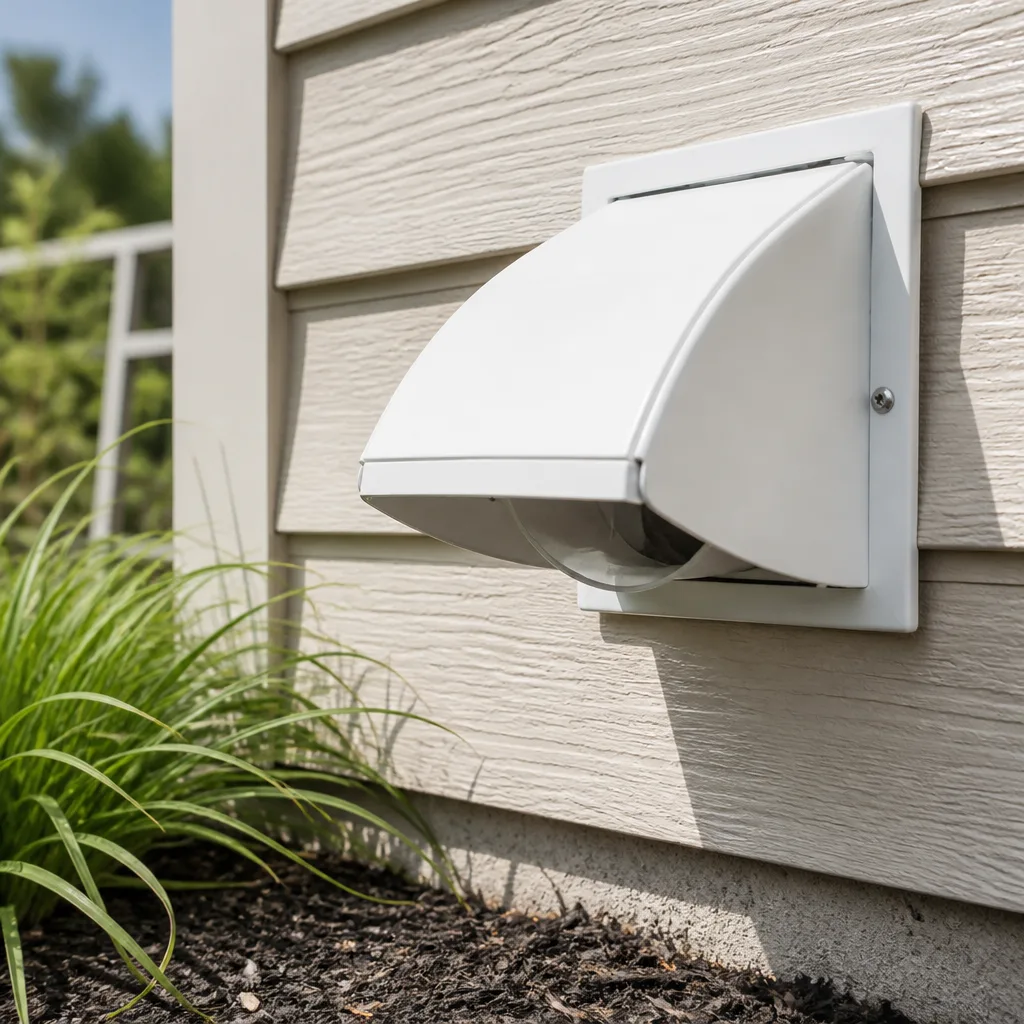 Dryer vent cleaning
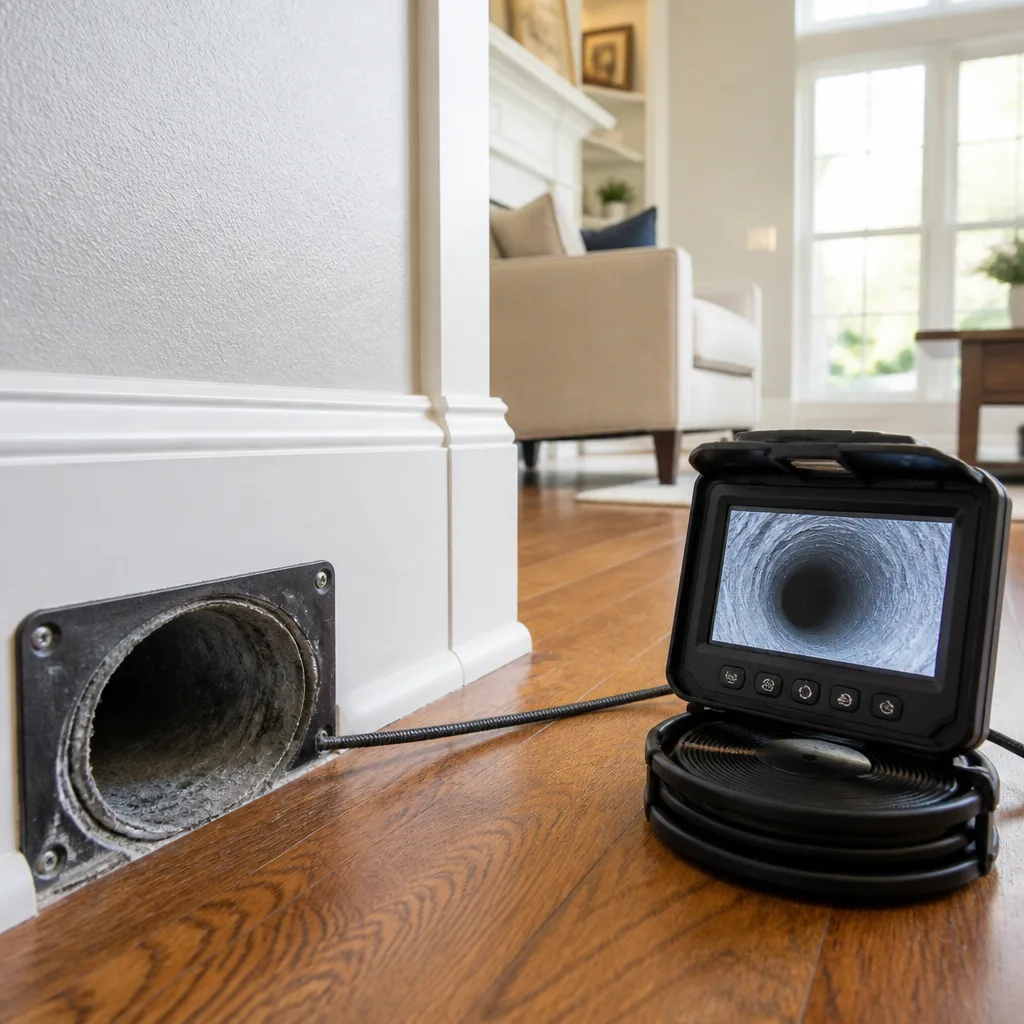 Camera inspection
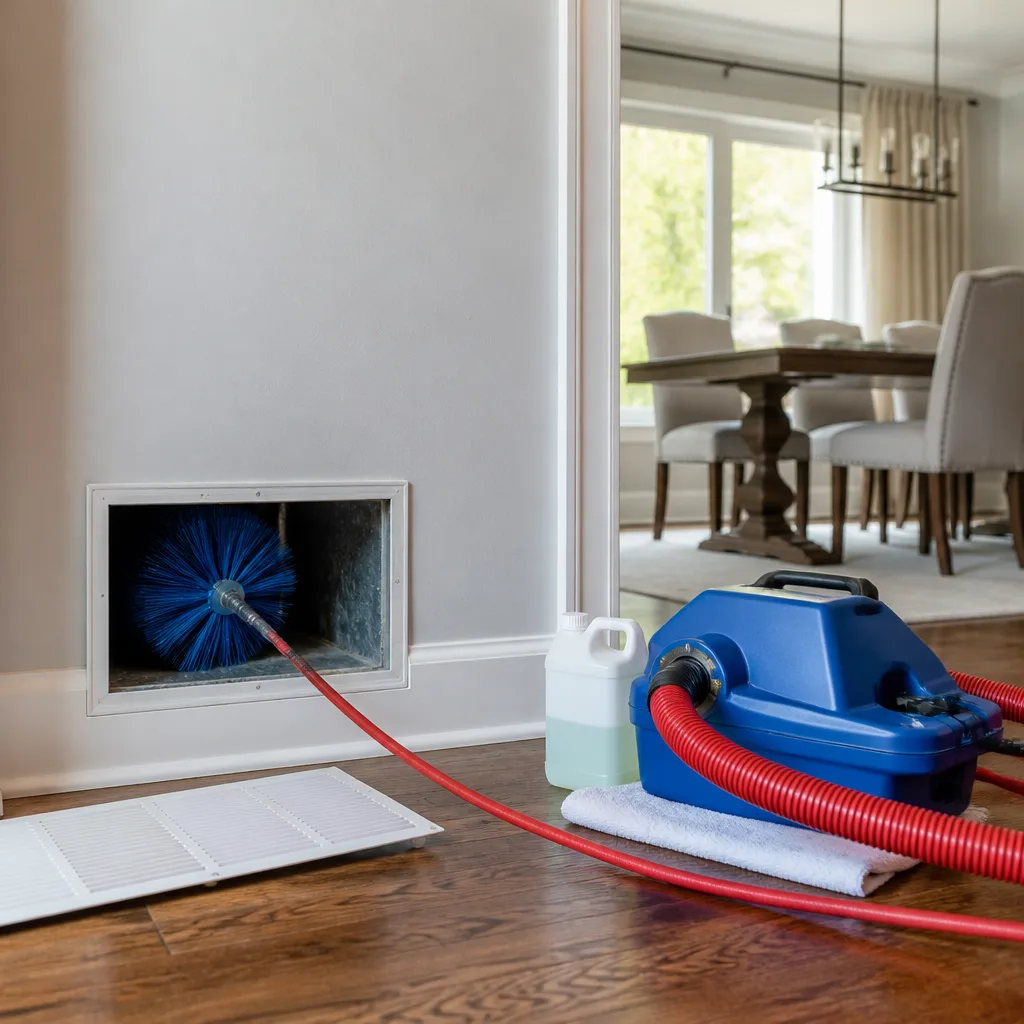 Sanitizing & deodorizing
Whole-system duct and dryer vent check with before-and-after photos - you see exactly what came out of your vents
That "$99 whole-house special" is a bait ad - the real number appears once they are in your hallway, or the "clean" is a shop-vac at the register. We photograph the inside of your ducts before and after instead.
Air Duct Cleaning Cost Breakdown: The Throggs Neck Homeowner’s Reference for 2026
An $89 special and a $650 quote can both be labeled “air duct cleaning,” and one of them might not actually clean the ducts. That’s the part nobody explains before the van pulls up. The low figure usually covers a surface pass at the visible registers, while the higher one covers the air handler, the main trunk, the plenum, and cutting and re-sealing proper access points. In a Throggs Neck two-family with decades of accumulated dust load, the difference between those two scopes is the whole job. This guide breaks 2026 costs into labor and equipment terms so you can line up quotes on equal footing and see exactly what you’re paying for.
Quick Answer
Typical air duct cleaning in Throggs Neck in 2026 runs about $350 to $700 for a single-family home, $450 to $900 for a two-family, and $700 to $1,600 for a small multifamily building, depending on the number of systems, register count, and how much contamination has built up. Per-register quotes that land under $150 almost never include the plenum, main trunk, or air handler, which is where the heaviest load sits. The written estimate should fix one flat price per system before any work starts.
Styles & brands we work with
- Whole-home duct cleaning
- Dryer vent cleaning
- Camera inspection
- Sanitizing & deodorizing
Table of Contents
- Per-Register vs. Whole-System Pricing: What the Difference Costs You
- 2026 Throggs Neck Market Rate Ranges by Home Type
- Equipment Cost Drivers: Why Negative-Air Capacity Changes the Price
- Line Items a Legitimate Quote Should Include
- Legitimate Add-Ons vs. Reflexive Upsells
- Why Throggs Neck Housing Stock Shapes the Scope of Work
- How to Compare Two Quotes Line by Line
- Common Mistakes to Avoid
Per-Register vs. Whole-System Pricing: What the Difference Costs You
Per-register pricing charges a set amount for each vent and treats the registers as the entire job. Whole-system pricing charges for the full duct assembly: every supply and return run, the main trunk line, the plenum above the air handler, and the air handler cabinet itself. The gap between the two models is not markup. It’s the difference between cleaning the places you can see and cleaning the places the contamination actually collects.
Here’s why that matters in a Throggs Neck home. Gravity and airflow both push debris toward the same points. Fine dust, pet dander, and lint ride the supply runs and settle in the trunk line and plenum. The registers at the end of each branch are the cleanest part of the system by the time air reaches them. A quote built on register count is charging you for the least contaminated surface in the house.
The two models also behave differently when the home has more than one system. A two-family with a furnace and air handler per unit has two air handlers, two plenums, and two trunk lines. Per-register pricing often quotes a single per-vent rate and quietly ignores the second system’s plenum and cabinet. Whole-system pricing is quoted per system, so a two-family quote should double the system count, not just the vent count.
When you request air duct cleaning, ask one question first: is this quote priced per register or per system? If the answer is per register, ask directly whether the plenum, main trunk, and air handler are included. A specialist will answer without hesitation. A coupon operation usually won’t.
Whole-system pricing also sets up the flat-price model fairly. One price per system, agreed in writing before the technician opens a single access panel, removes the bait-and-switch risk entirely. You’re not watching a per-vent tally climb as the job grows.
2026 Throggs Neck Market Rate Ranges by Home Type
Rates in the Throggs Neck market cluster around home type and system count rather than square footage alone. Below are the typical 2026 ranges for a properly scoped whole-system job. Treat these as estimates; the written estimate sets the final price.
- Single-family home, one system: $350 to $700. The low end covers a straightforward one-story layout with easy access and moderate buildup. The high end reflects a finished basement, a second story with long runs, or heavy contamination from pets or recent renovation.
- Two-family home, two systems: $450 to $900. The low end is two clean, accessible systems. The high end is two systems with separate air handlers in tight mechanical spaces and long trunk runs.
- Small multifamily building, three or more systems: $700 to $1,600. The low end is three compact systems under one roof. The high end is four or more systems, mixed duct types, or units that haven’t been cleaned in many years.
- Light-commercial space: quoted per system after an on-site walkthrough, since rooftop units and exposed spiral duct price differently from residential trunk and branch.
What pushes a quote toward the high end of any range? Multiple stories with long branch runs, a mechanical closet too tight for full negative-air setup, a mix of rigid trunk and flex branch, heavy lint or dander load, and any past water intrusion that left the ducts needing sanitizing after cleaning. What keeps it at the low end? One accessible system, few registers, low buildup, and a homeowner who knows the duct history.
Neighborhood-level access matters too. In parts of Throggs Neck where driveways are narrow and the mechanicals sit in a basement with a low ceiling, setup takes longer and the equipment has to be staged carefully. That’s labor time, and it shows up honestly in a whole-system quote rather than appearing as a surprise add-on.
Equipment Cost Drivers: Why Negative-Air Capacity Changes the Price
The single biggest equipment variable in a duct cleaning quote is the negative-air machine. A portable unit pulls a few thousand cubic feet per minute at best. A truck-mount negative-air system with 10,000+ CFM capacity pulls the whole duct assembly under strong vacuum while an agitation tool breaks debris loose inside each run. The higher capacity costs more to operate, and that cost is real.
Why does capacity matter? Duct cleaning only works when debris is captured, not just disturbed. A low-capacity vacuum loosens dust inside a run but can’t hold it against the pull of a long trunk line, so some of it settles back downstream. Higher negative-air capacity keeps the entire assembly under continuous pull, so what the agitation tool frees gets carried out of the system instead of redistributed through it.
The agitation side matters as much as the vacuum. Professional systems like Rotobrush and Nikro use rotating brush and air-whip tools sized to the duct type, which is why they’re standard in certified contractor operations. A consumer-grade shop vac with a brush attachment is not a substitute, no matter how thorough the operator is.
When is the premium capacity worth it? Multi-story homes in Throggs Neck, where long vertical runs and several branch takeoffs mean a portable unit can’t maintain pull at the farthest register. Two-families with two systems sharing tight mechanical space. Any home where past cleaning was done with a portable unit and dust returns within a few months. When the system is one short, accessible run in a small single-family, a lower-capacity setup with proper agitation still does the job.
Containment-sensitive work is its own equipment tier. When a job involves mold spores, heavy allergen load, or post-remediation cleaning, containment-grade equipment from Abatement Technologies keeps the work zone sealed and prevents cross-contamination into the living space. That’s a different setup than routine cleaning and prices accordingly. If you have a premium IAQ system from Honeywell or Aprilaire in the home, the technician should also know how to work around it without disturbing the controls or sensors, which is a competence question more than a cost one.
Line Items a Legitimate Quote Should Include
A quote that lists only “air duct cleaning” tells you nothing. A legitimate 2026 quote itemizes the work. Here are the line items that should appear on any whole-system proposal for a Throggs Neck home:
- Pre-cleaning inspection and photographic documentation. The technician inspects accessible duct interiors with a camera before starting and records the condition, so before-and-after photos of your own ducts exist as proof the work happened.
- Register and grille removal and reinstallation. Every supply and return register comes off so the branch runs can be reached, then goes back and is reinstalled properly.
- Access point cutting and re-sealing. Duct cleaning requires cutting access openings in the trunk line and plenum, then sealing them afterward with proper materials so the system stays airtight. This is work, and it should be priced in.
- HEPA vacuuming at the air handler. The air handler cabinet and blower compartment collect the heaviest debris load and get vacuumed with HEPA filtration before the rest of the system is cleaned.
- Negative-air cleaning of every supply and return run. Every reachable branch gets agitation under continuous vacuum, not just a pass at the registers.
- Main trunk and plenum cleaning. The highest-load sections of the system, cleaned under full negative-air pull.
- Post-cleaning verification. A final inspection confirms the runs are clear and the access seals are tight.
If a quote leaves out access cutting and re-sealing, it’s not doing the trunk line. If it leaves out HEPA vacuuming at the air handler, it’s skipping the dirtiest compartment in the system. If it leaves out register removal, it’s cleaning around the grilles instead of through them. Any of those omissions turns a “cheap” quote into an incomplete one. Ask for the itemized list in writing, and line up two quotes side by side against these seven points.
Legitimate Add-Ons vs. Reflexive Upsells
Two add-ons cause the most friction in duct cleaning quotes: antimicrobial treatment and duct sealing. Both are real services with real value. Both get recommended reflexively by operators who pad the invoice. Here’s how to tell the difference.
Antimicrobial treatment is legitimately warranted when:
- A camera inspection shows visible mold growth inside the ducts, not just dust.
- The home has had water intrusion or a long-standing moisture problem that reached the duct system.
- A healthcare provider or building manager has flagged an indoor air quality concern that points to the ducts.
- Post-remediation cleaning follows mold or water damage work and a sanitizing pass is part of the protocol.
Antimicrobial treatment is an upsell when: the technician recommends it before looking inside the ducts, bundles it into the quote without stating a finding, or presents it as routine for every home. Routine cleaning with proper vacuuming removes the dust and dander that feed mold growth. Treatment without a visible problem is solving something that isn’t there.
Duct sealing is legitimately warranted when:
- Access openings in the trunk and plenum are found leaking during the inspection.
- Visible gaps or disconnected joints exist in the duct runs, common in older Throggs Neck homes where original ductwork has shifted or been patched over the years.
- The system was recently cleaned and dust returns faster than expected, a sign of unfiltered air being drawn in through leaks.
Duct sealing is an upsell when: it’s quoted without any inspection of the joints, or proposed as a “package” alongside cleaning before the technician knows the duct condition. Sealing has a real purpose: it keeps a cleaned system clean and restores pressure balance. It should be priced separately, explained against a specific finding, and offered only when that finding exists. Our HVAC cleaning work routinely surfaces the leaks that justify sealing, so the recommendation is grounded in what the inspection shows, not a script.
Why Throggs Neck Housing Stock Shapes the Scope of Work
Throggs Neck is dominated by mid-century and older housing: brick and frame single-families, two-families with separate mechanicals, and small multifamily walk-ups. That housing stock determines how much work a duct cleaning job actually involves, far more than square footage does.
Older Bronx homes typically run original sheet-metal trunk lines with branch runs that have been added, extended, or patched over the decades. Those joints leak, and when they leak they pull in unconditioned basement air and dust along with it. A cleaning that doesn’t account for leaked-in debris will be undone within months by the same leak path. That’s why we treat duct repair and sealing as part of the same conversation as cleaning: the system comes out cleaner and stays cleaner when the leaks are found and closed in the same visit.
Heating systems also vary block by block in this part of the Bronx. Homes with forced-air furnaces, hot-water baseboard with an added central air handler, and mixed configurations all present different duct geometries, which affects how much time the technician needs to reach every run. A home with a finished basement and a low-ceiling mechanical closet takes more setup than one with an open, accessible air handler. That difference shows up in the quote as labor, honestly stated.
Our technicians have up to 9 years of experience working in exactly this kind of housing, and the equipment we work with is the professional-grade standard the trade uses. The dryer vent cleaning side of the work matters here too, because older homes often have long, hidden dryer runs with lint buildup that poses a real fire risk. Clean ductwork and a clear dryer vent are a full-system safety concern, not separate luxuries.
How to Compare Two Quotes Line by Line
Comparing quotes on price alone is the whole problem. Comparing them on scope is how you find the real number. Here’s a step-by-step method:
- Ask whether each quote is priced per register or per system. Write the answer down next to each quote.
- Check for the seven line items above. Access cutting and re-sealing, register removal, and HEPA vacuuming at the air handler are the three most commonly omitted.
- Ask each contractor what equipment they’re bringing. Negative-air capacity, agitation tools (Rotobrush, Nikro, or equivalent), and whether the air handler gets a HEPA pass.
- Ask for the system count. A two-family with two air handlers should be quoted for two systems. A quote that lists one has skipped a system.
- Ask for a written flat price per system. No per-vent tally, no coupon-driven base that grows on site.
- Ask whether before-and-after photos are included. If the contractor doesn’t document the work, you have no way to confirm it was done.
- Request a free estimate in writing so the quote you compare is the quote you’d be billed against.
Once two quotes are lined up against the same scope, the spread usually narrows fast. The $89 special and the $650 quote aren’t the same product, and the line-by-line comparison makes that obvious.
Common Mistakes to Avoid
- Comparing a per-register quote to a per-system quote. They cover different work, so their prices aren’t comparable. Insist both quotes name their pricing model.
- Choosing on the coupon price alone. A steeply discounted base price usually signals scope that stops at the registers. Ask what the finished work includes before you book.
- Accepting an add-on before any inspection. Antimicrobial treatment or duct sealing recommend before the technician has looked inside is an upsell. Legitimate recommendations come from a finding, not a script.
- Letting a quote omit access cutting and re-sealing. Without it, the trunk line and plenum don’t get cleaned and duct integrity isn’t restored. The apparent savings aren’t savings.
- Skipping the dryer vent in a home with a long laundry run. Older Throggs Neck homes often hide a long dryer vent behind finished walls. Lint buildup there is a genuine fire risk and worth checking in the same visit.
- Not asking for photos. Before-and-after photos of your own ducts are the simplest proof the work happened. If the contractor doesn’t document, ask why.
- Ignoring signs the system needs cleaning. Visible dust around registers, musty smell on startup, and allergy symptoms that worsen indoors point to a system worth inspecting. Waiting doesn’t improve the scope of work.
See the difference
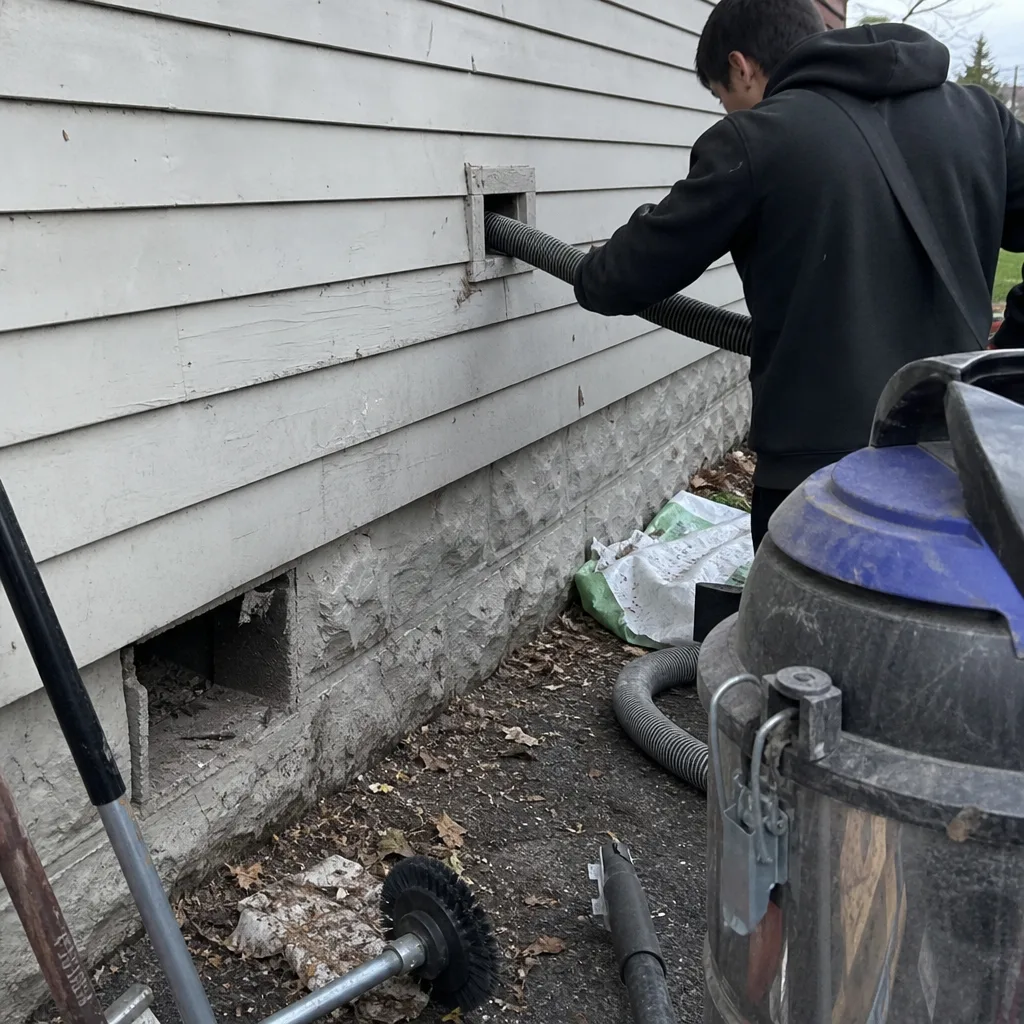 Before
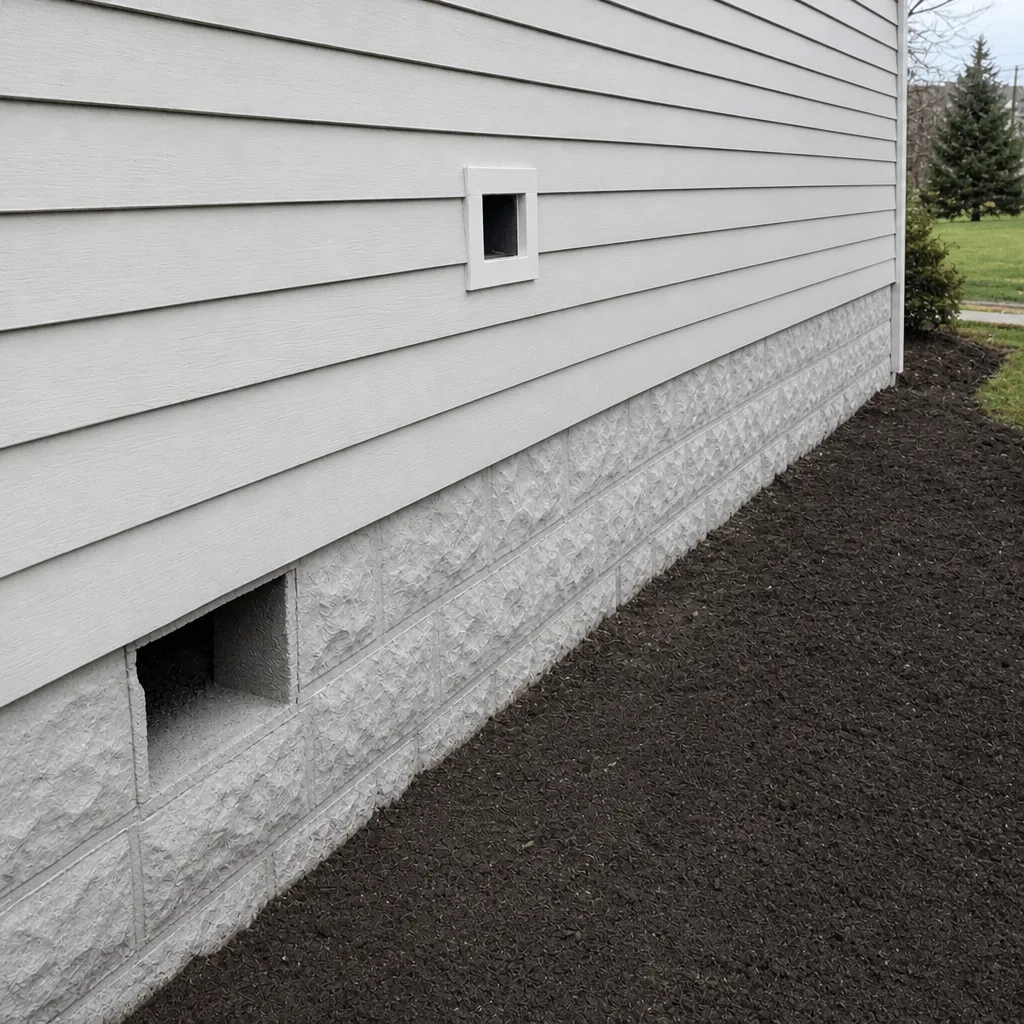 After
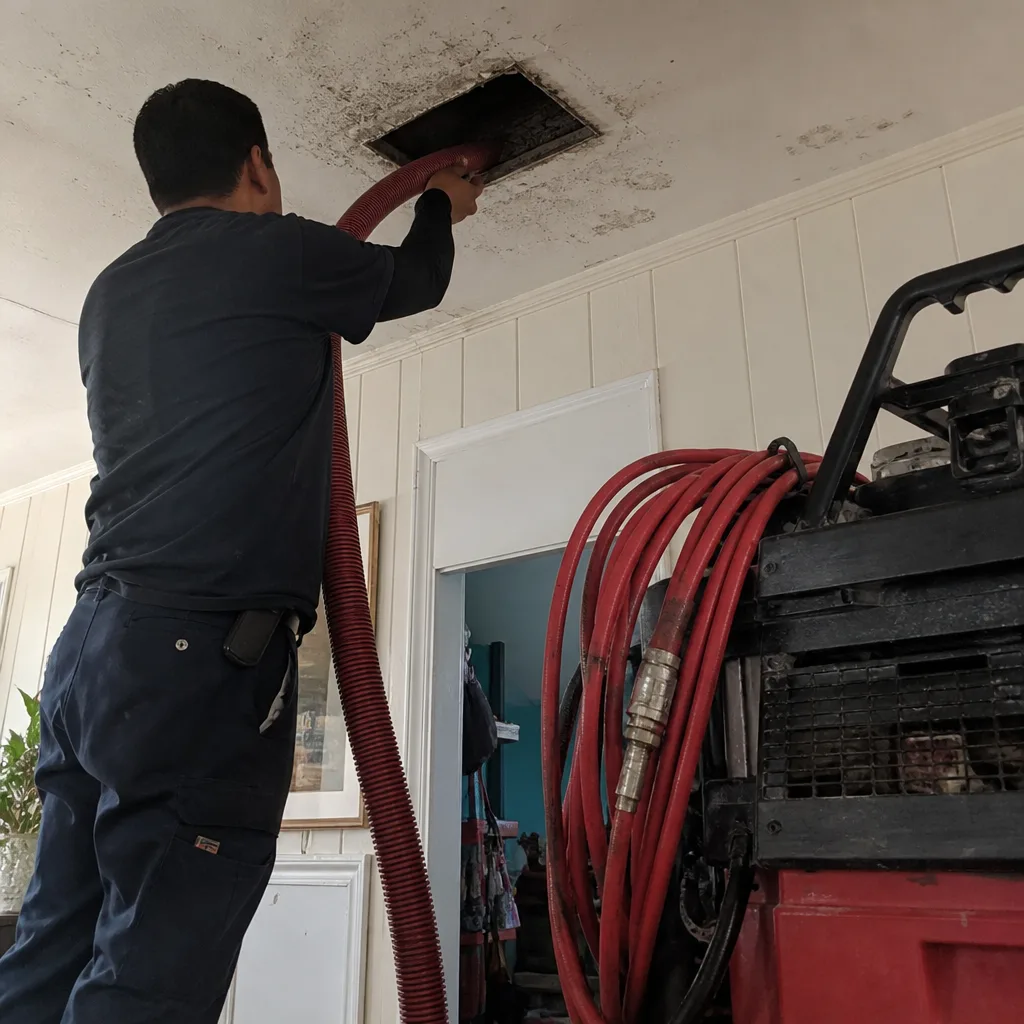 Before
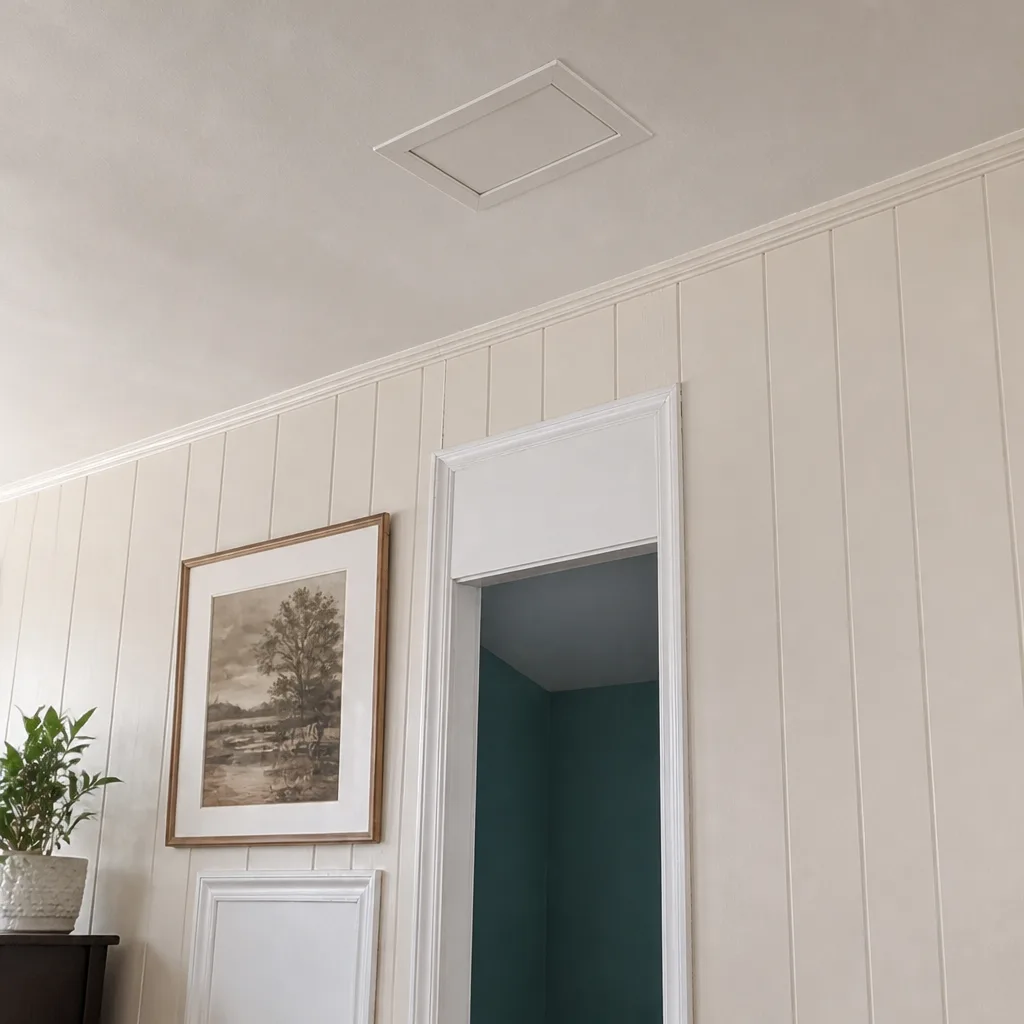 After
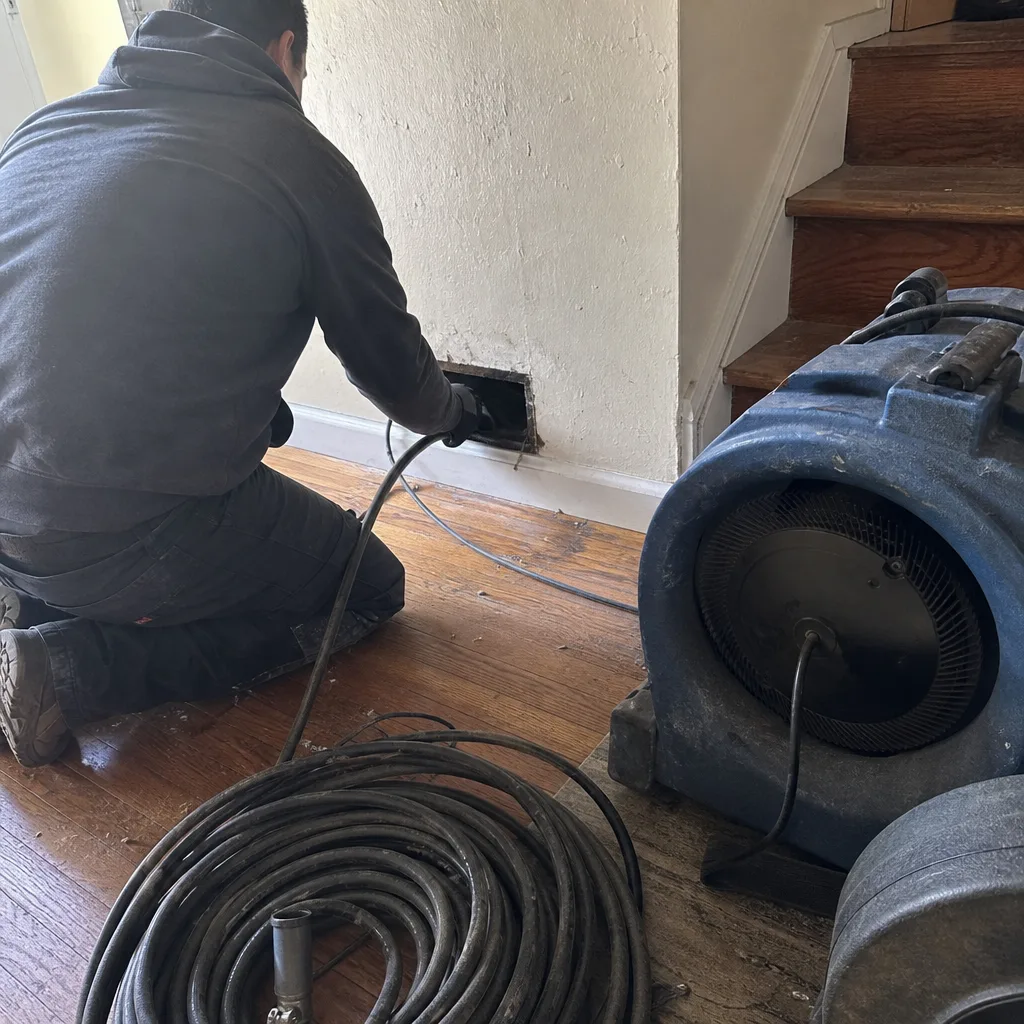 Before
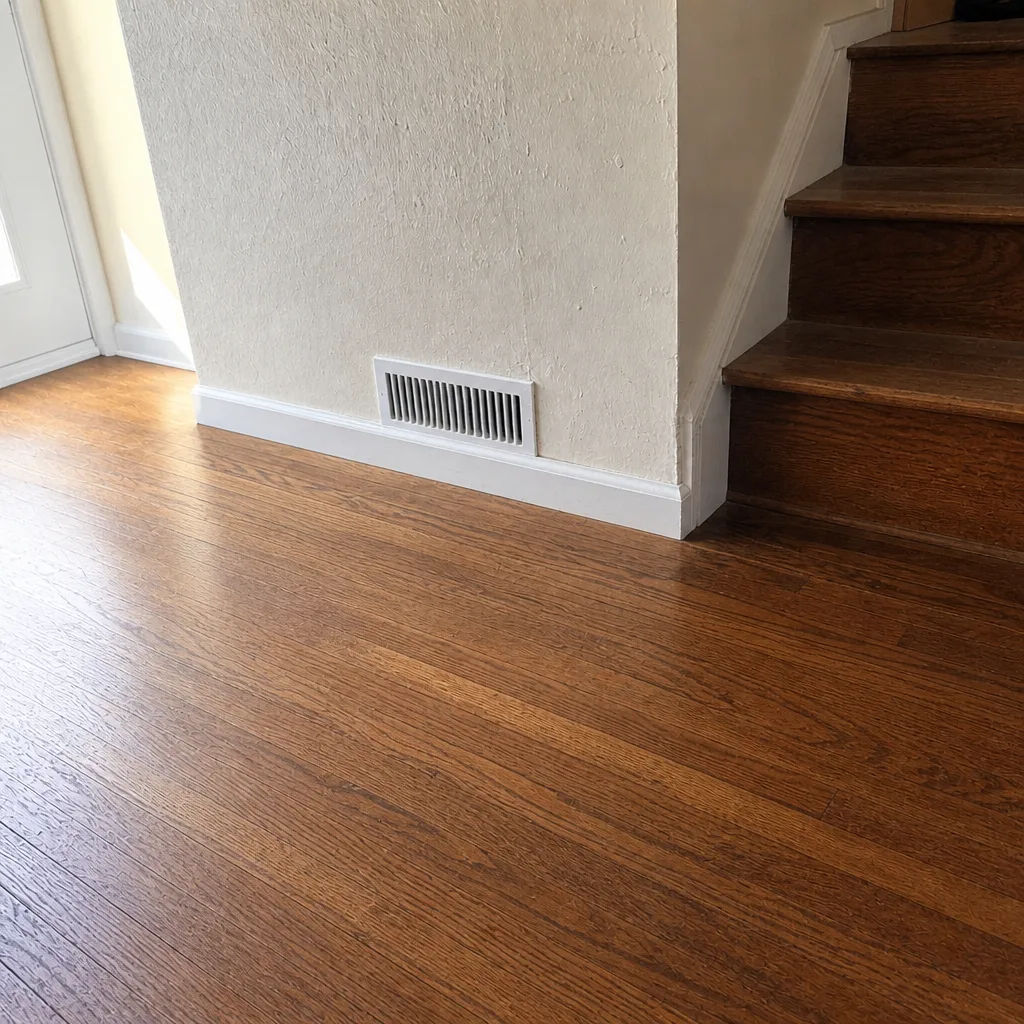 After
When to Call a Professional
Some jobs call for a specialist, not a generalist. Visible dust streaking around registers, dust returning within weeks of a prior cleaning, a musty smell when the system starts up, recent water intrusion that may have reached the ducts, a renovation that left construction dust in the returns, or a dryer vent that hasn’t been checked in a home with a long hidden run all point to a system worth inspecting. So does a home with a premium IAQ system, where working around Honeywell or Aprilaire controls requires some competence. If you’re weighing a quote and something feels vague about scope, the inspection will settle it. Air Duct Cleaning Throggs Neck offers free estimates in Throggs Neck – call (866) 558-4773. We answer 24/7. Fast dispatch from 7am to 7pm, Sunday through Friday.
Frequently Asked Questions
Typical 2026 rates run $350 to $700 for a single-family home, $450 to $900 for a two-family, and $700 to $1,600 for a small multifamily building, quoted per system. The written estimate sets the final price. Call (866) 558-4773 for an exact quote – estimates are free.
Low quotes almost always cover a narrower scope: register passes without the trunk line, plenum, or air handler, no access-point cutting and re-sealing, and a portable vacuum rather than a full negative-air system. The work is genuinely different, so the prices aren’t comparable without checking scope line by line. Call (866) 558-4773 to talk through what a quote should include.
Ask for before-and-after photos of your own ducts, and a written quote that itemizes access cutting, register removal, HEPA vacuuming at the air handler, and a post-cleaning verification. If a contractor won’t document the work, that’s a reason to look elsewhere. Call (866) 558-4773 for an estimate that spells out these steps.
It depends on the home, the system, and what’s living in it. A home with pets, recent renovation, or a history of water intrusion needs it more often than a clean one-system home with no pets. Inspection is the honest answer; the right interval follows from what the camera shows. Call (866) 558-4773 for a free estimate and inspection quote.
Yes, when the inspection shows a specific reason. Visible mold growth, water intrusion, or leaking joints call for treatment and sealing. Reflective recommendation without a finding is an upsell. Call (866) 558-4773 for an estimate and let the inspection drive the recommendation.
No, not honestly. Two-families have two air handlers, two plenums, and two trunk lines, and each needs to be cleaned as its own system. A quote that lists one system for a two-family is leaving half the work out. Call (866) 558-4773 for an estimate priced per system.
The Bottom Line
The cost of air duct cleaning in Throggs Neck comes down to one question: is the price for the whole system or just the registers? A $350 to $700 single-family quote that includes access cutting and re-sealing, register removal, air handler HEPA vacuuming, and full negative-air cleaning of every run is doing the work a $89 special doesn’t. Compare quotes on scope, not headline number. Treat drying vent cleaning and duct sealing as part of the same system conversation when the home calls for it. And ask for one flat price per system, in writing, agreed before work starts. That is the difference between air duct cleaning and a surface pass. Air Duct Cleaning Throggs Neck offers free estimates across Throggs Neck – see our Air Duct Cleaning Throggs Neck home page to get started, or call (866) 558-4773. We answer 24/7. Fast dispatch from 7am to 7pm, Sunday through Friday.
Written by the team at Air Duct Cleaning Throggs Neck.