
Last updated November 25, 2026
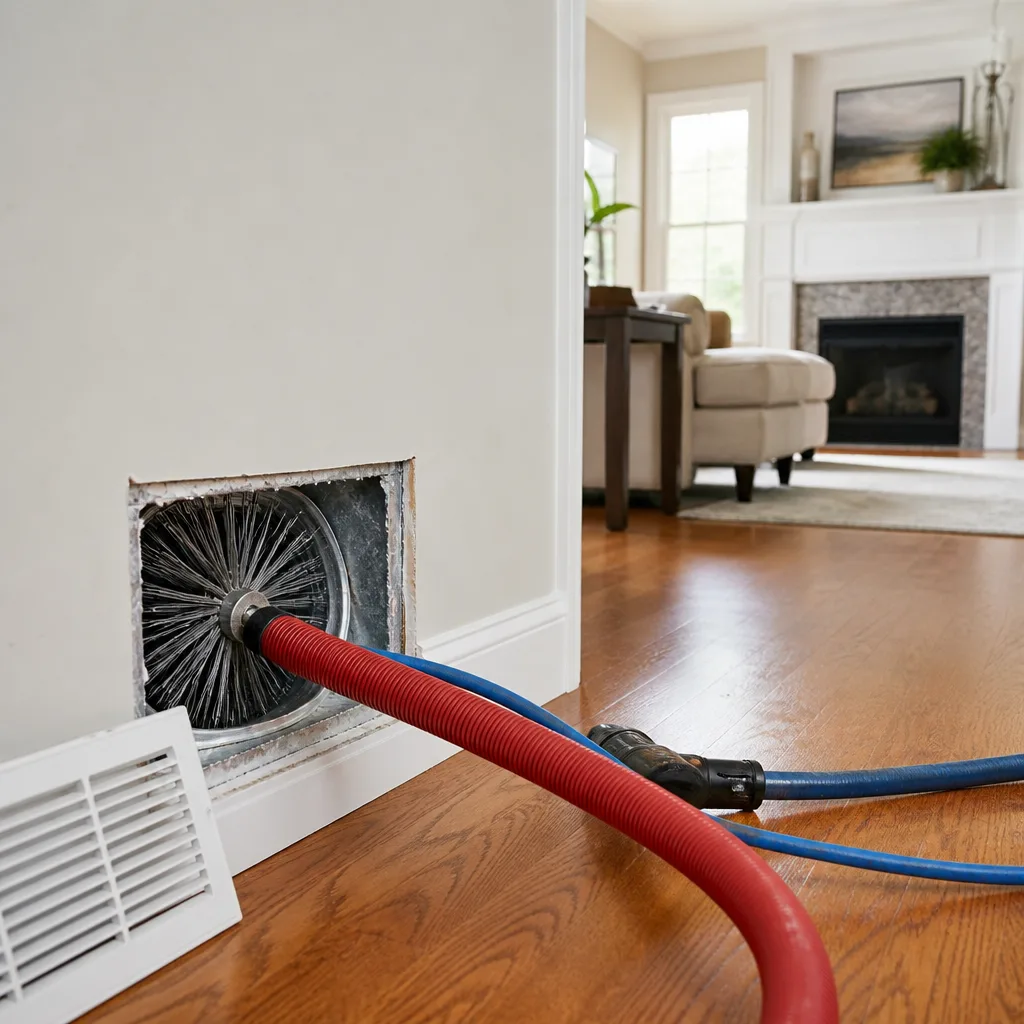 Whole-home duct cleaning
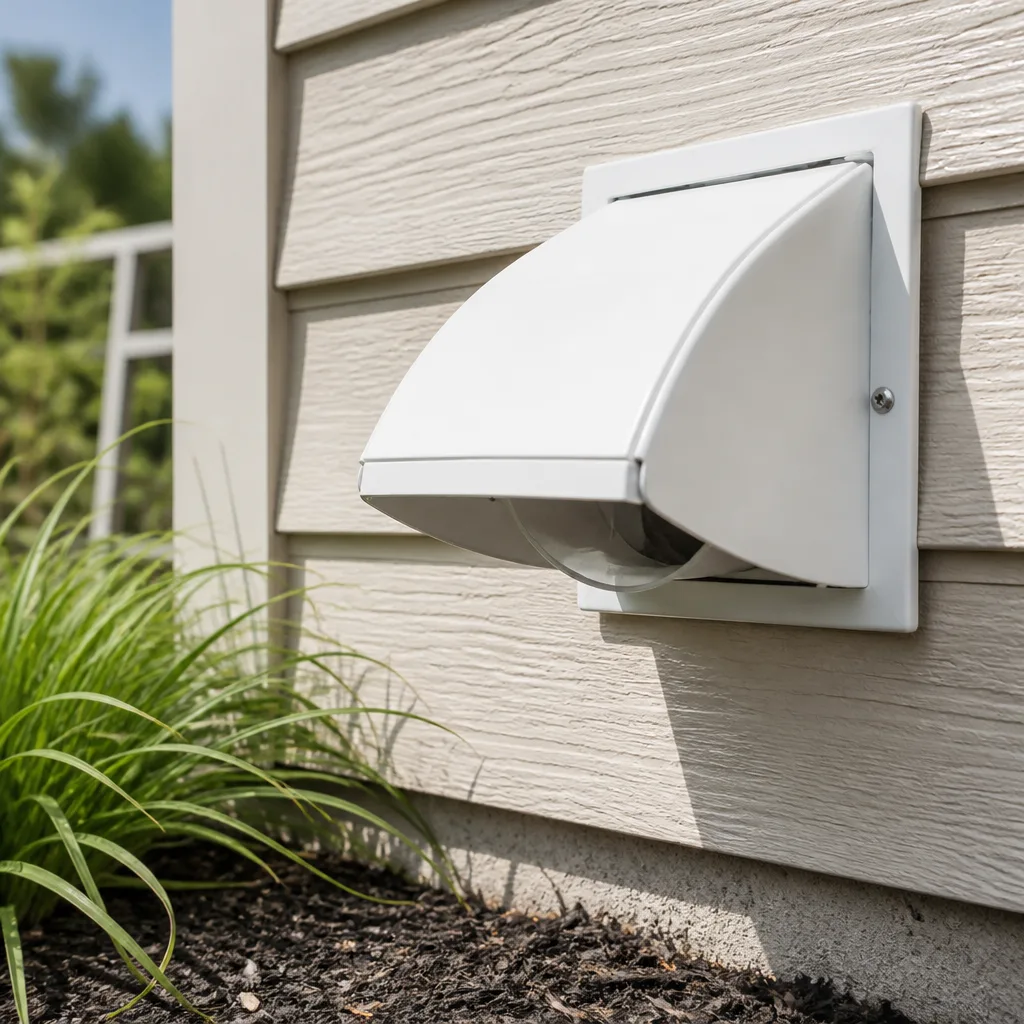 Dryer vent cleaning
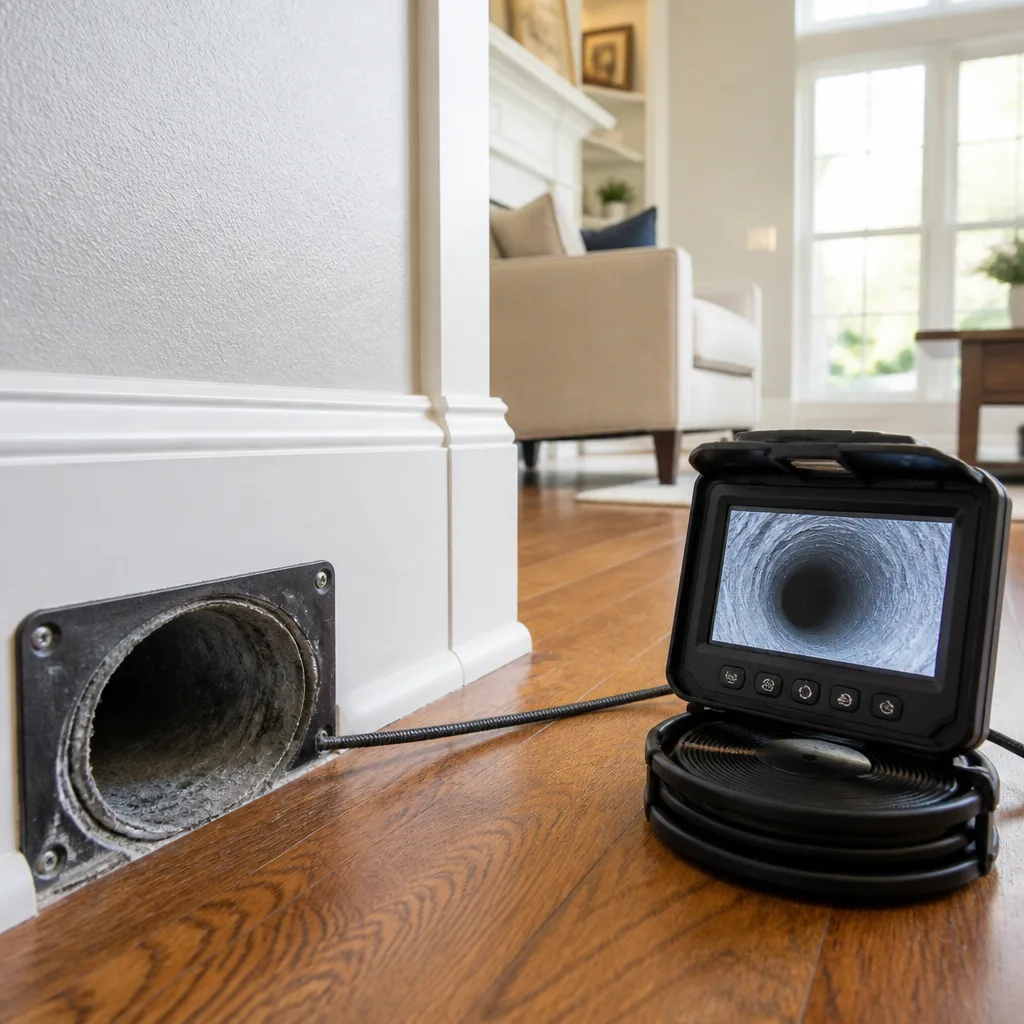 Camera inspection
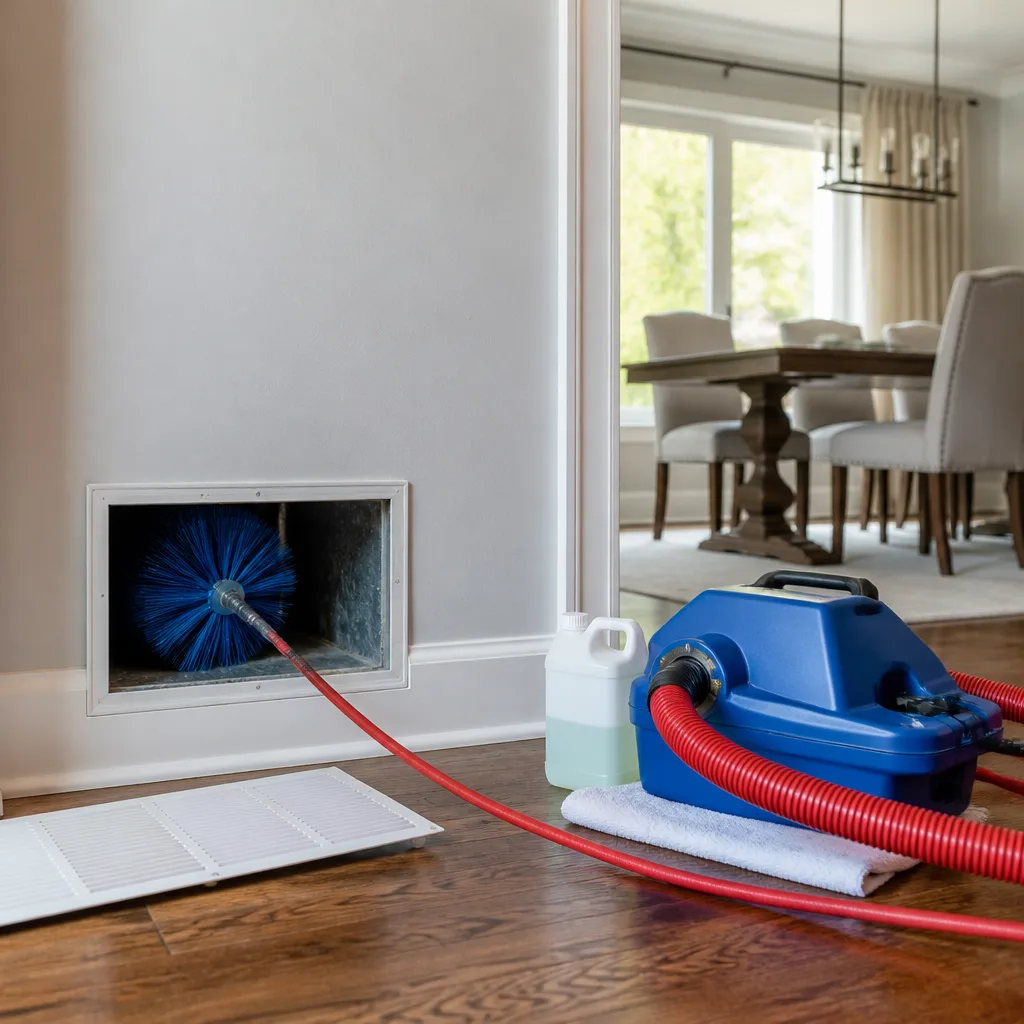 Sanitizing & deodorizing
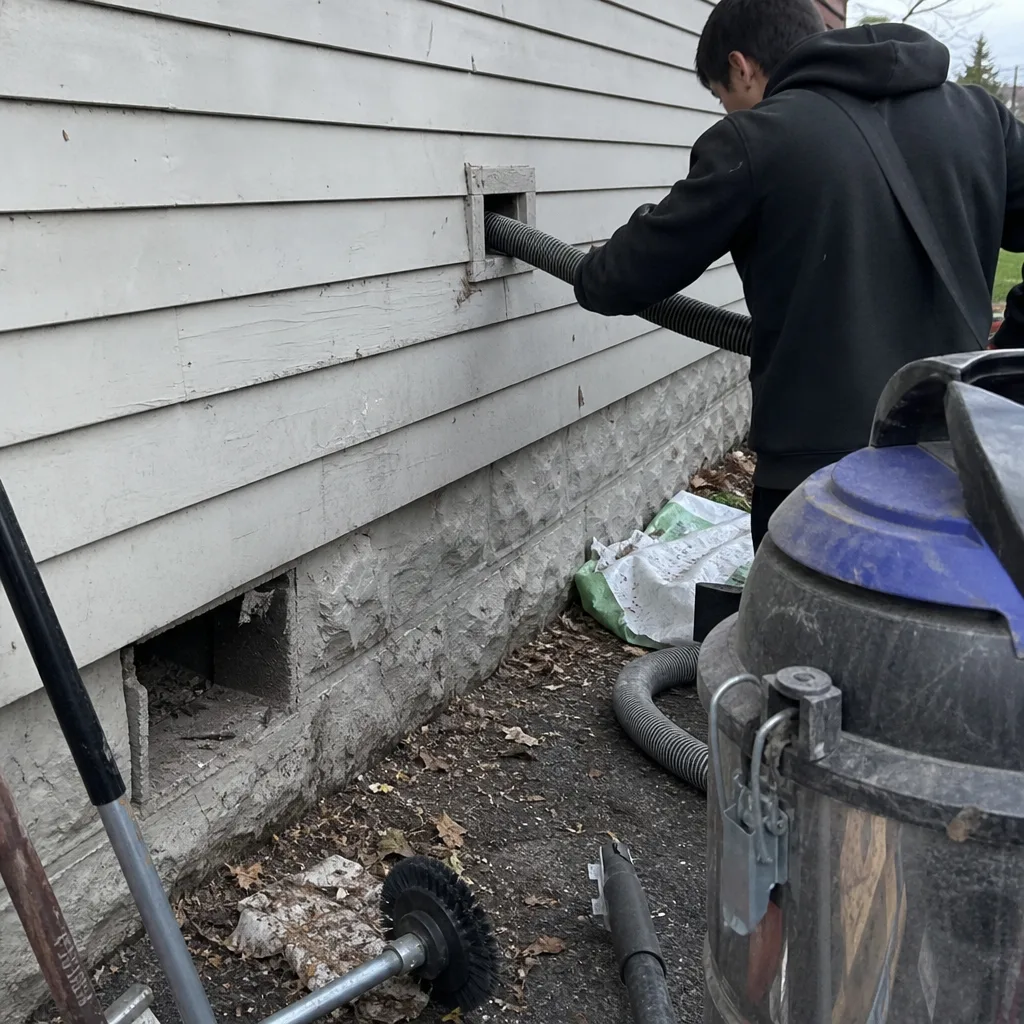
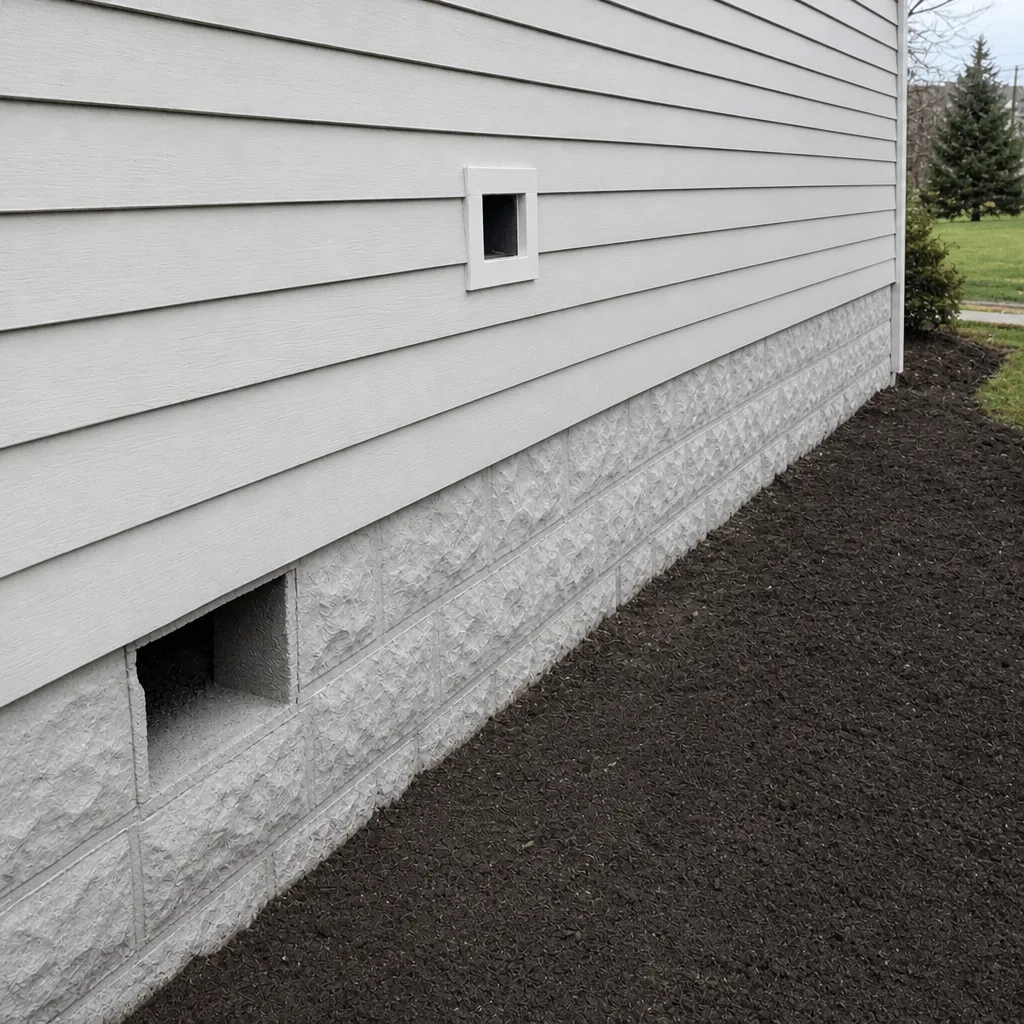
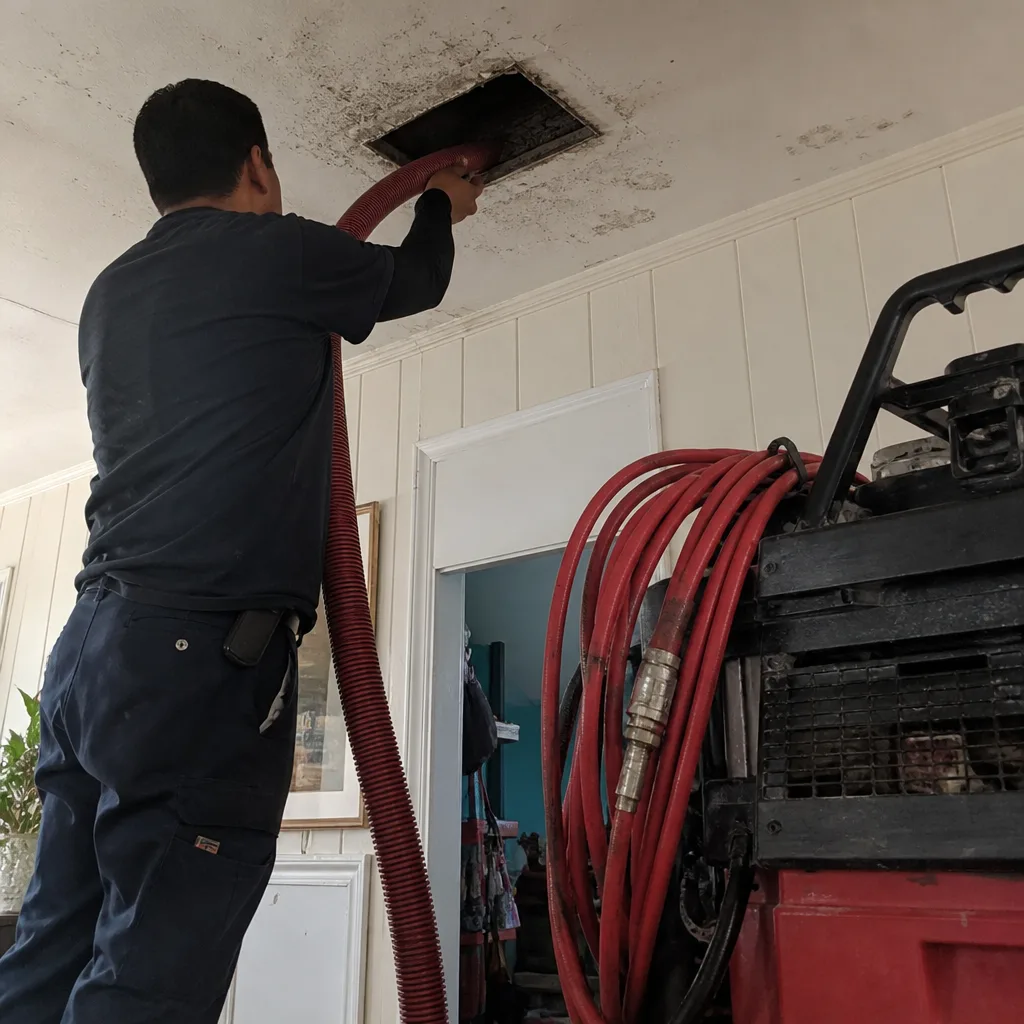
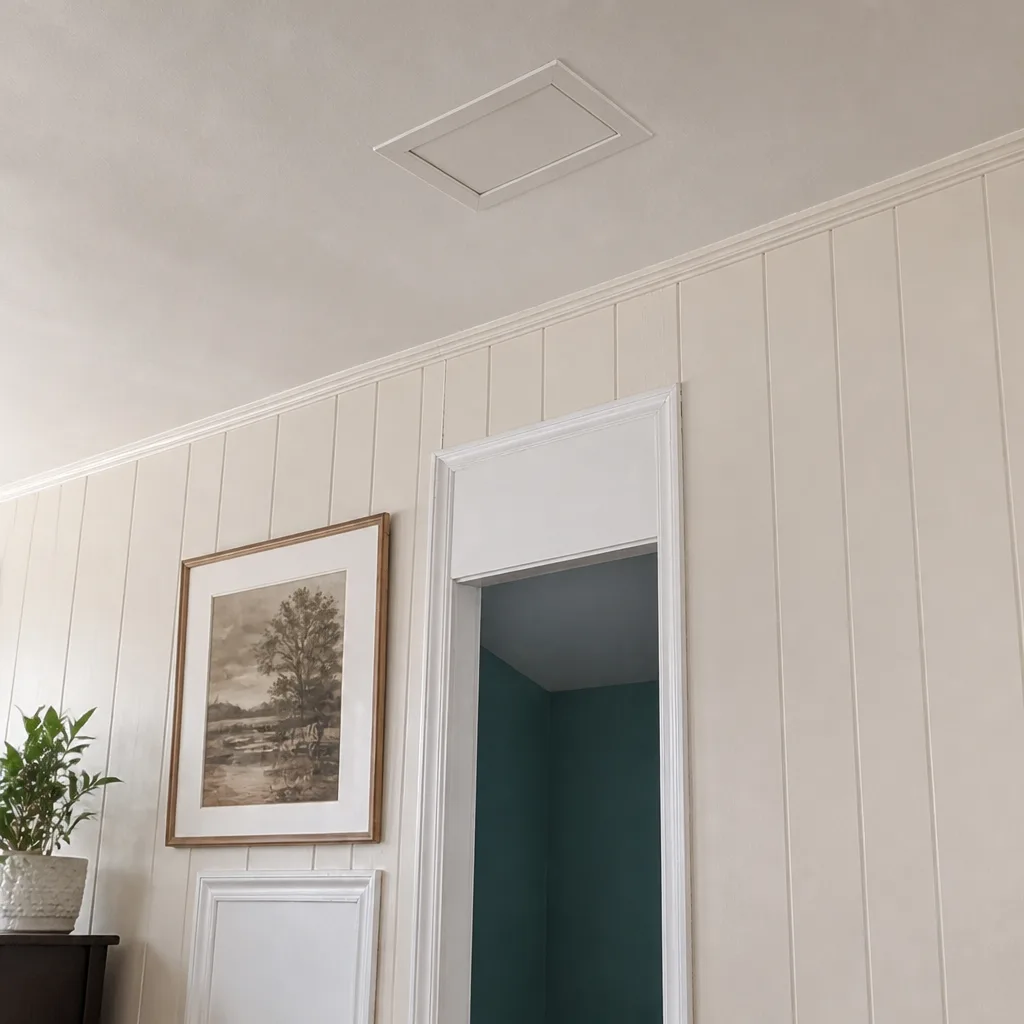
Whole-system duct and dryer vent check with before-and-after photos - you see exactly what came out of your vents
That "$99 whole-house special" is a bait ad - the real number appears once they are in your hallway, or the "clean" is a shop-vac at the register. We photograph the inside of your ducts before and after instead.
Air Duct Cleaning Permits, Codes & Inspections in Throggs Neck, NY: What You Need to Know
Mold remediation companies in New York City are licensed and regulated, and a contractor who charges into your ductwork with an encapsulant without knowing that is not someone you want opening a sealed plenum. Here’s the misconception worth clearing up before anything else: most Throggs Neck homeowners assume that because cleaning doesn’t need a permit, nothing about duct work does. The opposite is closer to true. Cleaning is a maintenance act and sits outside permitting. Repair, replacement, and chemical treatment all cross into territory where code and licensing apply. This guide draws that line precisely, so you know what requires a filing, what requires a licensed trade, and what documentation protects you at resale.
Quick Answer
Routine air duct cleaning in Throggs Neck, NY does not require a permit under the NYC Construction Codes because it is classified as maintenance rather than alteration. Duct repair, section replacement, new duct runs, and encapsulant or antimicrobial treatment inside ductwork do fall under permitting or licensing rules, typically NYC Building Code Chapters 28 and 29 for the HVAC work and NYC Department of Environmental Protection oversight for mold-related remediation. Request written scope documentation any time work goes beyond cleaning.
Styles & brands we work with
- Whole-home duct cleaning
- Dryer vent cleaning
- Camera inspection
- Sanitizing & deodorizing
Table of Contents
- Where the Permit Line Actually Sits in NYC
- NYC Building Code Chapters 28 and 29: What They Cover
- When Mold Inside Ductwork Triggers NYC DEP Rules
- Local Law 97, Energy Code, and Duct Sealing in Larger Buildings
- How to Verify a Contractor’s NYC Home Improvement License
- What to Request in Writing Beyond Cleaning
- What an Inspection Actually Looks At
- Questions to Ask Before You Sign
Where the Permit Line Actually Sits in NYC
Cleaning is maintenance. Repair is alteration. That single distinction decides whether a permit is involved, and it’s the one most Throggs Neck homeowners never hear. Under the NYC Construction Codes, maintenance work that restores a system to its original condition doesn’t require a filing. Work that changes the system – new duct runs, resized sections, replaced trunk lines, added plenums – does.
Picture what happens during a routine cleaning in a Throggs Neck home. A technician pulls the grilles, runs a rotary brush through the branch lines, and vacuums the trunk with negative pressure holding the dust in the collection unit. Nothing is cut, nothing is joined, nothing changes. That’s maintenance.
Now picture the same visit turning up a crushed flex duct in a crawlspace or a disconnected joint behind a knee wall. Fixing it means cutting out a section and splicing in new material. That’s repair, and it’s the point where a permit question and a license question both surface. In our experience, this is exactly where the residential market gets murky. Contractors who clean ducts are not always contractors who are set up to repair and document them.
For a Throggs Neck two-family with original galvanized trunk lines running through a basement, the practical rules are:
- Cleaning only: no permit, no filing, no inspection required.
- Repairing or replacing a duct section: permit likely required, licensed HVAC contractor needed.
- Adding or relocating a duct run: permit required, plus a filing with the NYC Department of Buildings.
- Applying a chemical encapsulant inside ductwork: separate mold remediation licensing may apply.
If you’re planning a full air duct cleaning and the technician mentions “we’ll just replace this section while we’re in there,” pause and ask what that scope of work triggers. That question protects you far more than any warranty language.
NYC Building Code Chapters 28 and 29: What They Cover
Chapter 28 of the NYC Building Code governs licensing and inspection of trades, including the requirement that certain work be performed by a licensed master or special electrician or a licensed master plumber, depending on the system. Chapter 29 covers maintenance of buildings, including requirements for HVAC system upkeep and record retention. Together they establish that duct work is not a free zone just because it’s inside the building envelope.
Chapter 29 is the one that catches property managers in Throggs Neck off guard. The code requires buildings to be maintained in a safe condition and creates obligations around system inspection and records. For a small multifamily on a side street off East Tremont Avenue, that usually means keeping a paper trail for anything beyond cosmetic cleaning. For a larger building near Bruckner Boulevard, the compliance burden grows with the size of the system and the number of units.
A practical checklist for Throggs Neck property owners:
- Confirm whether the work being quoted is maintenance or alteration.
- If alteration, ask for the contractor’s license number and which trade holds it.
- Ask whether a Department of Buildings filing will be made and who is filing.
- Keep the written scope, the invoice, and any photographs of the completed work.
- Store the record with the building’s maintenance file, not in a drawer at home.
Nothing here requires a heroic effort. It requires a paper trail. The building owner who can produce a written scope and dated photographs for duct repair work is the one who sails through a resale inspection or a Department of Buildings inquiry without a scramble.
When Mold Inside Ductwork Triggers NYC DEP Rules
Mold remediation in New York City above a defined threshold requires a licensed mold remediation contractor and falls under NYC Department of Environmental Protection guidelines rather than the Department of Buildings. This is a different regulatory lane, and it’s the one most cleaning contractors ignore. Cleaning a dirty duct is one thing. Treating a duct system with visible mold growth is another entirely.
What counts as mold growth worth worrying about? In our experience, a visual inspection of the supply and return plenum turns up one of four things: normal dust accumulation, isolated surface spotting from condensation, actual mold growth on organic material, or a musty odor with no visible source. Only the third and fourth usually warrant a remediation conversation. The first two are cleaning problems.
If a contractor tells you that you “need” an antimicrobial fog treatment on a system with no evidence of mold, that’s an upsell, not a code requirement. A compliant Throggs Neck contractor working on a genuine mold issue should be able to document:
- The type and extent of growth found, with photographs.
- The licensed mold remediation contractor’s credentials.
- The remediation method being used and the products applied.
- Post-remediation verification showing the system is clean.
When we approach a system that may need remediation-adjacent handling, the containment-grade gear – Abatement Technologies units in particular – matters because it keeps spores from getting distributed through the living space while work is underway. The difference between a routine air duct cleaning and a remediation job is largely the containment discipline behind it.
Local Law 97, Energy Code, and Duct Sealing in Larger Buildings
Local Law 97 sets carbon emissions limits for buildings above a certain size, and duct sealing can intersect with that in ways Throggs Neck property managers don’t usually consider. A leaky duct system in a multifamily building wastes conditioned air, which the mechanical system then has to replace, which pushes up energy use and emissions. Sealing those leaks reduces the load.
This isn’t a compliance shortcut – you don’t get Local Law 97 credit simply for sealing ducts. But for a building near the compliance threshold, duct sealing is one of the cheaper measures in the toolkit. The energy code applies too: duct systems in new construction and major renovations must meet sealing and leakage standards under the New York City Energy Conservation Code. If a duct system is being substantially replaced rather than just cleaned, that code section applies.
For a Throggs Neck walk-up with a single central air handler serving six units, this can mean duct repair and sealing moves from “nice to have” to “worth doing before the next filing cycle.” For a two-family near the Throggs Neck Bridge approach, Local Law 97 typically doesn’t apply, but the energy code does for any duct replacement project that touches the mechanical system.
Where the sealing work happens alongside cleaning, that’s where the air duct cleaning visit can quietly turn into a compliance-relevant project. The cleanest approach is to first establish what the system actually is: which sections are original, which are additions, and where leakage is concentrated. Guardsman and Aprilaire components show up in some of the higher-end installations around Throggs Neck, and knowing how a system was built changes what a sealing scope should include.
How to Verify a Contractor’s NYC Home Improvement License
New York City requires anyone performing home improvement work – which includes duct repair, sealing, and HVAC system work – to hold a Home Improvement Contractor (HIC) license issued by the NYC Department of Consumer and Worker Protection. Verifying that license is the single fastest way to filter out the unqualified before they touch your ducts.
The verification process, step by step:
- Ask the contractor for their HIC license number in writing, not on a business card.
- Look up the number in the NYC Department of Consumer and Worker Protection online license lookup tool.
- Check the name on the license matches the company name on the estimate.
- Check the license status is current, not expired or suspended.
- Confirm the license covers the type of work being quoted.
- Ask for the certificate of insurance for the job, not a generic letter.
A Throggs Neck homeowner who runs those six steps before signing anything weeds out most of the market’s low-end operators in one sitting. A licensed contractor will hand over the number without hesitation. One who stalls, redirects, or says “our license is on file at the office” is telling you something.
Our approach is to keep the process simple. The local professionals we connect Throggs Neck homeowners with are licensed and insured as the state requires, and we expect the same verification discipline from them that you do. Anything less is a liability at resale.
What to Request in Writing Beyond Cleaning
If a contractor performs any work beyond cleaning – repair, sealant, treatment, or replacement – request written scope documentation before the work begins, not after. This single habit protects you at resale, during a Department of Buildings inquiry, and in the event of a dispute.
What belongs in that document:
- Scope of work: a plain-language description of every task, not a line item that says “misc. duct work.”
- Materials list: the products, fittings, sealants, and any IAQ components being installed.
- Contractor credentials: HIC license number, liability insurance carrier, and the names of any trade contractors involved.
- Before photographs: the condition of the system at the start of work.
- After photographs: the completed work, showing the same views.
- Warranty terms: what’s covered, for how long, and what voids it.
The residential market is full of one-page estimates that read like a menu at a diner. That’s fine for cleaning, because cleaning is low-risk and easily verified. It’s not fine for repair. A Throggs Neck homeowner who pays a contractor to rework a duct run without a written scope has no way to prove the work was done properly if the system fails or a sale inspection turns up an anomaly.
Photographs are the difference. Before-and-after photos of your own ducts tell you the work actually happened – the interior of the trunk line before, the same view after, the new section in place. When we’re asked how to verify a job, this is the answer: documentation in hand, not a coupon on the counter.
What an Inspection Actually Looks At
A duct inspection – whether it’s a Department of Buildings review, a home sale inspection, or a contractor’s pre-job assessment – looks at the same handful of conditions. Knowing what they are helps you read a report or predict what a buyer’s inspector will flag.
The list is shorter than most people expect:
- Visible contamination: accumulation of dust, dander, and debris on the interior surfaces of the supply and return ducts.
- Moisture: condensation, staining, or a musty odor at any point in the system.
- Sealing: gaps at joints, boots, and plenum connections where air leaks out.
- Structural integrity: crushed flex duct, disconnected joints, sagging runs.
- Material condition: damaged or deteriorated interior duct liner.
- System relationship: whether a duct modification appears original or added, which affects the filing question.
In Throggs Neck, the second and fourth bullet tend to dominate. The neighborhood’s housing stock is a mix of pre-war two-and-three family homes and post-war construction. In pre-war homes, we see crushed or disconnected flex duct from later renovations where original mechanical shafts were adapted. In newer construction, we see sealing that’s held up well but material degradation from humidity.
An inspector worth their salt will also check that the cleaning was done with real equipment rather than a shop vac. A system that’s been “cleaned” with consumer gear often shows visible residue at the plenum and boot connections. Rotobrush and Nikro systems – the equipment serious contractors run – leave the interior surfaces visibly clean and verifiable in the after photographs.
Questions to Ask Before You Sign
Before signing any duct-related estimate in Throggs Neck, ask these questions and write down the answers. A contractor who can’t answer them clearly is not the contractor for a repair job.
- Is the work you’re quoting maintenance or alteration?
- If alteration, does it require a permit, and who is filing it?
- What is your HIC license number?
- What equipment will you use, and can I see it in the estimate?
- Will you provide before-and-after photographs as part of the job?
- If you find mold, what’s the remediation process and who performs it?
- Is the price a flat price for the whole system, or per vent?
- What’s the written scope include beyond cleaning, if anything is discovered during work?
The last two questions matter most. Per-vent pricing is the industry’s classic overcharge structure – it looks transparent and then runs up as the technician “discovers” more vents. A flat price per system, agreed in writing before work starts, prevents that. Anything beyond cleaning gets scoped separately, with its own documentation.
Whatever the scope, bring any HVAC modifications you’re planning into the picture with the relevant pros before you commit. Our HVAC cleaning service covers the broader mechanical side of the system, and it’s a reasonable place to start when the ducts and the air handler both need attention.
Common Mistakes to Avoid
- Assuming “no permit, no rules.” Cleaning doesn’t need a permit, but repair does, and confusing the two leaves homeowners open at resale. Treat every scope change as a fresh permitting question.
- Not verifying the HIC license. A NYC Home Improvement Contractor license is required for duct repair and HVAC work, and it’s on the contractor to show you the number. Look it up yourself in the Dept. of Consumer and Worker Protection database – don’t take a card at face value.
- Letting the contractor scope the job verbally. Any work beyond cleaning should be in writing, with materials listed, before work starts. Verbal scope plus a handshake warranty leaves you with nothing to point to if the work is questioned later.
- Confusing cleaning with mold remediation. A duct system with visible mold growth above a defined threshold needs a licensed mold remediation contractor under NYC DEP guidelines in New York, not a cleaning crew with an antimicrobial fogger. Ask which category the job falls into before the equipment is rolled out.
- Accepting a per-vent quote. Per-vent pricing in Throggs Neck is a red flag – it invites scope creep and makes comparison shopping impossible. Get a flat price for the whole system.
- Skipping the before-and-after photos. Photographs of your own ducts, before and after, are the simplest proof the work was performed. Insist on them for any job that goes beyond routine cleaning.
- Forgetting to record duct repair for the building file. Even small Throggs Neck buildings need a paper trail for duct repair, especially in multifamily properties with any Local Law 97 or energy code exposure. File the scope, the invoice, and the photos.
See the difference
 Before
 After
 Before
 After
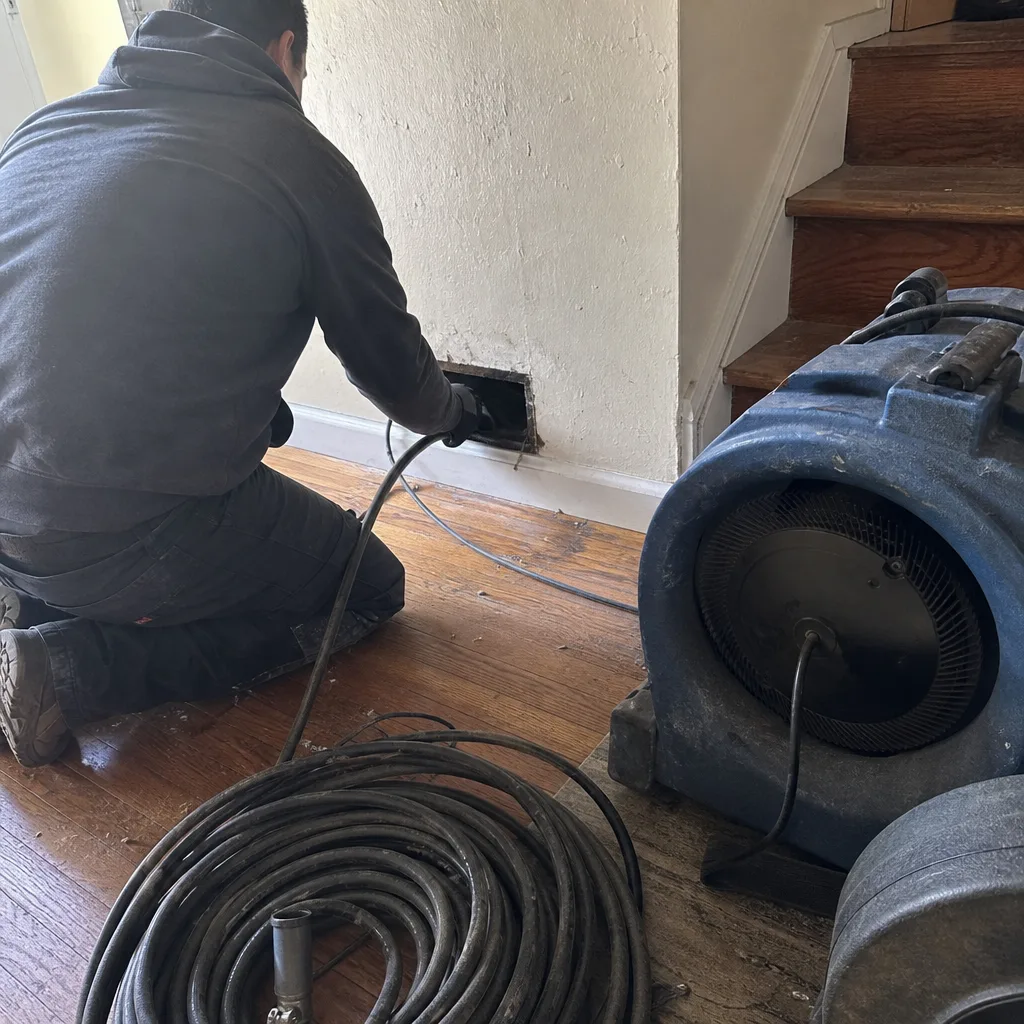 Before
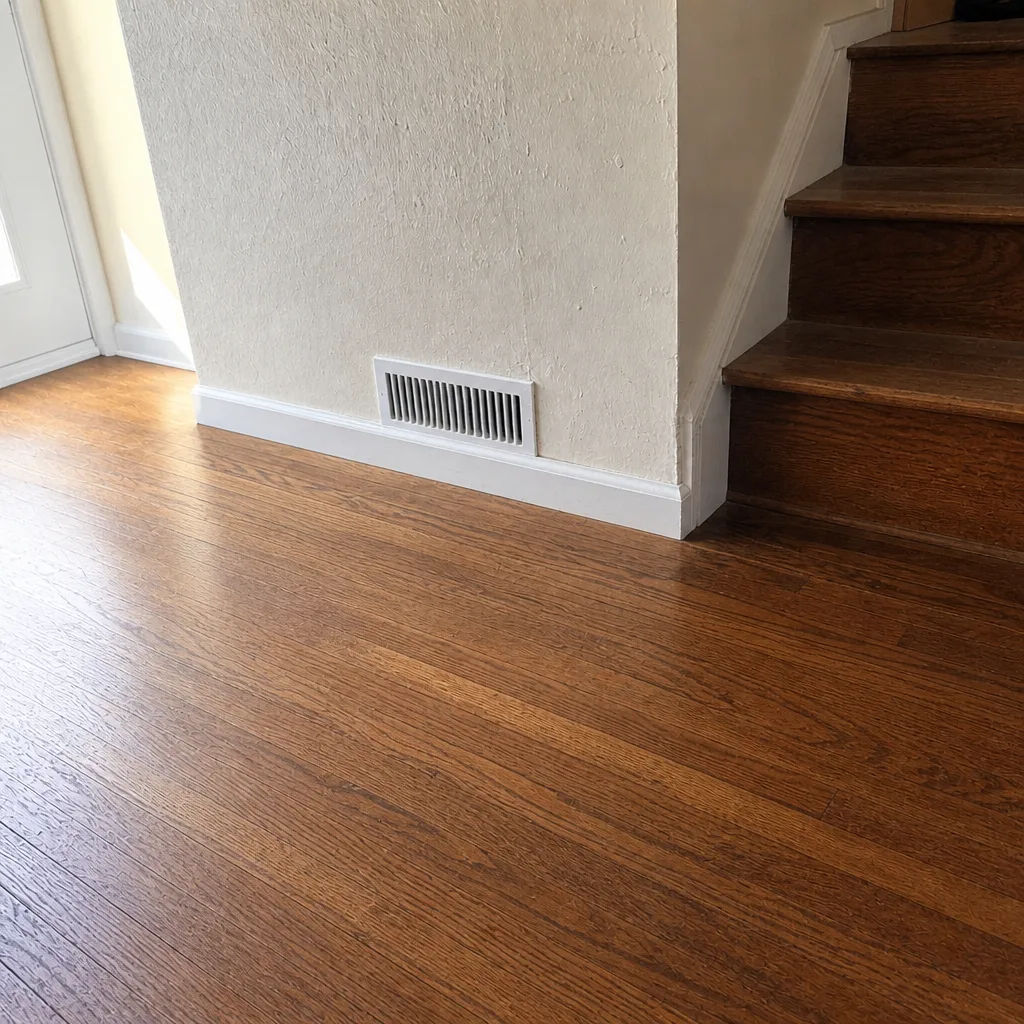 After
When to Call a Professional
Call a professional when you see visible mold inside a duct, when a duct section is crushed or disconnected, when the system smells musty even after routine cleaning, or when you’re preparing a Throggs Neck property for sale and need documentation that the ductwork is in order. Call before you sign any repair estimate, so you can ask the licensing questions with someone who knows the answers. Call if a contractor hands you a per-vent quote or can’t produce a license number on request.
Air Duct Cleaning Throggs Neck offers free estimates in Throggs Neck – call (866) 558-4773. We answer 24/7. Fast dispatch from 7am to 7pm, Sunday through Friday. Our technicians have up to 9 years of experience, and we’ll tell you honestly what’s a cleaning problem, what’s a repair problem, and what’s a permitting question. If your dryer vent is part of the conversation, our dryer vent cleaning service lives under the same roof, and both get handled with the same professional-grade equipment.
Frequently Asked Questions
No. Routine air duct cleaning is classified as maintenance under the NYC Construction Codes and does not require a permit, a Department of Buildings filing, or an inspection. The permit question only applies when the work becomes repair, replacement, or a system alteration – cutting in new duct, resizing sections, or applying a chemical treatment inside the ductwork. If a cleaning estimate turns into repair scope, ask whether the work triggers a filing before you sign. Call (866) 558-4773 for a free estimate – we’ll walk you through which category the job falls into.
Yes. Duct repair and HVAC modifications in New York City require a contractor holding a NYC Home Improvement Contractor license, and in some cases a licensed master trade working under the Department of Buildings. Cleaning doesn’t require that license, but repair does, and the distinction matters for your insurance and for resale. Ask for the HIC license number in writing and verify it in the NYC Department of Consumer and Worker Protection online lookup tool before you sign anything. Call (866) 558-4773 for a free estimate.
Yes. Mold remediation above a defined threshold in New York City falls under NYC Department of Environmental Protection guidelines and requires a licensed mold remediation contractor, separate from a duct cleaning contractor. Visible mold growth inside a supply or return plenum is a remediation question, not a cleaning question, and a compliant contractor should be able to document the extent of the growth, the remediation method, the products used, and the post-remediation verification. Call (866) 558-4773 for a free estimate.
Ask for the HIC license number in writing, look it up in the NYC Department of Consumer and Worker Protection online license lookup tool, confirm the name on the license matches the company on your estimate, and check the license is current and not suspended. Ask for a certificate of insurance naming you as the certificate holder. Ask what equipment the technician will use on site – a serious operation runs Rotobrush or Nikro systems, not a shop vac – and ask for before-and-after photographs as part of the job. Call (866) 558-4773 for a free estimate.
Only indirectly. Local Law 97 sets carbon emissions limits for buildings above a certain size, and duct sealing reduces the energy the mechanical system wastes on leaky ductwork, which lowers the building’s overall energy use. There’s no direct credit for duct sealing in the law, but for a building near the compliance threshold, duct sealing is one of the cheaper measures in the toolkit. If the duct system is being substantially replaced rather than cleaned, the NYC Energy Conservation Code’s sealing and leakage standards apply. Call (866) 558-4773 for a free estimate.
There’s no fixed code schedule. Homes with pets, recent renovation work, or a history of moisture problems tend to need it more often than homes with none of those conditions, and the honest test is a visual inspection rather than a calendar. If the duct interior shows visible accumulation at the plenum or boot connections, it’s time. If it doesn’t, it probably isn’t. What should be on a schedule is a check of the dryer vent, since lint buildup is a fire risk and one that many duct-only specialists skip entirely. Call (866) 558-4773 for a free estimate – we’ll tell you what the system actually needs.
The Bottom Line
The rule of thumb in Throggs Neck is simple: cleaning is maintenance and sits outside permitting; repair, replacement, and chemical treatment inside the ductwork all cross into territory where permits and licensing apply. Verify a contractor’s NYC Home Improvement Contractor license before any job beyond cleaning, keep written scope documentation with before-and-after photographs for any non-cleaning work, and treat visible mold inside ductwork as a remediation question rather than a cleaning one. That’s the entire legal picture in three sentences. What lies behind it is a paper trail you’ll want when you sell, when a Department of Buildings inquiry arrives, or when a contractor’s scope quietly grows mid-visit. Ask the questions early, ask them in writing, and the resale inspection won’t be where you find out something was missed.
If you’re ready to move forward – whether it’s routine cleaning, duct repair and sealing, dryer vent work, or a full assessment of the system – call (866) 558-4773. We answer 24/7. Fast dispatch from 7am to 7pm, Sunday through Friday. One flat price per system, agreed before work starts. Before-and-after photos of your own ducts, always. And a straight answer about the permitting picture before any work happens.
Written by the team at Air Duct Cleaning Throggs Neck.