
Last updated November 25, 2026
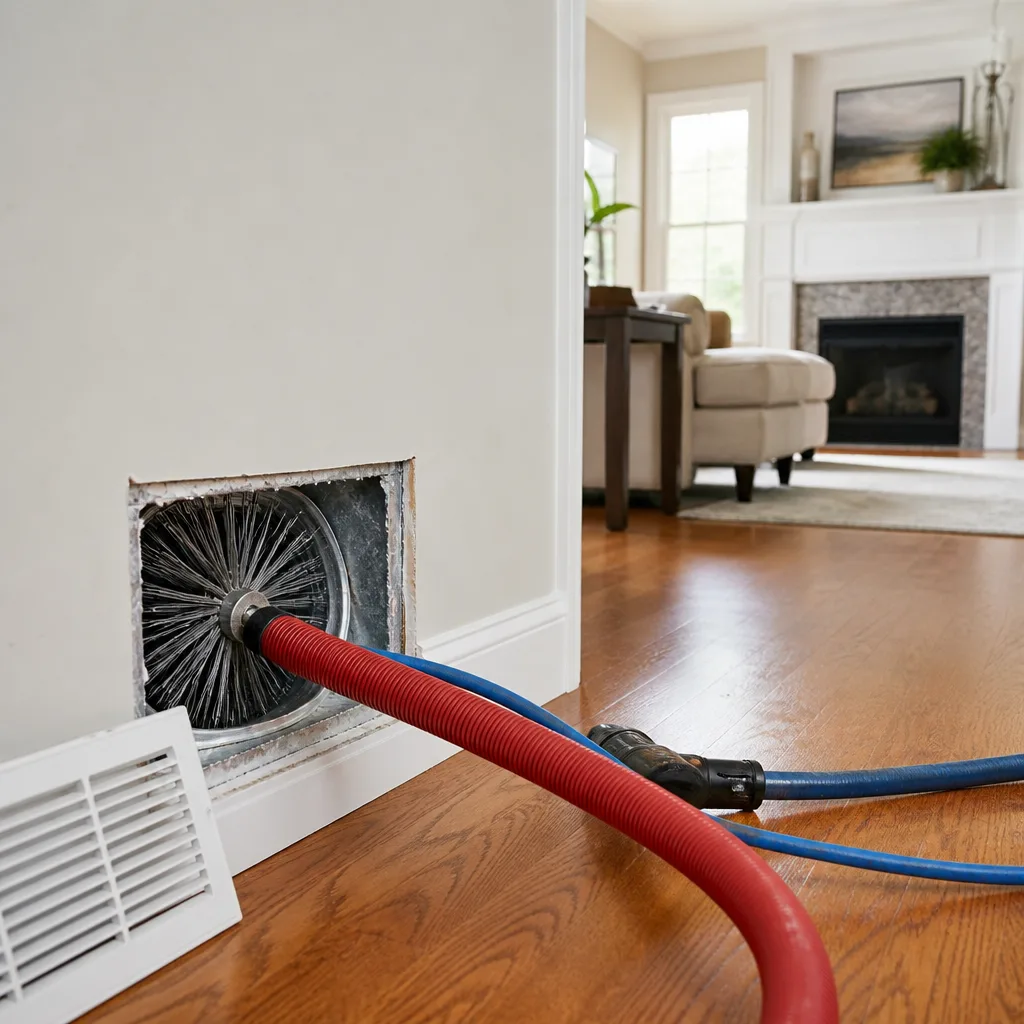 Whole-home duct cleaning
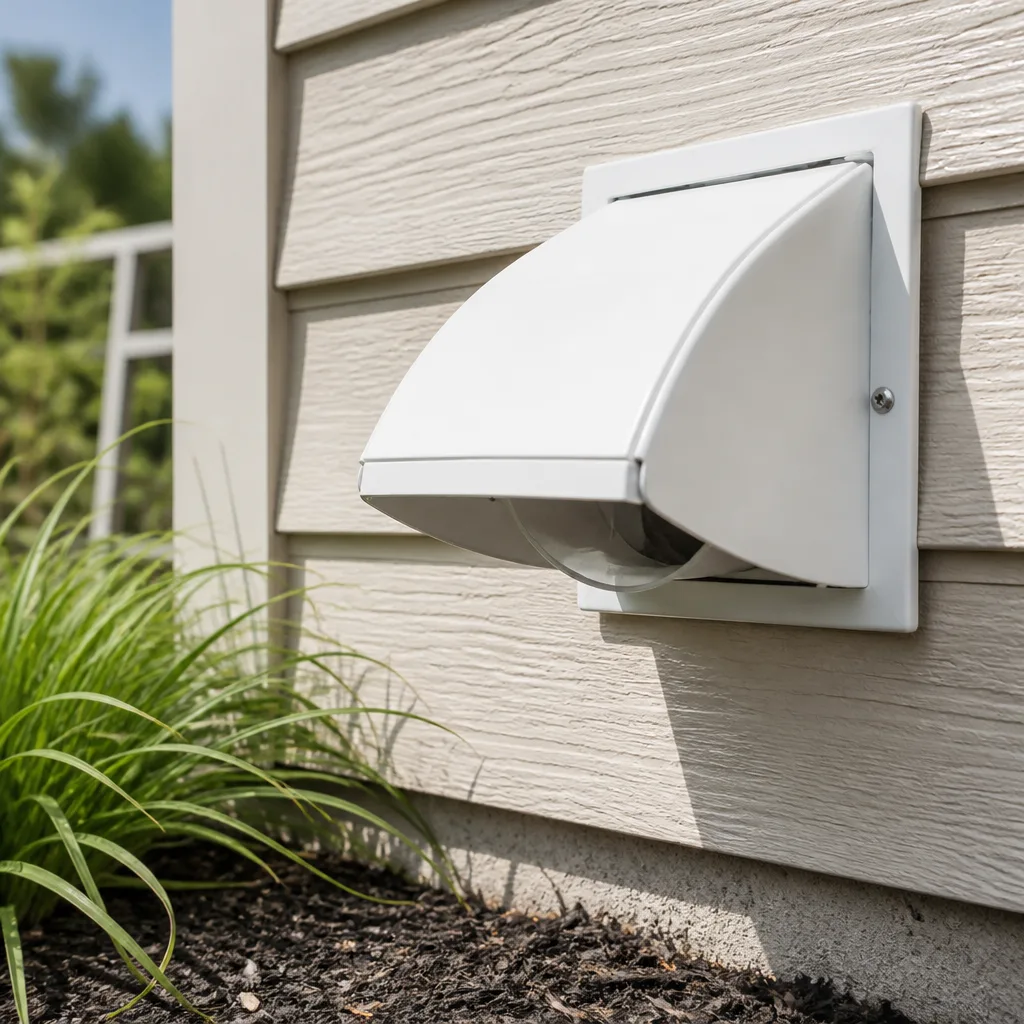 Dryer vent cleaning
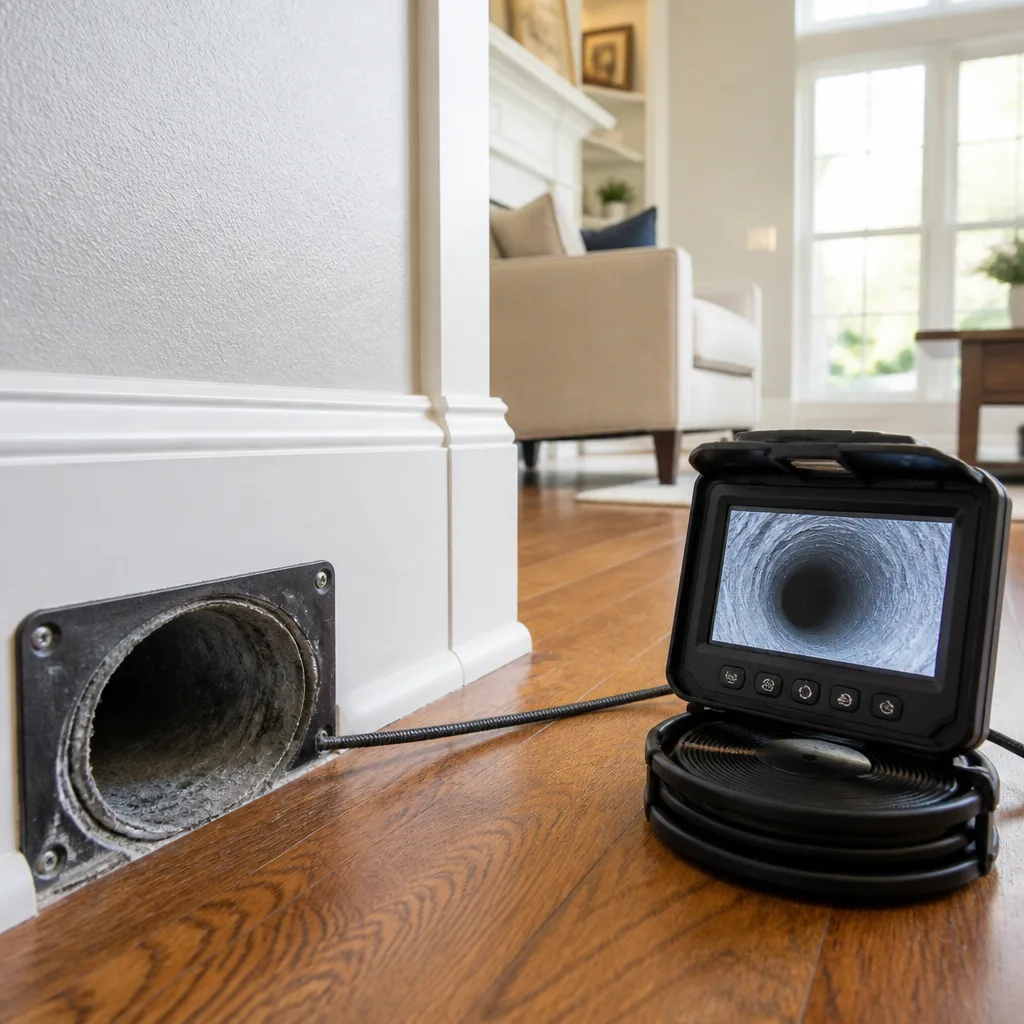 Camera inspection
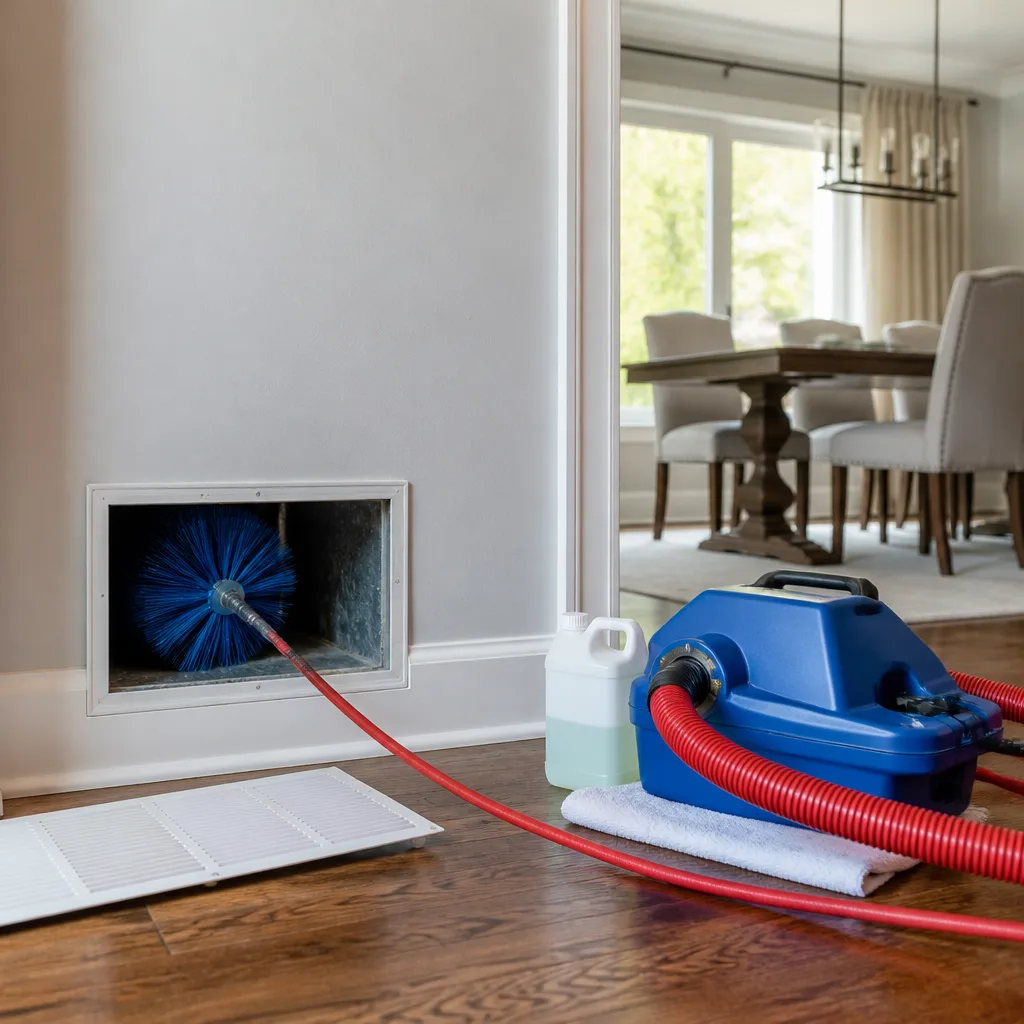 Sanitizing & deodorizing
Whole-system duct and dryer vent check with before-and-after photos - you see exactly what came out of your vents
That "$99 whole-house special" is a bait ad - the real number appears once they are in your hallway, or the "clean" is a shop-vac at the register. We photograph the inside of your ducts before and after instead.
Air Duct Cleaning Maintenance Checklist for Throggs Neck Homeowners
Changing your filter every 90 days while ignoring the return plenum is like brushing your teeth but never flossing: the buildup still happens, just where you can’t see it. Most Throggs Neck homeowners treat duct maintenance as one annual phone call. It isn’t. The dust, dander, mold spores and lint that collect inside a duct system don’t wait for a calendar date, and by the time you notice a problem at the register, it has usually been building in the plenum and trunk lines for months. This guide gives you a diagnostic rhythm built on what you can actually observe, not arbitrary dates. You’ll learn what to check monthly, what to check seasonally in Throggs Neck’s particular climate, how to read filter ratings honestly, and exactly when to escalate to a professional.
Quick Answer
A working duct maintenance checklist for a Throggs Neck home covers three layers: monthly owner-observable checks at registers and returns, seasonal inspections timed to the heating and cooling changeovers, and professional service at intervals driven by what those checks reveal. You should check filters monthly, inspect return grilles and the air handler closet seasonally, and schedule professional cleaning when you see discoloration, odor, visible debris, or a documented performance drop. The checklist is a diagnostic rhythm, not a reminder to call someone once a year.
Styles & brands we work with
- Whole-home duct cleaning
- Dryer vent cleaning
- Camera inspection
- Sanitizing & deodorizing
Table of Contents
- Monthly Checks You Can Do Yourself
- Filter Selection and MERV Ratings for Throggs Neck Homes
- Seasonal Maintenance Tied to the Local Climate
- The Return Plenum and Why It Gets Ignored
- When to Escalate From Owner Maintenance to Professional Inspection
- Building a Documentation Log
- Common Mistakes to Avoid
- Frequently Asked Questions
Monthly Checks You Can Do Yourself
The monthly layer of the checklist exists to catch change, not to clean anything. You’re looking for the earliest visible sign that the system is loading up with debris or that air isn’t moving the way it should. Each check takes under ten minutes once you know what you’re looking at, and none of them require tools beyond a flashlight.
Three observations matter most:
- Register discoloration. Look at the face of supply registers and the grille slats of return air grilles. A faint even film of household dust is normal. What isn’t normal is streaking that traces the airflow pattern, a gray-black tint that builds between cleanings, or dark staining concentrated on one register while others stay clean. A single dirty register often points to a leak or a duct run that’s pulled loose upstream.
- Odor after system startup. Stand near a register when the blower kicks on. A musty, damp-earth smell suggests moisture and biological growth somewhere in the system. A dry, dusty smell that fades after a minute is usually settled dust getting stirred up. An oily or exhaust-like smell means you should turn the system off and have it looked at before running it again.
- Visible debris at return grilles. Shine a light through the return grille into the duct throat. You should see the metal or flex interior, not a mat of lint, pet hair, or a collection of small debris sitting on the bottom of the duct. Debris visible at the return is a clear sign that the rest of the run behind it is carrying more.
Beyond those three, note any room that heats or cools noticeably slower than the rest of the house, and listen at the air handler for rattling or a change in blower pitch. Both are early efficiency signals that belong in your log. If you want a baseline inspection to compare against, our air duct cleaning service includes a full visual assessment of the system before any equipment goes in.
Filter Selection and MERV Ratings for Throggs Neck Homes
Filter choice is the single most misunderstood part of duct maintenance, and in Throggs Neck it matters more than in most places. Homes near the Bruckner Expressway sit in a corridor where diesel particulate infiltration is higher than in blocks further from the highway, and that changes what you should be running in your return.
MERV ratings describe a filter’s ability to capture particles in a specific size range. Higher isn’t automatically better. Every step up in MERV adds resistance to airflow, and a filter that’s too restrictive for your blower will reduce system performance and can strain the motor. Here’s how to think about the range:
- MERV 8: The practical baseline for most residential systems. Captures the bulk of dust, pollen and larger particulate without adding much static pressure. A sensible default where no one in the home has respiratory sensitivities.
- MERV 11: A reasonable step up for homes near the Bruckner Expressway or other high-traffic corridors, where fine diesel particulate is part of the daily load. Captures substantially more of the sub-10-micron fraction. Most modern residential blowers handle it, but check that yours does before committing.
- MERV 13 and above: Worth considering only when someone in the household has a diagnosed respiratory condition and the system is rated for the pressure drop. These filters load quickly in a high-particulate environment, so they need more frequent changes, not less.
- MERV 16 or HEPA-style media: Generally not appropriate for a standard residential return without a system designed for it. The airflow restriction can be significant.
Pleated filters outperform cheap fiberglass panels at every rating tier, and a filter that’s visibly gray should be replaced regardless of what the calendar says. Homes close to the expressway often find that a 90-day interval is optimistic. Check monthly and replace on condition, not on the box’s recommendation.
Seasonal Maintenance Tied to the Local Climate
Throggs Neck’s position between the Long Island Sound and the mainland gives it a climate that swings hard between humid summers and cold, dry winters. That swing drives what you should be checking and when. Arbitrary dates are less useful than the two natural changeovers: the switch from cooling to heating season and the switch back.
- Pre-heating-season inspection (late fall). Before the first sustained cold snap, walk the system. The key task here is checking for rodent activity. As outdoor temperatures drop, mice and squirrels look for warmth, and a disconnected flex duct or a gap at a boot is an open door into the duct system. Look for droppings, nesting material, chewed insulation, or a duct run that’s collapsed. Also check that the condensate line has been cleared and the drain pan is dry, since a summer of condensation can leave standing water that becomes a problem when the system switches modes.
- Pre-cooling-season inspection (spring). Before the first humid stretch, focus on moisture. In Throggs Neck, homes with basement-level or low-lying duct runs are the ones to watch, because ground-level humidity migrates into the system when the AC isn’t running and condenses on cold duct surfaces once it is. Look for rust at the seams, water staining on duct insulation, and any sign of standing water in the air handler closet. A musty smell at startup in spring is a moisture signal, not a dust signal.
- Mid-season filter and grille check. Once each season, pull every return grille and clean the grille faces. This isn’t deep cleaning, but it keeps the visible surface honest so change is easier to spot.
- Dryer vent check each season. Duct maintenance and dryer safety share the same principle: lint accumulates where airflow slows. A dryer vent is a separate system from your HVAC ducts, but it’s the one with a fire risk attached, and it’s easy to forget. Our dryer vent cleaning service handles the full run from the dryer connection to the exterior termination.
If you’re not sure your system is ready for either changeover, a professional inspection is the honest way to find out. Our HVAC cleaning service covers the air handler, coil and blower in addition to the ductwork, which is where a lot of the seasonal readiness actually lives.
The Return Plenum and Why It Gets Ignored
The return plenum is the short section of duct between your return grilles and the air handler. It’s the first thing air passes through on its way to being conditioned, and it’s the place most homeowners never look. It’s also where the heaviest loading happens, because air velocity drops as it enters the plenum and suspended debris settles out.
Filters catch what’s large enough to be caught, but the fine fraction passes through, and over time that fine fraction coats the interior of the plenum and the return trunk. When the return plenum is loaded, the system has to work harder to pull air in, which shows up as reduced airflow at the registers and longer run times. That reduction happens gradually, so it’s easy to accept as normal.
This is the gap the filter-change habit can’t close. A homeowner who changes filters faithfully every 90 days can still have a return plenum carrying years of settled debris, because the filter was never designed to catch it. Professional equipment is designed to reach it. Rotobrush and Nikro systems use rotary agitation and high-volume negative pressure to break loose and extract the material that a brush or shop vac can’t reach. On containment-sensitive jobs where biological growth is a concern, our technicians bring in Abatement Technologies equipment built for that kind of environment.
If you haven’t had the return side of your system inspected, that’s the one thing we’d tell a Throggs Neck homeowner to prioritize before anything else on this checklist.
When to Escalate From Owner Maintenance to Professional Inspection
The checklist works best when the boundary between owner tasks and professional tasks is clear. You don’t need a professional for filter changes and visual checks. You do need one when an observable signal points to something you can’t resolve by looking.
Escalate when you see any of these:
- Persistent odor that returns after cleaning the registers. Odor that comes back within days points to a source in the duct system itself, not on the grille face.
- Visible mold or water staining on duct surfaces. Any biological growth on ductwork is a professional matter. Cleaning it without addressing the moisture source is pointless, and doing it without containment risks spreading spores through the house.
- A documented drop in airflow or efficiency. If your log shows rising energy use or a room that’s gotten slower to condition over months, the duct system is a prime suspect and needs to be assessed.
- Rodent evidence. Droppings, chewed insulation or nesting material means the duct system has a breach and a contamination problem at the same time.
- Duct damage you can see. Collapsed flex run, separated joint, torn insulation, or a boot pulled away from a register. Cleaning without repair is a temporary fix. Our duct repair and sealing service addresses the breach so the cleaning holds.
- Recent renovation. Drywall dust and construction debris travel further than most people expect. A post-renovation inspection is worth doing before the system runs hard again.
Our technicians have up to 9 years of experience reading these signals, and a professional on-site assessment is the most reliable way to know which of them is real and which is normal variation. We also handle air quality and sanitizing for systems that need post-cleaning treatment.
Building a Documentation Log
A duct maintenance log is the least glamorous part of this checklist and the one that pays off most. When you call a technician later, a written history of what you observed and when turns a guessing game into a diagnosis. It also helps you spot slow trends you’d otherwise miss.
Keep the log simple. A notes file or a sheet on the fridge is fine. Record:
- Filter changes. Date, filter size, and MERV rating. The pattern of how often you actually change filters tells you what your house needs, independent of the printed recommendation.
- Monthly observations. Note any register discoloration, odor, or visible debris, and which register or room it involved. A location is more useful than a general note.
- Seasonal checks. Date of the pre-heating and pre-cooling inspections, and what you found at the air handler and condensate line.
- Professional service dates. The date, the service performed, and any findings or recommendations from the technician. Include which rooms or duct runs were noted.
- Repairs and changes. Any duct repair, sealing, component replacement, or system change. Future technicians need to know what’s already been done and where.
The log also protects you from unnecessary service. If you know the system was professionally cleaned recently and your monthly checks are clean, you have evidence to weigh against a sales pitch that says otherwise.
Common Mistakes to Avoid
- Relying on the calendar instead of the system. A fixed annual cleaning schedule ignores what your Throggs Neck home actually needs. Homes near the Bruckner Expressway and homes with pets generate far more debris than a two-person household on a quiet block, and the checklist should reflect that difference.
- Never looking past the filter. Changing the filter is necessary and not sufficient. The return plenum and trunk lines load up regardless, and they’re the parts that affect airflow most.
- Choosing MERV by number alone. A filter that’s too restrictive for your blower hurts performance and can strain the motor. Match the rating to the system and to the outside air load.
- Cleaning mold without finding the moisture source. Mold on duct surfaces comes from a moisture problem. Cleaning only the growth means it returns. The source has to be found and fixed first.
- Ignoring the dryer vent because it’s “not HVAC.” Lint accumulation in the dryer vent is a fire risk, and it builds silently. If the dryer takes longer than it used to, the vent is the first thing to check.
- Skipping the pre-season inspection in a climate that swings. Throggs Neck’s humidity-to-cold transition is exactly when duct problems announce themselves. A quiet system in October is not the same as a system ready for winter.
- Throwing away the service history. Homeowners who can’t say when their ducts were last cleaned end up paying for guesswork. The log prevents that.
See the difference
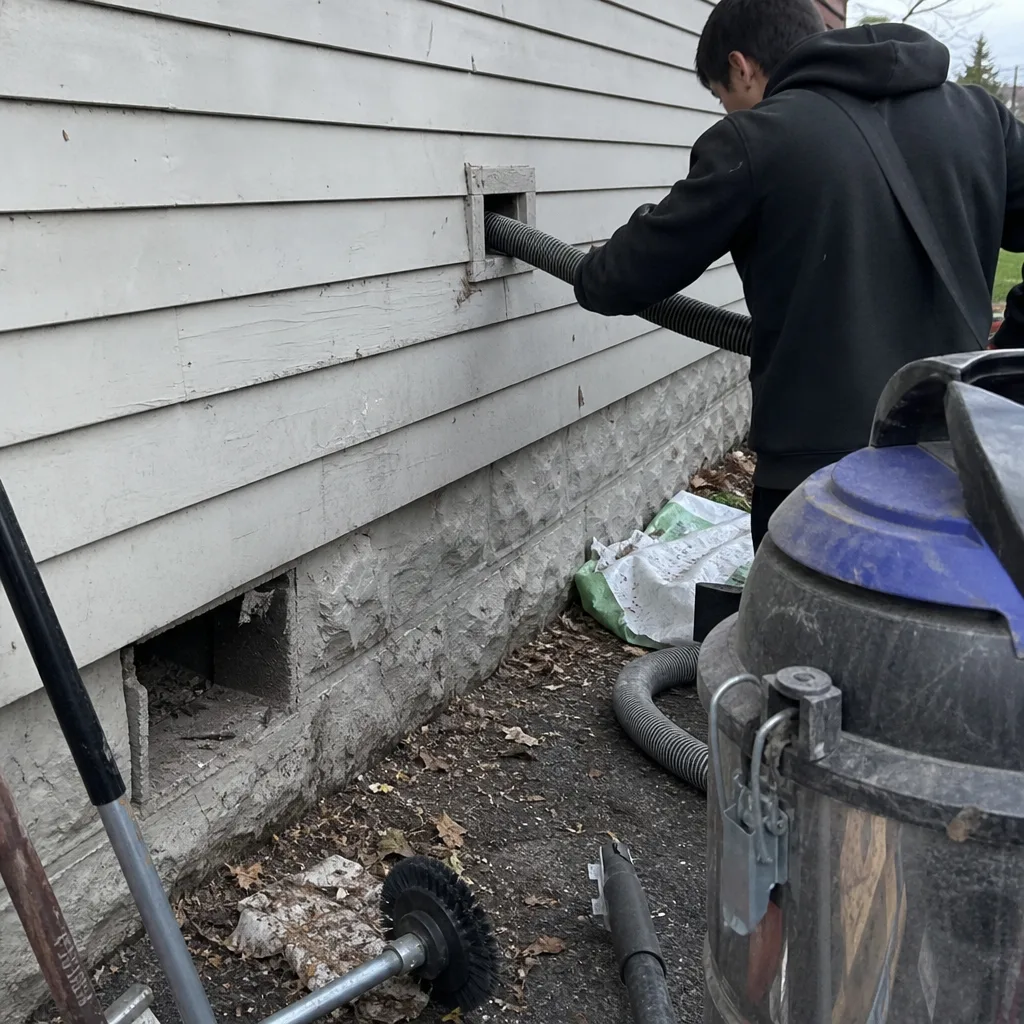 Before
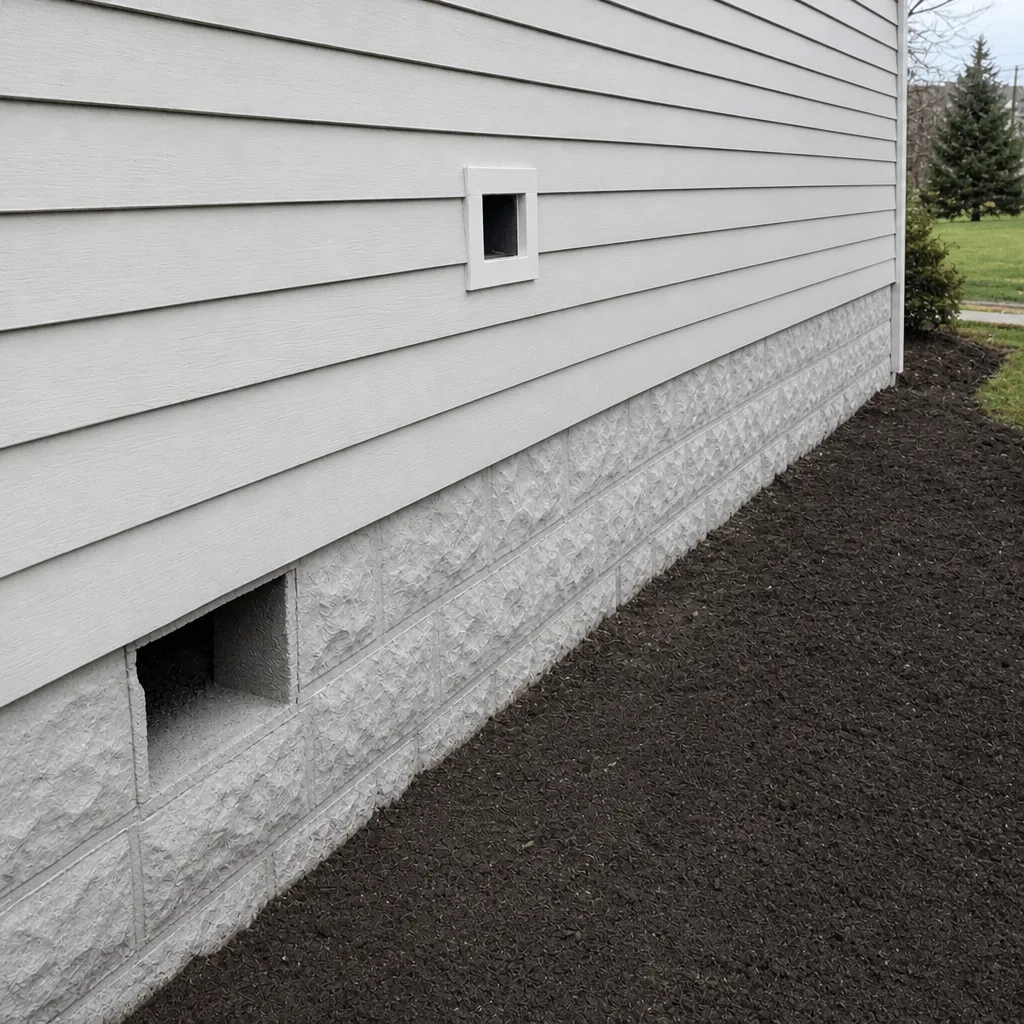 After
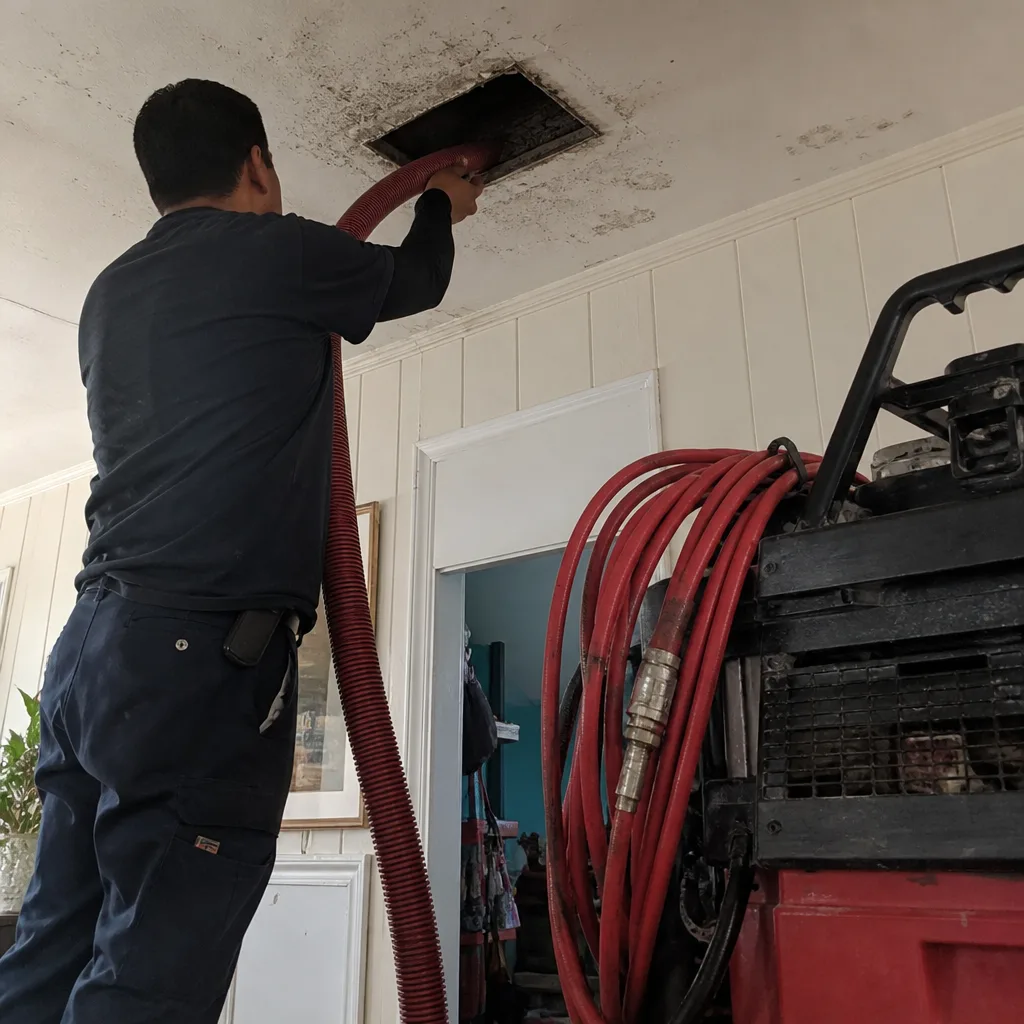 Before
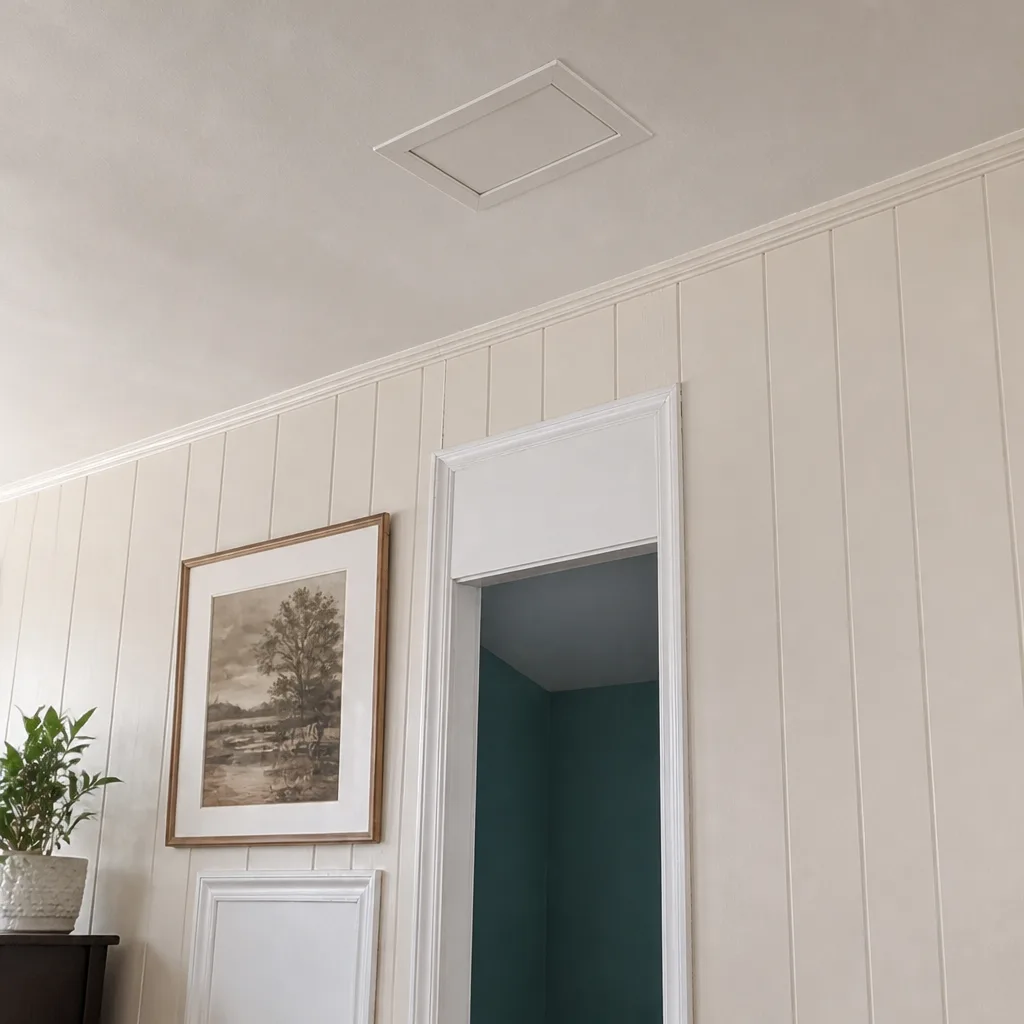 After
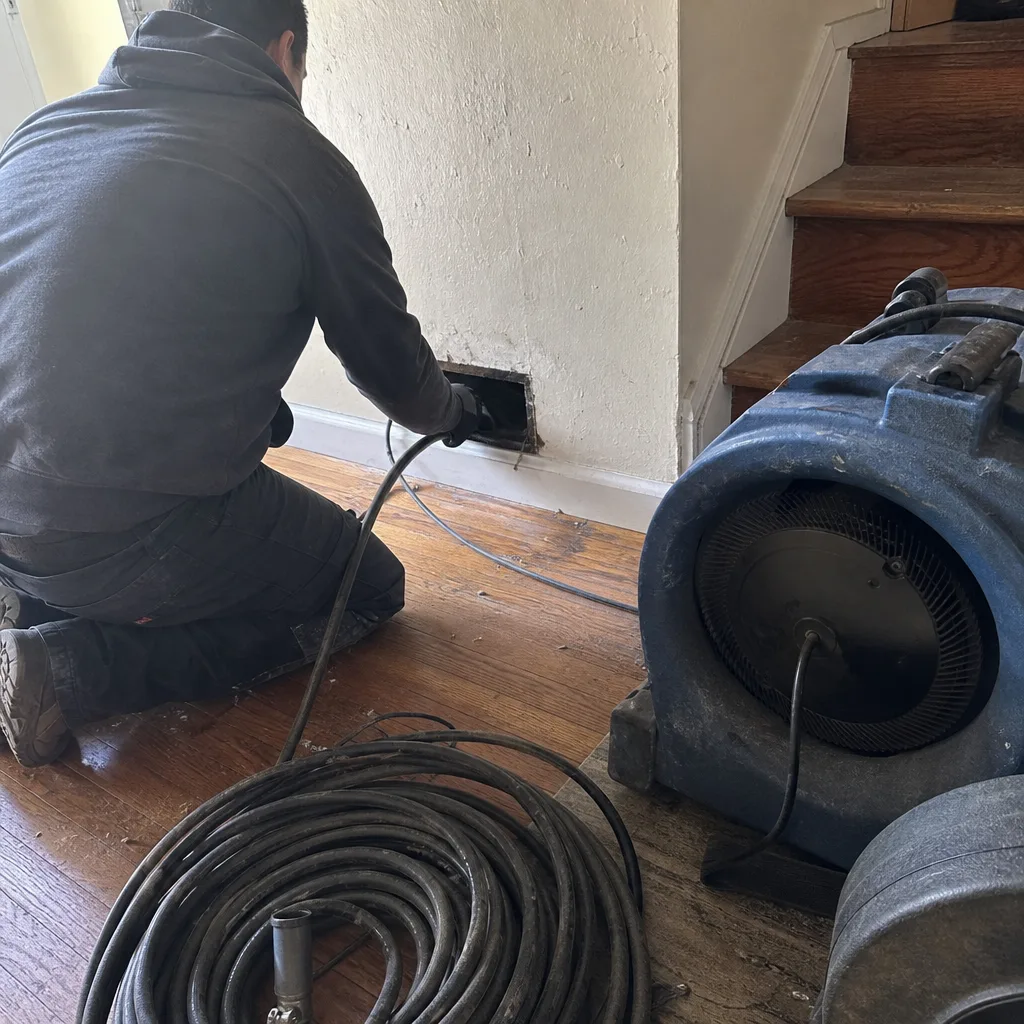 Before
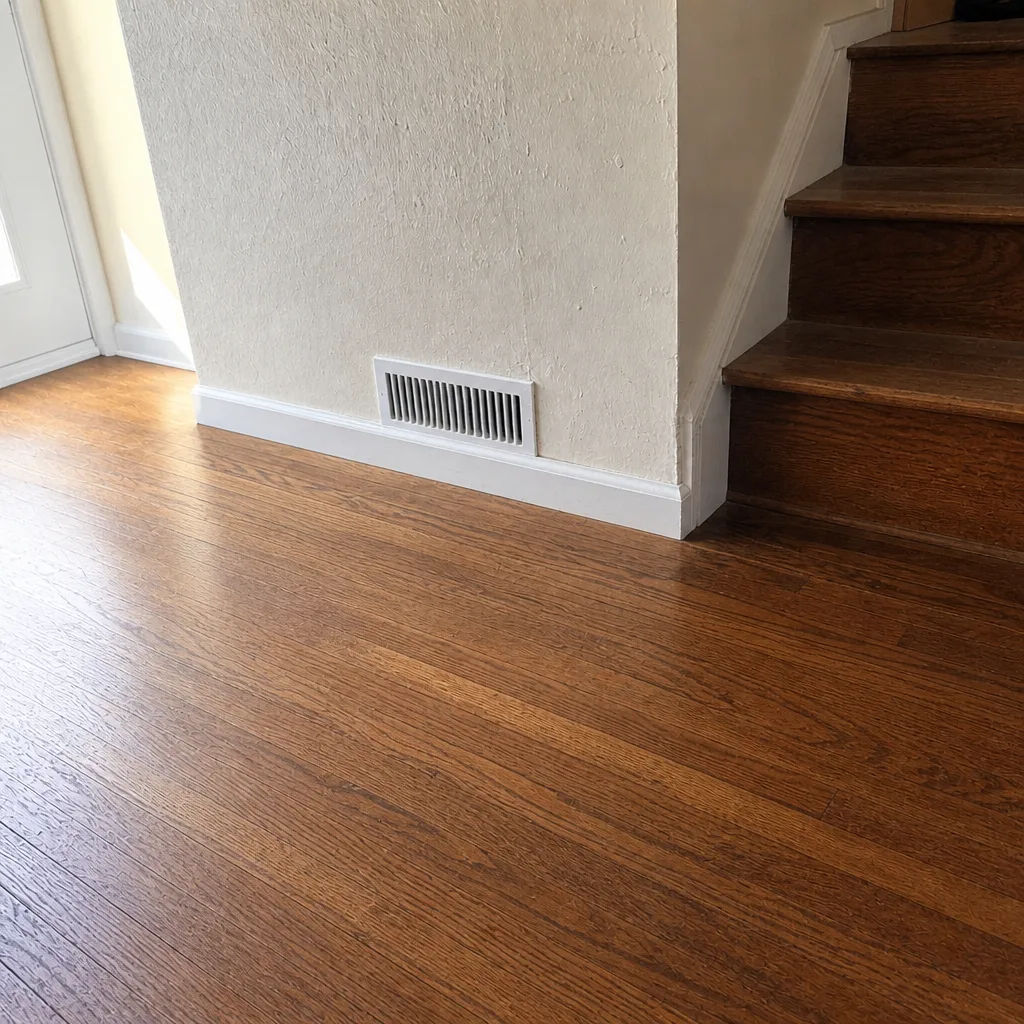 After
When to Call a Professional
Call a professional when your monthly and seasonal checks turn up something you can’t resolve by observation: a persistent odor, visible mold, a documented airflow drop, rodent evidence, or duct damage you can see. Call before you run the system again if you smell exhaust or burning. Call before a renovation, and again after the dust settles. Call when the dryer is taking noticeably longer than it used to. And call if your log shows it’s been a while since the last professional cleaning and your checks are showing the signs.
Air Duct Cleaning Throggs Neck offers free estimates in Throggs Neck. Call (866) 558-4773. We answer 24/7, with fast dispatch from 7am to 7pm, Sunday through Friday. The estimate is free, and the price is set by the written estimate before any work begins.
Frequently Asked Questions
Most Throggs Neck homes should have ducts professionally cleaned every two to three years, with more frequent service for homes near the Bruckner Expressway, homes with pets, and homes with anyone who has respiratory sensitivities. The checklist signals matter more than the interval: if your monthly checks are clean, you can wait longer. If you’re seeing discoloration or odor, don’t wait. Call (866) 558-4773 for a free estimate.
A MERV 11 pleated filter is a reasonable choice for homes in the high-particulate corridor near the Bruckner Expressway, provided your blower is rated for the pressure drop. MERV 8 is the safe baseline; MERV 13 and above is worth considering only when there’s a diagnosed respiratory condition in the home and the system is rated for it. Check monthly and replace on condition, not on the box’s interval.
Shine a light through the return grille into the duct throat. If you see a mat of lint, pet hair or settled debris on the duct floor rather than clean interior surface, the plenum is loading up. Professional inspection is the only reliable way to know how far the buildup extends, because most of the return run isn’t visible from the grille.
Dryer vent cleaning should run on its own schedule, checked each season and cleaned whenever the dryer takes noticeably longer to dry a load or the vent termination shows visible lint. It’s a separate system from your HVAC ducts, but it carries a fire risk that duct cleaning doesn’t, which is why we handle it as a distinct service.
No. A shop vac can reach the surface of the register opening but not the trunk lines, plenum or flex runs where the bulk of the debris settles. Worse, a shop vac can spread fine particulate back into the living space instead of extracting it. Professional equipment like Rotobrush and Nikro systems uses rotary agitation and high-volume negative pressure to reach and extract what a shop vac can’t.
Record filter changes with size and MERV rating, monthly observations with the specific register or room, seasonal inspection dates, professional service dates and findings, and any repairs or system changes. A written history helps future technicians diagnose faster and helps you avoid paying for service your system doesn’t need. Call (866) 558-4773 if you need a baseline inspection to start the log.
The Bottom Line
A duct maintenance checklist works because it turns a single annual phone call into a rhythm of small, observable checks throughout the year. Monthly: look at registers, smell at startup, peek at returns. Seasonally: inspect for rodent activity before heating season and for moisture before cooling season, and check the dryer vent. As needed: escalate to professional cleaning or repair when your observations show a change. Record all of it. In Throggs Neck, the homes that stay ahead of duct problems are the ones that watch for signals rather than waiting for a calendar date.
Written by the team at Air Duct Cleaning Throggs Neck.